As a well - established supplier of Auto Bracket Parts, I've had the privilege of being deeply involved in the automotive industry. Over the years, I've witnessed firsthand the widespread use of aftermarket auto bracket parts. While these parts offer certain advantages such as cost - effectiveness and wider availability, they also come with a set of limitations that every automotive enthusiast, mechanic, and vehicle owner should be aware of.
Quality and Durability Concerns
One of the most significant limitations of aftermarket auto bracket parts is the variability in quality. Unlike original equipment manufacturer (OEM) parts, which are produced under strict quality control standards set by the vehicle manufacturer, aftermarket parts can vary greatly in terms of the materials used and the manufacturing processes.
Many aftermarket bracket parts are made from lower - grade materials. For instance, instead of high - strength steel used in OEM brackets, some aftermarket alternatives may use mild steel or even substandard alloys. These inferior materials are more prone to corrosion, especially in harsh environmental conditions. Rust can weaken the bracket over time, leading to premature failure. A bracket that corrodes quickly may not be able to support the weight and stress it is designed for, which can pose a serious safety risk.
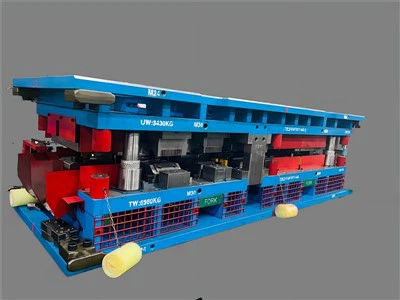
In addition to material quality, the manufacturing processes of aftermarket parts may also be less precise. OEM parts are often produced using advanced techniques like Progressive Die Manufacturing. Progressive die manufacturing allows for high - precision stamping, ensuring that each part is consistent in shape and size. Aftermarket manufacturers, on the other hand, may cut corners to reduce costs. They might use less sophisticated stamping methods or have looser tolerances in their production. This can result in parts that do not fit as accurately as OEM parts. A poorly - fitting bracket may not be able to properly secure the component it is meant to hold, leading to rattling, vibration, and potential damage to the connected parts.
Compatibility Issues
Another major limitation is compatibility. Automotive manufacturers design their vehicles with a specific set of parts in mind. OEM brackets are engineered to fit perfectly with the other components in the vehicle's system. Aftermarket parts, however, may not always be a perfect match.
There are two main types of compatibility issues. Firstly, there are physical compatibility problems. The shape, size, and mounting points of aftermarket brackets may not align precisely with the vehicle's existing structure. For example, a bracket that is supposed to hold an engine component may have holes that are slightly misaligned, making it difficult or impossible to install without modification. These modifications can be time - consuming and may require specialized tools and skills.


Secondly, there are functional compatibility issues. Some aftermarket brackets may not be designed to handle the same load or stress as the OEM parts. For example, a suspension bracket in a high - performance vehicle needs to withstand significant forces during cornering and braking. An aftermarket suspension bracket that is not designed to handle these forces may fail under normal driving conditions, leading to a loss of vehicle control.
Lack of Warranty and Support
When you purchase OEM auto bracket parts, you typically get a warranty from the vehicle manufacturer. This warranty provides peace of mind, as it covers any defects or failures that occur within a specified period. In contrast, many aftermarket parts come with limited or no warranty at all.
Even when an aftermarket supplier offers a warranty, the terms and conditions are often less favorable. The warranty period may be shorter, and the conditions for claiming the warranty may be more restrictive. For example, the supplier may require proof of proper installation and maintenance, which can be difficult for the vehicle owner to provide.
In addition to the lack of a comprehensive warranty, aftermarket suppliers may also offer limited technical support. OEM manufacturers have extensive resources and expertise to assist with any issues related to their parts. They can provide detailed installation instructions, troubleshooting guides, and access to technical experts. Aftermarket suppliers, on the other hand, may not have the same level of support. This can be a problem for vehicle owners and mechanics who encounter difficulties during the installation or use of aftermarket bracket parts.
Legal and Insurance Implications
Using aftermarket auto bracket parts can also have legal and insurance implications. In some regions, using non - OEM parts may void the vehicle's warranty. If a problem occurs with the vehicle and the manufacturer determines that the use of aftermarket parts contributed to the issue, they may refuse to cover the repair costs under the warranty.
Insurance companies may also take a dim view of aftermarket parts. In the event of an accident, an insurance adjuster may question the quality and safety of aftermarket brackets. If they believe that the use of these parts contributed to the severity of the damage or the risk of injury, they may reduce the claim amount or even deny the claim altogether.
Performance and Safety Risks
The limitations of aftermarket auto bracket parts can ultimately translate into performance and safety risks. As mentioned earlier, poorly - fitting or low - quality brackets can lead to rattling and vibration. These vibrations can not only be annoying but can also cause damage to other components over time. For example, a vibrating bracket in the exhaust system can loosen the connections, leading to exhaust leaks. Exhaust leaks are not only a nuisance due to the noise but can also be dangerous as they can release harmful gases into the vehicle's cabin.
In terms of safety, a failed bracket can have catastrophic consequences. A bracket that fails to hold a critical component such as the steering or braking system can lead to a loss of vehicle control, increasing the risk of an accident. For example, if a bracket that holds the brake lines fails, it can cause a sudden loss of braking power, putting the driver and passengers at serious risk.
Conclusion
Despite these limitations, aftermarket auto bracket parts still have their place in the automotive market. They can be a cost - effective alternative for some vehicle owners, especially those on a tight budget. However, it is crucial for consumers to be aware of the potential drawbacks before making a purchase.
As a supplier of Auto Bracket Parts, I understand the importance of providing high - quality products. We use advanced manufacturing techniques such as Steel sheet progressive die and Sheet Metal Progressive Tool to ensure the precision and durability of our parts. We also offer a comprehensive warranty and excellent technical support to our customers.
If you are in the market for auto bracket parts and want to avoid the limitations associated with many aftermarket products, I encourage you to contact us for a detailed discussion. We can provide you with the information you need to make an informed decision and ensure that you get the best - fitting and most reliable parts for your vehicle.
References
- "Automotive Parts Quality and Safety Standards", Automotive Industry Research Journal
- "The Impact of Aftermarket Parts on Vehicle Performance", Journal of Automotive Engineering
- "Legal and Insurance Considerations for Aftermarket Auto Parts", Auto Law Review