A washing machine is an indispensable appliance in modern households, streamlining the laundry process and saving us valuable time and effort. However, it can be incredibly frustrating when it suddenly stops working during a wash cycle. As a provider of washing machine dies, I've witnessed firsthand how various issues can lead to these malfunctions. In this blog, we'll explore the potential reasons behind a washing machine dying mid - cycle.
1. Electrical Problems
One of the most common culprits for a washing machine halting during a wash is electrical issues. The washing machine relies on a stable electrical supply to power its various components, such as the motor, control board, and heating element.

-
Power Surges: Power surges can occur due to lightning strikes, faulty electrical wiring in the house, or problems with the local power grid. A sudden surge of electricity can damage the sensitive electronic components of the washing machine, including the control board. The control board acts as the brain of the washing machine, coordinating all the functions. Once it's damaged, the machine may stop working abruptly. For example, if a lightning strike occurs nearby and the washing machine is not properly protected by a surge protector, the control board could be fried, leading to an untimely end of the wash cycle.
-
Faulty Wiring: Over time, the internal wiring of the washing machine can become frayed, loose, or corroded. This can disrupt the flow of electricity to different parts of the machine. A loose connection in the wiring that supplies power to the motor can cause the motor to stop working, and as a result, the washing machine will stop. Corrosion can also occur at the connection points, especially in areas with high humidity, which can increase the resistance in the electrical circuit and lead to component failure.
-
Blown Fuses or Tripped Circuit Breakers: A blown fuse or a tripped circuit breaker can cut off the power supply to the washing machine. If the washing machine draws too much current, perhaps due to a short - circuit in one of its components, the fuse will blow or the circuit breaker will trip as a safety measure. This sudden loss of power will cause the machine to stop in the middle of a wash cycle.
2. Mechanical Failures
The mechanical components of a washing machine are subjected to a great deal of stress and wear over time, and their failure can cause the machine to stop working.
- Motor Issues: The motor is responsible for powering the drum's rotation and the water pump. If the motor fails, the drum will stop spinning, and the water may not be pumped in or out of the machine. Motor failure can be due to overheating, which can occur if the machine is overloaded or if there is a problem with the motor's cooling system. Bearing wear is another common cause of motor problems. As the bearings wear out, they can cause excessive friction, which can eventually lead to motor failure.
- Belt Problems: Many washing machines use a belt to transfer power from the motor to the drum. If the belt breaks, becomes loose, or slips, the drum will not rotate properly. A loose belt may cause the drum to turn intermittently or not at all, and a broken belt will completely stop the drum's movement. This can be a result of normal wear and tear, or it can be caused by improper installation or overloading of the machine.
- Pump Blockages: The water pump is essential for draining the water from the washing machine during the spin cycle. If the pump becomes blocked with lint, coins, or other small objects, it may not be able to function properly. A blocked pump can cause water to remain in the machine, and the machine may sense this as an error and stop the cycle. In some cases, the blockage can also cause the pump motor to overheat and fail.
3. Sensor Malfunctions
Modern washing machines are equipped with a variety of sensors that monitor different aspects of the wash cycle, such as water level, temperature, and drum rotation. If these sensors malfunction, the machine may stop working.
- Water Level Sensors: These sensors ensure that the correct amount of water is present in the machine during the wash cycle. If a water level sensor fails, it may send incorrect signals to the control board. For example, it may indicate that the water level is too high or too low when it's actually at the correct level. This can cause the machine to stop filling or draining water, or it may even stop the entire cycle.
- Temperature Sensors: Temperature sensors are used to regulate the water temperature during the wash. If a temperature sensor malfunctions, the machine may not heat the water to the correct temperature, or it may overheat the water. In some cases, the control board may detect an abnormal temperature reading and stop the cycle to prevent damage to the machine or the clothes.
- Drum Rotation Sensors: These sensors monitor the speed and direction of the drum's rotation. If a drum rotation sensor fails, the machine may not be able to detect if the drum is spinning properly. This can lead to the machine stopping the cycle, as it may think there is a problem with the motor or the mechanical components.
4. Control Board Failures
The control board is the central processing unit of the washing machine, controlling all the functions and operations. A malfunctioning control board can cause the machine to stop working during a wash cycle.
- Software Glitches: Like any electronic device, the control board of a washing machine runs on software. Software glitches can occur due to bugs in the programming or interference from other electronic devices. These glitches can cause the control board to send incorrect commands to the various components of the machine, leading to a halt in the wash cycle.
- Hardware Damage: Physical damage to the control board, such as a cracked circuit board or a damaged component, can also cause it to malfunction. This can be due to manufacturing defects, power surges, or normal wear and tear over time. Once the control board is damaged, it may not be able to coordinate the functions of the washing machine properly, and the machine will stop working.
5. Overloading and Improper Use
Using the washing machine incorrectly can also lead to it dying during a wash cycle.
- Overloading: Putting too many clothes in the washing machine can put excessive stress on the motor and other mechanical components. The motor may struggle to rotate the overloaded drum, causing it to overheat and eventually fail. Overloading can also prevent the clothes from moving freely in the drum, which can lead to uneven washing and additional stress on the machine.
- Using the Wrong Detergent: Using the wrong type or too much detergent can cause excessive sudsing. Excessive suds can interfere with the normal operation of the machine, such as the water pump's ability to drain water. The machine may sense the excessive suds as an error and stop the cycle to prevent damage.
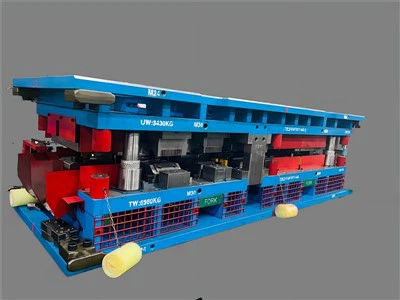
As a supplier of Progressive Die Metal Stamping, we understand the importance of high - quality components in ensuring the reliable operation of washing machines. Our dies are precision - engineered to produce parts that meet the highest standards of quality and durability. We also offer a range of dies for other home appliances, such as Microwave Oven Die and Gas Stove Die.
If you're in the market for high - quality washing machine dies or other home appliance dies, we encourage you to reach out to us for a procurement discussion. We're committed to providing our customers with the best products and services to meet their needs.
References
- Appliance Repair Manuals
- Manufacturer's Technical Documentation
- Industry Research on Home Appliance Failures