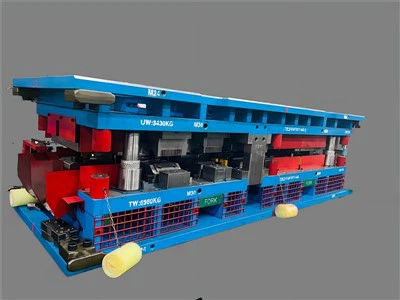
As a leading supplier of single casting dies, I've delved deep into the fascinating world of their electrical conductivity properties. In this blog, I'll share insights into what makes these dies unique in terms of electrical conductivity, and how these properties impact various applications.
Understanding Electrical Conductivity in Single Casting Dies
Electrical conductivity is a measure of a material's ability to conduct an electric current. In the context of single casting dies, this property is influenced by several factors, including the material composition, the manufacturing process, and the die's internal structure.
Material Composition
The choice of material for a single casting die plays a crucial role in determining its electrical conductivity. Most single casting dies are made from metals such as steel, aluminum, or copper alloys. Each of these materials has distinct electrical conductivity characteristics.
Steel is a commonly used material for single casting dies due to its high strength and durability. However, its electrical conductivity is relatively low compared to other metals. This is because steel contains a significant amount of iron, which has a relatively high electrical resistance. The presence of other alloying elements, such as carbon, chromium, and nickel, can further affect the electrical conductivity of steel.
Aluminum, on the other hand, is known for its excellent electrical conductivity. It has a much lower electrical resistance than steel, making it a popular choice for applications where high conductivity is required. Aluminum is also lightweight, which can be an advantage in certain applications. However, aluminum may not be as strong as steel, so it may not be suitable for high-stress applications.
Copper alloys are another option for single casting dies. Copper is one of the best conductors of electricity, and copper alloys can offer a good balance of electrical conductivity and mechanical properties. For example, brass, which is an alloy of copper and zinc, has relatively high electrical conductivity and is also corrosion-resistant.
Manufacturing Process
The manufacturing process of a single casting die can also impact its electrical conductivity. During the casting process, the molten metal is poured into a mold and allowed to solidify. The cooling rate and the solidification process can affect the internal structure of the die, which in turn can influence its electrical conductivity.
If the cooling rate is too fast, the metal may solidify with a fine-grained structure, which can increase its electrical resistance. On the other hand, a slower cooling rate can result in a coarser-grained structure, which may have better electrical conductivity. Additionally, any impurities or defects in the casting can also affect the electrical conductivity of the die.
Internal Structure
The internal structure of a single casting die, including the presence of pores, cracks, or inclusions, can have a significant impact on its electrical conductivity. Pores and cracks can act as barriers to the flow of electric current, increasing the electrical resistance of the die. Inclusions, which are foreign particles or substances within the metal, can also disrupt the flow of electrons and reduce the electrical conductivity.
To ensure good electrical conductivity, it is important to minimize the presence of pores, cracks, and inclusions in the single casting die. This can be achieved through proper casting techniques, such as using high-quality materials, controlling the pouring temperature and speed, and using appropriate mold designs.
Applications of Single Casting Dies Based on Electrical Conductivity
The electrical conductivity properties of single casting dies make them suitable for a wide range of applications. Here are some examples:
Electrical Components
Single casting dies with high electrical conductivity are often used in the manufacturing of electrical components, such as connectors, switches, and circuit boards. These components require good electrical conductivity to ensure efficient transfer of electrical signals and power. For example, copper alloy casting dies can be used to produce connectors that provide a reliable electrical connection between different parts of an electrical system.
Heat Sinks
In addition to electrical conductivity, single casting dies can also be used in applications where heat dissipation is important. Metals with high electrical conductivity, such as aluminum and copper, are also good conductors of heat. Therefore, single casting dies made from these materials can be used to manufacture heat sinks, which are devices used to transfer heat away from electronic components. Heat sinks help to prevent overheating and improve the performance and reliability of electronic devices.
Automotive Industry
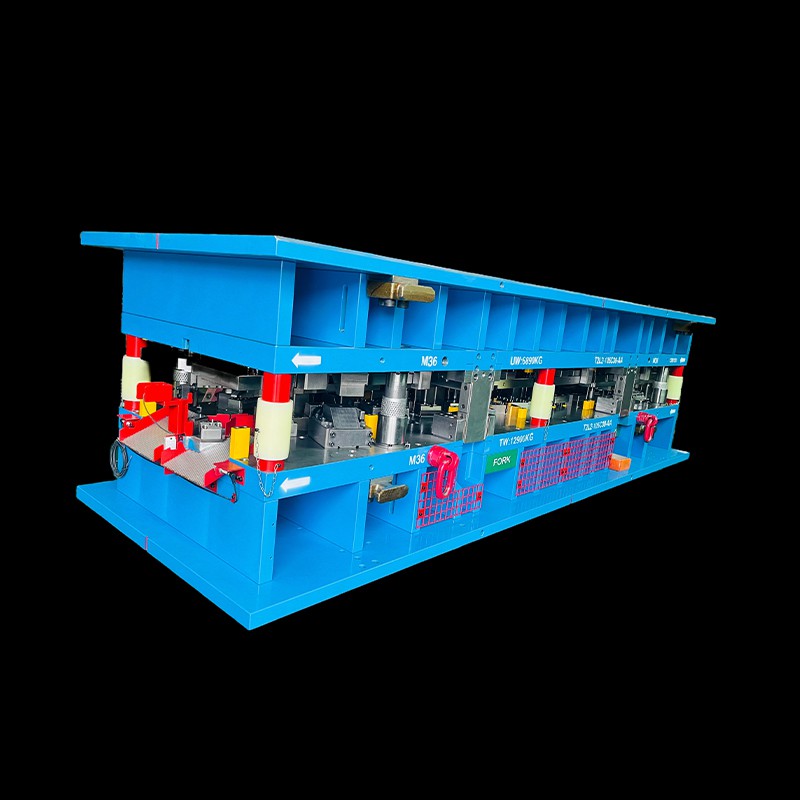
The automotive industry also makes use of single casting dies with specific electrical conductivity properties. For example, Automotive Progressive Die are used in the manufacturing of various automotive components, such as engine parts, transmission components, and body panels. These dies need to have good electrical conductivity to ensure proper functioning of the electrical systems in the vehicle. Additionally, Progressive Die Manufacturing techniques are often used to produce high-quality automotive dies with precise dimensions and good electrical conductivity.
Sheet Metal Stamping
Single casting dies are also widely used in sheet metal stamping processes. Sheet Metal Progressive Tool are used to cut, shape, and form sheet metal into various products. The electrical conductivity of the die can affect the quality of the stamped parts, as well as the efficiency of the stamping process. For example, a die with good electrical conductivity can help to reduce the heat generated during the stamping process, which can improve the tool life and the quality of the stamped parts.

Measuring and Testing Electrical Conductivity of Single Casting Dies
To ensure that single casting dies meet the required electrical conductivity specifications, it is important to measure and test their electrical conductivity. There are several methods available for measuring electrical conductivity, including:
Four-Point Probe Method
The four-point probe method is a commonly used technique for measuring the electrical conductivity of metals. In this method, four probes are placed on the surface of the die, and a current is passed through two of the probes. The voltage drop across the other two probes is then measured, and the electrical conductivity can be calculated using Ohm's law.
Eddy Current Testing
Eddy current testing is a non-destructive testing method that can be used to detect changes in the electrical conductivity of a material. In this method, an alternating current is passed through a coil, which generates an electromagnetic field. When the coil is placed near the surface of the die, eddy currents are induced in the material. The changes in the eddy currents can be detected and used to determine the electrical conductivity of the die.
Ultrasonic Testing
Ultrasonic testing is another non-destructive testing method that can be used to detect internal defects in a single casting die. Although it is not a direct method for measuring electrical conductivity, it can help to identify any defects or inclusions that may affect the electrical conductivity of the die.
Conclusion
The electrical conductivity properties of single casting dies are an important consideration in many applications. The material composition, manufacturing process, and internal structure of the die all play a role in determining its electrical conductivity. By understanding these factors and using appropriate testing methods, we can ensure that single casting dies meet the required electrical conductivity specifications.
As a single casting die supplier, we are committed to providing high-quality dies with excellent electrical conductivity properties. Our team of experts has extensive experience in the design and manufacturing of single casting dies, and we use the latest technologies and techniques to ensure that our dies meet the highest standards.
If you are in need of single casting dies for your specific application, we would be happy to discuss your requirements and provide you with a customized solution. Please feel free to contact us to start a conversation about your procurement needs. We look forward to working with you to meet your die-casting requirements.
References
- "Materials Science and Engineering: An Introduction" by William D. Callister Jr. and David G. Rethwisch
- "Electrical Conductivity of Metals" by John W. Lorrain and Dale R. Corson
- "Non-Destructive Testing Handbook" by Roger H. Stroud