Hey there! As a supplier in the gas stove industry, I often get asked the question: "Does a gas stove die if the pilot light goes out?" Well, let's dig into this topic and find out what's really going on.
First off, let's understand what a pilot light is. A pilot light is a small, continuously burning flame in a gas stove. Its main job is to ignite the gas when you turn on one of the burners. In the old - school gas stoves, this was the standard way of getting the burners to light up.
If the pilot light goes out, it doesn't necessarily mean that your gas stove is dead. In fact, there are a few different scenarios to consider.
Reasons Why the Pilot Light Might Go Out
There could be several reasons for a pilot light to go out. One common cause is a draft. If there's a strong draft in your kitchen, maybe from an open window or a powerful exhaust fan, it can blow out the pilot light. It's like trying to keep a candle lit in a windy room.
Another reason could be a blocked pilot orifice. Over time, dirt, debris, or even spider webs can find their way into the small opening where the gas comes out for the pilot light. When this happens, the gas flow is restricted, and the flame can't stay lit.
A faulty thermocouple can also be the culprit. The thermocouple is a safety device that senses the heat from the pilot light. If it doesn't detect the flame, it shuts off the gas supply to prevent gas from leaking into your kitchen. Sometimes, the thermocouple can get worn out or misaligned, causing it to think the pilot light is out even when it's not, or it can fail to keep the gas flowing when the pilot is actually lit.
What to Do When the Pilot Light Goes Out
If your pilot light goes out, the first thing you should do is make sure it's safe. Open a window to let in some fresh air, just in case there's any gas lingering. Then, follow the manufacturer's instructions for relighting the pilot light. Usually, this involves turning the gas control knob to the "pilot" position, pressing it down, and using a long - handled lighter or the built - in ignition button to light the pilot.
But if you're not comfortable doing this yourself, it's always a good idea to call a professional. They have the knowledge and tools to safely diagnose and fix the problem.
Modern Gas Stoves vs. Old - School Ones
These days, a lot of new gas stoves come with electronic ignition systems instead of traditional pilot lights. With an electronic ignition, you don't have a constantly burning flame. Instead, a spark is created when you turn on the burner to ignite the gas. This is more energy - efficient because you're not constantly using gas to keep a pilot light burning.
However, if you have an older gas stove with a pilot light, you might face the occasional issue of it going out. But don't worry, with a little maintenance and know - how, you can keep your stove running smoothly.
Our Role as a Gas Stove Die Supplier
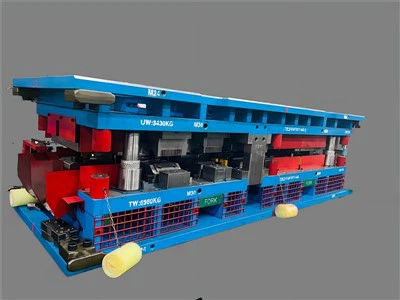
As a gas stove die supplier, we play a crucial role in the production of gas stoves. Our Progressive Die Tooling is used to create precise parts for gas stoves. These dies are essential for shaping the various components of the stove, from the burner plates to the control knobs.

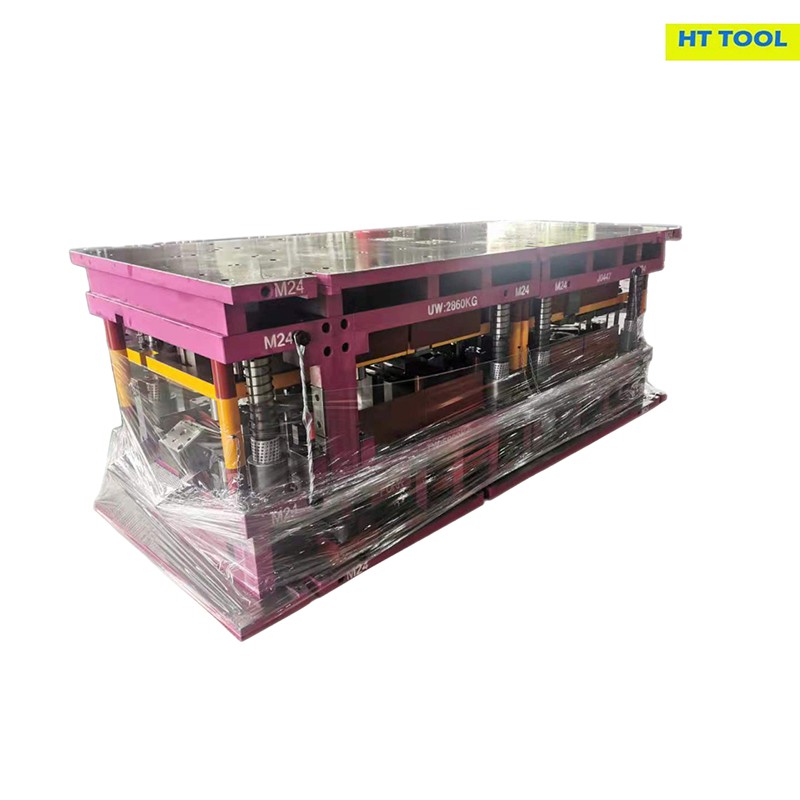
Our Progressive Die Metal Stamping process ensures that the parts are made with high accuracy and quality. This is important because even a small defect in a part can affect the performance of the gas stove, including the pilot light system.
We also offer Microwave Oven Die for those who are in the business of manufacturing microwave ovens. The technology and precision we use in making these dies are similar to what we apply in gas stove die production.
The Importance of Quality Dies in Gas Stove Production
Quality dies are the backbone of a well - functioning gas stove. When the parts are made with high - quality dies, they fit together perfectly. This means that the gas flow is regulated properly, and the ignition system, whether it's a pilot light or an electronic ignition, works as it should.
For example, a well - made burner plate ensures that the gas is distributed evenly across the burner, leading to a more consistent flame. And a precisely crafted control knob allows for easy and accurate adjustment of the flame size.
Encouraging Contact for Procurement
If you're in the business of manufacturing gas stoves or other home appliances, we'd love to hear from you. Our expertise in die - making can help you produce high - quality products that meet the needs of your customers. Whether you need a single die or a whole set for a new product line, we're here to provide you with the best solutions.
Contact us to start a discussion about your procurement needs. We're ready to work with you to ensure that your manufacturing process runs smoothly and efficiently.
References
- "Gas Appliance Service and Repair Manual" by Robert Shaw Controls Company
- Various gas stove manufacturer's manuals