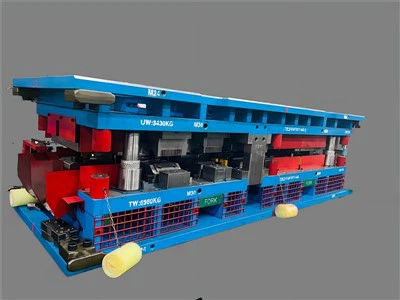
Hey there! As a supplier of Prototype Dies, I often get asked about the requirements for the hardness of these dies. It's a crucial aspect that can make or break the performance and longevity of the die. So, let's dive right in and explore what goes into determining the ideal hardness for a prototype die.
First off, what exactly is hardness in the context of a prototype die? Hardness refers to the die's ability to resist deformation, wear, and indentation. A die that's too soft will wear out quickly, leading to inaccurate parts and frequent replacements. On the other hand, a die that's too hard can become brittle and prone to cracking, which is also a major problem.
One of the key factors that influence the hardness requirements is the material being stamped. Different materials have different levels of hardness and abrasiveness. For example, if you're stamping a soft material like aluminum, you won't need a die that's as hard as one used for stamping high-strength steel. Aluminum is relatively easy to form, so a die with a moderate hardness can do the job effectively without excessive wear.
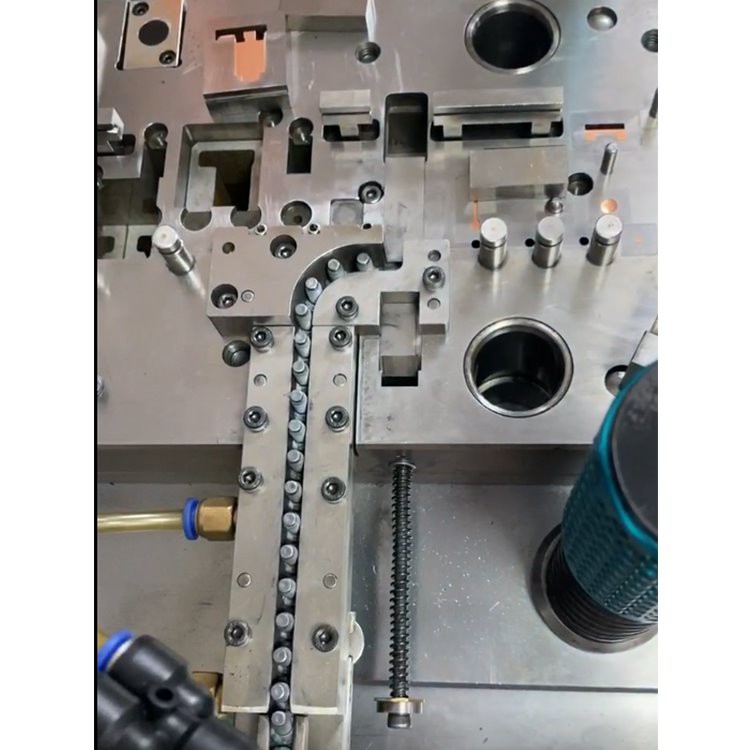

On the flip side, when stamping high-strength steel, you'll need a die with a much higher hardness. High-strength steel is extremely tough and abrasive, so the die needs to be able to withstand the intense forces and friction involved in the stamping process. A die with insufficient hardness will quickly wear down, resulting in poor part quality and increased production costs.
Another important consideration is the complexity of the part being stamped. If the part has intricate shapes or features, the die will experience more stress and wear in certain areas. In these cases, you may need to use a die with a higher hardness in those critical areas to ensure its durability. For instance, a die used to stamp a part with sharp corners or deep recesses will require a harder material to prevent chipping and cracking.
The production volume also plays a significant role in determining the hardness requirements. For low-volume production runs, a die with a relatively lower hardness may be sufficient. Since the die won't be used as frequently, it won't experience as much wear and tear. However, for high-volume production, a die with a higher hardness is essential to maintain its performance over an extended period.
Now, let's talk about the different types of materials commonly used for prototype dies and their hardness characteristics. Tool steels are a popular choice due to their excellent combination of hardness, toughness, and wear resistance. They can be heat-treated to achieve a wide range of hardness levels, making them suitable for various stamping applications.
For example, D2 tool steel is known for its high hardness and good wear resistance. It's often used for dies that require a long service life and can withstand heavy loads. On the other hand, A2 tool steel offers a good balance between hardness and toughness, making it a versatile option for many prototype die applications.
Another material option is carbide. Carbide is extremely hard and has excellent wear resistance, making it ideal for stamping hard and abrasive materials. However, it's also more brittle than tool steel, so it needs to be used with caution. Carbide dies are often used in high-volume production where the benefits of their superior hardness outweigh the risk of cracking.
In addition to the material itself, the heat treatment process also plays a crucial role in achieving the desired hardness. Heat treatment involves heating the die to a specific temperature and then cooling it at a controlled rate. This process can significantly alter the die's microstructure and properties, including its hardness.
The heat treatment process needs to be carefully controlled to ensure that the die reaches the desired hardness level without becoming too brittle. Overheating or rapid cooling can cause the die to crack or develop internal stresses, which can compromise its performance. That's why it's important to work with a reputable die manufacturer who has the expertise and experience to perform the heat treatment correctly.
So, how do you know if a prototype die has the right hardness? Well, there are several methods for testing the hardness of a die. One common method is the Rockwell hardness test, which measures the depth of indentation made by a diamond cone or a hardened steel ball under a specific load. The Rockwell hardness scale provides a numerical value that indicates the hardness of the material.
Another method is the Brinell hardness test, which uses a hardened steel ball to make an indentation in the material. The diameter of the indentation is then measured, and the Brinell hardness number is calculated based on the load and the diameter of the indentation.
In addition to these traditional hardness tests, there are also non-destructive testing methods available, such as ultrasonic testing and magnetic particle testing. These methods can be used to detect internal defects or changes in the material's properties without damaging the die.
As a Prototype Die supplier, we understand the importance of getting the hardness right. That's why we work closely with our customers to understand their specific requirements and recommend the most suitable materials and heat treatment processes. We use state-of-the-art equipment and techniques to ensure that our dies meet the highest quality standards and provide reliable performance.
If you're in the market for a Prototype Die, whether it's for a simple part or a complex stamping application, we're here to help. We offer a wide range of die materials and manufacturing options to meet your specific needs. Our team of experts can provide you with detailed technical advice and guidance to ensure that you get the best possible die for your project.
We also offer other types of dies, such as Punch Riveting Die and Metal Stamping Tool And Die. These dies are designed to provide high precision and reliability, making them ideal for a variety of stamping applications.
If you have any questions or would like to discuss your die requirements in more detail, please don't hesitate to get in touch. We're always happy to help and look forward to working with you to find the perfect solution for your stamping needs.
References
- ASM Handbook Volume 8: Mechanical Testing and Evaluation
- Tool and Manufacturing Engineers Handbook, Fourth Edition