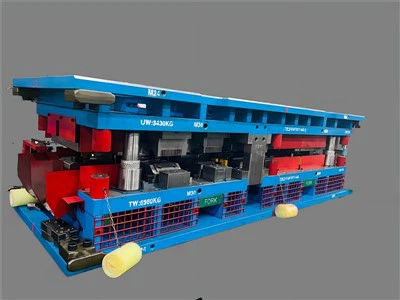
Hey there! As a supplier of checking fixtures, I've seen firsthand how crucial it is to protect these valuable tools during use. Checking fixtures are essential for ensuring the quality and accuracy of parts in various industries, from automotive to aerospace. But they're also pretty delicate and can easily get damaged if not handled properly. In this blog post, I'm gonna share some tips on how to protect a checking fixture from damage during use.
1. Proper Installation and Setup
The first step in protecting your checking fixture is to install and set it up correctly. This might sound like a no - brainer, but you'd be surprised how many issues can stem from a poor installation.
When you're installing the checking fixture, make sure the surface it's placed on is flat, stable, and clean. Any unevenness or debris on the surface can affect the accuracy of the fixture and even cause it to shift during use, leading to potential damage.
Also, follow the manufacturer's instructions carefully. If there are specific torque requirements for bolts or screws, don't just eyeball it. Use a torque wrench to ensure they're tightened to the right specifications. This will help keep the fixture in place and prevent loose parts from causing problems.
2. Operator Training
Your operators are the ones who'll be using the checking fixture on a daily basis, so it's super important to train them properly. A well - trained operator knows how to handle the fixture gently and avoid unnecessary rough handling.
Train them on the correct loading and unloading procedures for parts. For example, parts should be placed onto the fixture carefully, without slamming or dropping them. Any sudden impacts can damage the fixture's delicate measurement features or mounting points.


Teach them about the limits of the fixture. They should know the maximum weight, size, and shape of parts that the fixture can handle. Pushing the fixture beyond its capabilities is a surefire way to cause damage. You can also provide refresher courses from time to time to keep their skills sharp.
3. Routine Cleaning and Maintenance
Regular cleaning and maintenance are key to keeping your checking fixture in top shape. Dust, dirt, and debris can accumulate on the fixture over time, which can affect its accuracy and even cause mechanical parts to wear out faster.
Use the right cleaning tools and agents. Soft brushes and lint - free cloths are great for gently removing dust from the surface of the fixture. Avoid using abrasive materials that could scratch the precision surfaces of the fixture.
For more stubborn dirt or contaminants, you can use a mild cleaning solution. But make sure to dry the fixture thoroughly after cleaning to prevent rust or corrosion.
In addition to cleaning, perform routine maintenance tasks such as lubricating moving parts. Check the fixtures for any signs of wear or damage regularly, like loose screws, worn - out bearings, or scratches on the measurement surfaces. If you notice any issues, address them immediately. You can refer to the Checking Fixture Components page for more information on individual parts and their maintenance.
4. Environmental Considerations
The environment where the checking fixture is used can have a big impact on its lifespan. Extreme temperatures, humidity, and exposure to chemicals can all cause damage.
If possible, keep the checking fixture in a climate - controlled environment. High temperatures can cause the materials of the fixture to expand, which can affect its accuracy. Low temperatures, on the other hand, can make the materials more brittle and prone to cracking.
Humidity is another factor to watch out for. High humidity can lead to rust and corrosion, especially on metal parts of the fixture. You can use dehumidifiers in the workspace to keep the humidity levels in check.
Also, make sure the fixture is not exposed to chemicals or solvents that could damage its surface. If your operators need to use chemicals near the fixture, take extra precautions to protect it.
5. Use of Protective Accessories
There are plenty of protective accessories available that can help safeguard your checking fixture. For example, you can use covers to protect the fixture when it's not in use. Dust covers are simple yet effective in preventing dust and debris from settling on the fixture.
There are also custom - made protective guards that can be installed around the fixture to prevent accidental impacts. These guards can be made from materials like plastic or rubber and can absorb the shock of any minor collisions.
If your checking fixture has a lot of delicate measurement probes or sensors, you can use protective caps or sleeves to prevent them from getting damaged.
6. Avoid Overloading
As I mentioned earlier, it's crucial to stay within the fixture's load limits. Overloading the fixture can cause it to deform or break, and it will definitely affect its accuracy.
Before placing a part on the fixture, double - check the weight and size specifications. If you're dealing with a large or heavy part, consider whether the fixture can handle it. If not, you might need to use a different fixture or find a way to distribute the load more evenly.
7. Handling and Transport
When it comes to moving the checking fixture, whether it's within the factory or to a different location, take extra care. Use proper lifting equipment, like cranes or forklifts, and make sure the fixture is securely fastened during transport.
If you need to disassemble the fixture for transport, follow the manufacturer's instructions for disassembly and reassembly. Keep all the parts organized and labeled, so you can put it back together correctly.
8. Documentation and Monitoring
Keep a detailed record of the fixture's usage, maintenance, and any repairs. This documentation can help you track the fixture's history and identify any patterns of damage or wear.
You can also use monitoring systems, such as vibration sensors or temperature sensors, to keep an eye on the fixture's performance during use. If there are any abnormal readings, it could be a sign of a problem, and you can take action before it's too late.
Conclusion
Protecting a checking fixture from damage during use is a combination of proper installation, operator training, routine maintenance, and environmental control. By following these tips, you can extend the lifespan of your checking fixture, ensure its accuracy, and save money in the long run.
If you're in the market for high - quality Auto Checking Fixture or Automotive Checking Fixture, we're here to help. We've got a wide range of checking fixtures to meet your specific needs. If you have any questions or want to discuss your requirements, feel free to reach out to us for a procurement discussion. We're always happy to talk to potential customers and find the best solution for you.
References
- Manufacturer's manuals of checking fixtures
- Industry best practices for quality control and tool protection