Humidity, an often overlooked environmental factor, can have significant implications for auto seat parts. As a leading supplier of auto seat parts, I've witnessed firsthand how humidity can affect the quality, durability, and performance of these components. In this blog, I'll delve into the various effects of humidity on auto seat parts and explore how we, as a supplier, address these challenges to ensure the highest standards of product quality.
Impact on Material Integrity
One of the primary ways humidity affects auto seat parts is by compromising the integrity of the materials used in their construction. Many auto seat components are made from a variety of materials, including fabrics, foams, plastics, and metals. Each of these materials responds differently to changes in humidity, and prolonged exposure to high humidity levels can lead to a range of issues.
Fabric and Upholstery
Fabrics used in auto seat upholstery are particularly susceptible to the effects of humidity. High humidity can cause fabrics to absorb moisture, leading to swelling, wrinkling, and discoloration. This not only affects the aesthetic appeal of the seats but can also weaken the fabric fibers over time, making them more prone to tearing and fraying. Additionally, humid conditions can create a breeding ground for mold and mildew, which can not only damage the fabric but also pose a health risk to vehicle occupants.
Foam Padding
Foam padding is another critical component of auto seats, providing comfort and support. However, humidity can have a detrimental effect on foam materials. When exposed to high humidity, foam can absorb moisture, causing it to lose its shape and resilience. This can result in a sagging or flattened seat, reducing comfort and support for the driver and passengers. Moreover, the presence of moisture in the foam can promote the growth of bacteria and fungi, leading to unpleasant odors and potential health issues.
Plastics and Polymers
Many auto seat parts, such as seat frames, headrests, and armrests, are made from plastics and polymers. These materials are generally more resistant to moisture than fabrics and foams, but they can still be affected by high humidity. Prolonged exposure to humid conditions can cause plastics to become brittle and crack, compromising the structural integrity of the seat parts. Additionally, humidity can accelerate the degradation of certain polymers, leading to a loss of strength and durability over time.
Metals
Metals are commonly used in the construction of auto seat frames and mechanisms. While metals are generally more resistant to humidity than other materials, they are still susceptible to corrosion. When exposed to high humidity and oxygen, metals can undergo a chemical reaction known as oxidation, which can lead to the formation of rust. Rust not only weakens the metal structure but can also cause aesthetic damage to the seat parts. In severe cases, rust can compromise the safety of the seat, as it can affect the functionality of the seat's locking mechanisms and other critical components.
Impact on Manufacturing Processes
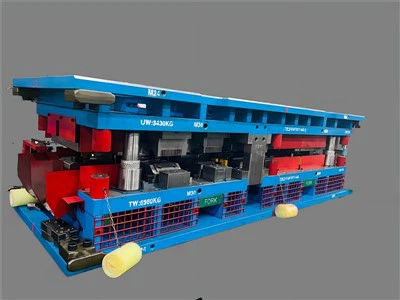
In addition to affecting the quality and durability of auto seat parts, humidity can also have a significant impact on the manufacturing processes involved in their production. As a supplier of auto seat parts, we rely on a variety of manufacturing techniques, including Progressive Die Manufacturing, Progressive Metal Stamping, and Steel sheet progressive die, to produce high-quality components efficiently. However, humidity can introduce challenges in these processes, affecting the accuracy and consistency of the finished products.
Die Cutting and Stamping
Progressive die manufacturing and metal stamping are common techniques used to cut and shape metal components for auto seats. These processes rely on precision dies and tools to create the desired shapes and dimensions. However, high humidity can cause the metal to expand and contract, leading to dimensional variations in the stamped parts. This can result in parts that do not fit properly or meet the required specifications, leading to production delays and increased costs.
Assembly and Finishing
Humidity can also affect the assembly and finishing processes of auto seat parts. For example, when assembling seat components, high humidity can make it difficult to apply adhesives and sealants effectively, leading to poor bonding and potential leaks. Additionally, humidity can affect the drying and curing times of paints and coatings, leading to uneven finishes and reduced durability.


Addressing the Challenges of Humidity
As a supplier of auto seat parts, we understand the importance of addressing the challenges posed by humidity to ensure the quality and reliability of our products. To mitigate the effects of humidity, we employ a range of strategies and technologies throughout the manufacturing process.
Environmental Control
One of the most effective ways to control the impact of humidity on auto seat parts is to maintain a controlled manufacturing environment. We invest in state-of-the-art climate control systems in our production facilities to regulate temperature and humidity levels. By keeping the humidity within a narrow range, we can minimize the effects of moisture on the materials and manufacturing processes, ensuring the consistency and quality of our products.
Material Selection and Treatment
Another key strategy is to carefully select materials that are resistant to humidity and treat them to enhance their durability. For example, we use moisture-resistant fabrics and foams in our seat upholstery and padding, which are less likely to absorb moisture and develop mold or mildew. Additionally, we apply protective coatings and treatments to metals and plastics to prevent corrosion and degradation.
Quality Control and Testing
To ensure the quality and reliability of our products, we implement a rigorous quality control and testing program. Our quality control team conducts regular inspections and tests throughout the manufacturing process to detect any signs of humidity-related issues. We use advanced testing equipment and techniques to measure the moisture content, dimensional accuracy, and mechanical properties of the seat parts, ensuring that they meet our strict quality standards.
Conclusion
In conclusion, humidity can have a significant impact on the quality, durability, and performance of auto seat parts. From compromising the integrity of materials to affecting the manufacturing processes, high humidity levels can pose a range of challenges for suppliers and manufacturers. However, by understanding the effects of humidity and implementing appropriate strategies and technologies, we can mitigate these challenges and ensure the production of high-quality auto seat parts that meet the needs and expectations of our customers.
If you're in the market for high-quality auto seat parts that are designed to withstand the challenges of humidity and other environmental factors, we'd love to hear from you. Our team of experts is dedicated to providing innovative solutions and exceptional customer service. Contact us today to discuss your requirements and learn more about how we can help you source the best auto seat parts for your vehicles.
References
- ASTM International. (2023). ASTM Standards Related to Humidity and Moisture Testing.
- Society of Automotive Engineers (SAE). (2023). SAE Standards for Automotive Seat Materials and Components.
- ISO 9001:2015. (2015). Quality Management Systems - Requirements.