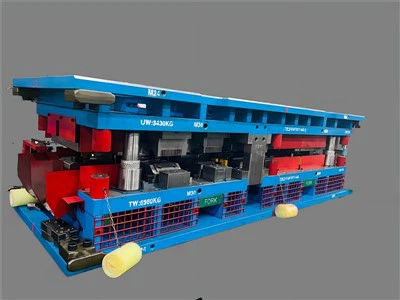
Determining the optimal stamping direction for a washer stamping die is a crucial step in the manufacturing process. As a washer stamping die supplier, we understand the significance of this decision and its impact on the quality, efficiency, and cost of production. In this blog post, we will explore the key factors to consider when determining the optimal stamping direction and provide practical tips to help you make informed decisions.
Understanding the Basics of Stamping Direction
The stamping direction refers to the orientation in which the die is positioned relative to the workpiece during the stamping process. It plays a vital role in ensuring proper material flow, minimizing scrap, and achieving the desired shape and dimensions of the washer. The choice of stamping direction depends on several factors, including the geometry of the washer, the material properties, the die design, and the production requirements.
Factors to Consider When Determining the Optimal Stamping Direction
1. Washer Geometry
The shape and size of the washer are the primary factors that influence the stamping direction. Complex geometries, such as washers with irregular shapes or multiple features, may require a specific stamping direction to ensure proper forming and avoid defects. For example, washers with asymmetrical shapes may need to be stamped in a direction that allows for uniform material distribution and prevents distortion.
2. Material Properties
The material properties of the washer, such as its thickness, hardness, and ductility, also affect the stamping direction. Different materials have different flow characteristics, and the stamping direction should be chosen to accommodate these properties. For instance, materials with high ductility can be stamped in a wider range of directions compared to brittle materials, which may require a more specific stamping direction to prevent cracking or fracturing.
3. Die Design
The design of the stamping die is another critical factor to consider. The die should be designed to optimize the stamping direction and ensure efficient material utilization. This includes features such as die clearance, punch and die profiles, and the arrangement of cutting and forming operations. A well-designed die can minimize scrap, improve the quality of the stamped washers, and reduce the overall production cost.
4. Production Requirements
The production requirements, such as the volume of production, the cycle time, and the quality standards, also play a role in determining the optimal stamping direction. High-volume production may require a stamping direction that allows for fast and efficient processing, while low-volume production may allow for more flexibility in the stamping direction. Additionally, strict quality standards may necessitate a specific stamping direction to ensure consistent quality and meet customer requirements.
Practical Tips for Determining the Optimal Stamping Direction
1. Conduct a Process Analysis
Before determining the stamping direction, it is essential to conduct a thorough process analysis. This involves evaluating the washer geometry, material properties, die design, and production requirements to identify the key factors that influence the stamping direction. By understanding these factors, you can make informed decisions and optimize the stamping process.
2. Use Simulation Tools
Simulation tools, such as finite element analysis (FEA), can be valuable in predicting the behavior of the material during the stamping process and determining the optimal stamping direction. These tools allow you to simulate different stamping scenarios and evaluate the impact of various factors on the quality and efficiency of the process. By using simulation tools, you can reduce the need for costly trial and error and make more accurate decisions.
3. Consult with Experts
If you are unsure about the optimal stamping direction for your washer stamping die, it is advisable to consult with experts in the field. Our team of experienced engineers and technicians at [Supplier Name] has extensive knowledge and expertise in washer stamping die design and manufacturing. We can provide you with valuable insights and recommendations based on your specific requirements and help you determine the best stamping direction for your application.


4. Consider Progressive Die Tooling
Progressive Die Tooling is a popular choice for high-volume washer stamping production. Progressive dies allow for multiple operations to be performed in a single pass, which can significantly improve the efficiency and productivity of the stamping process. When using progressive die tooling, the stamping direction should be carefully considered to ensure proper alignment and sequencing of the operations.
5. Evaluate Different Stamping Directions
In some cases, it may be beneficial to evaluate different stamping directions to determine the optimal one. This can involve conducting small-scale trials or using simulation tools to compare the performance of different stamping directions. By evaluating different options, you can identify the stamping direction that offers the best combination of quality, efficiency, and cost-effectiveness.
Conclusion
Determining the optimal stamping direction for a washer stamping die is a complex process that requires careful consideration of several factors. By understanding the basics of stamping direction, considering the key factors that influence it, and following the practical tips outlined in this blog post, you can make informed decisions and optimize the stamping process for your washer production. At [Supplier Name], we are committed to providing our customers with high-quality washer stamping dies and expert advice to help them achieve their production goals. If you have any questions or need assistance with determining the optimal stamping direction for your application, please [Contact Us] to discuss your requirements and explore how we can help you.
References
- [Book Title], Author, Publisher, Year
- [Journal Article Title], Author, Journal Name, Volume, Issue, Pages, Year
- [Website Title], Website URL, Accessed Date