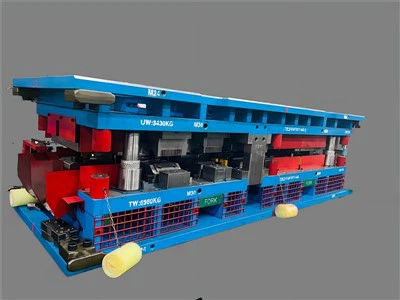
Hey there! As a punch riveting die supplier, I often get asked about the installation dimensions of punch riveting dies. It's a crucial topic, and in this blog, I'll break it down for you in a simple and easy - to - understand way.
First off, let's talk about why installation dimensions matter. When you're dealing with punch riveting dies, getting the dimensions right during installation is like setting the foundation for a building. If the dimensions are off, it can lead to a whole bunch of problems. The die might not fit properly in the press, which can cause uneven pressure distribution. This, in turn, can result in poor quality riveting, increased wear and tear on the die, and even potential damage to the press itself.
So, what are these installation dimensions? Well, there are a few key ones that you need to pay attention to.
1. Die Height
The die height is one of the most important installation dimensions. It's the vertical distance from the bottom of the die shoe to the top of the punch holder. This dimension needs to match the shut height of the press you're using. The shut height of a press is the distance between the top of the bolster plate and the bottom of the slide when the slide is at the bottom of its stroke.
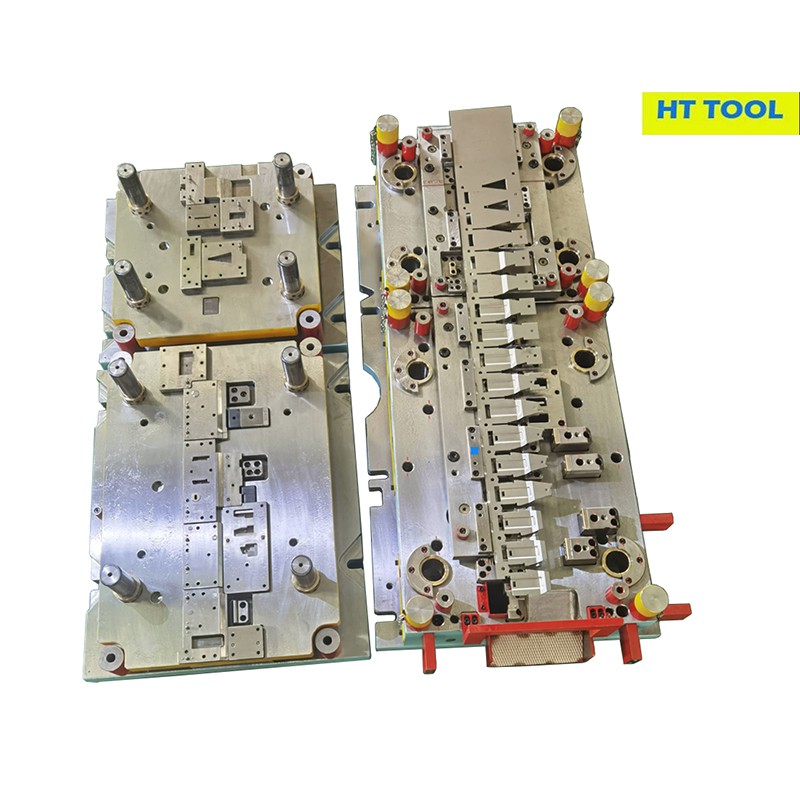

If the die height is too tall, the press might not be able to close fully, and you won't be able to get a proper riveting operation. On the other hand, if the die height is too short, the press might not apply enough force, leading to weak rivets.
2. Die Width and Length
The width and length of the die are also critical. These dimensions determine how the die will fit on the bolster plate of the press. The bolster plate is the flat surface on the press where the die is mounted. You need to make sure that the die's width and length are within the allowable range of the bolster plate.
If the die is too wide or too long, it won't fit properly on the bolster plate, and it might not be securely held in place. This can cause the die to shift during the riveting process, resulting in inaccurate rivet placement.
3. Hole Spacing and Size
Most punch riveting dies have holes for mounting bolts or other fasteners. The spacing and size of these holes are important installation dimensions. The hole spacing needs to match the pattern on the bolster plate of the press. If the hole spacing is off, you won't be able to align the die properly with the press and secure it in place.
The size of the holes also matters. The bolts or fasteners you use need to fit snugly in the holes. If the holes are too big, the fasteners might not hold the die tightly, and it could come loose during operation.
Customization of Installation Dimensions
At our company, we understand that every customer's needs are different. That's why we offer customization of installation dimensions for our punch riveting dies. Whether you have a unique press with specific shut height requirements or a special bolster plate with a non - standard hole pattern, we can design and manufacture a die that fits your needs perfectly.
For example, if you're in the furniture hardware industry, we have Furniture Hardware Stamping Die options that can be customized in terms of installation dimensions. These dies are designed to handle the specific requirements of furniture hardware production, such as different rivet sizes and shapes.
If you're into progressive tool sheet metal work, our Progressive Tool Sheet Metal dies can be tailored to fit your presses. Progressive dies are used for complex stamping operations, and getting the installation dimensions right is crucial for smooth and efficient production.
And for general metal stamping, our Metal Stamping Tool And Die products can be customized according to your press specifications. This ensures that you get the best performance out of your stamping and riveting operations.
Measuring and Verifying Installation Dimensions
Before installing a punch riveting die, it's essential to measure and verify all the installation dimensions. You can use precision measuring tools like calipers, micrometers, and height gauges. Make sure to double - check the dimensions against the press manufacturer's specifications.
It's also a good idea to do a dry run of the installation without fully tightening the fasteners. This allows you to make any necessary adjustments and ensure that the die fits properly and operates smoothly.
Installation Process
Once you've verified the installation dimensions, the actual installation process can begin. First, clean the bolster plate of the press to remove any dirt, debris, or oil. Then, place the die on the bolster plate and align it using the mounting holes. Insert the bolts or fasteners and tighten them gradually in a criss - cross pattern to ensure even pressure distribution.
After the die is installed, perform a test run with a few sample parts. Check the quality of the riveting, the alignment of the rivets, and the overall operation of the die. If there are any issues, make the necessary adjustments to the die or the press settings.
Conclusion
In conclusion, the installation dimensions of a punch riveting die are crucial for its proper operation and the quality of the riveting process. By paying attention to the die height, width, length, hole spacing, and size, you can ensure a successful installation.
At our company, we're committed to providing high - quality punch riveting dies with customizable installation dimensions. Whether you're in the furniture hardware, progressive tool sheet metal, or general metal stamping industry, we have the solutions for you.
If you're interested in our punch riveting dies or have any questions about installation dimensions, feel free to reach out to us for a purchase negotiation. We're here to help you get the most out of your stamping and riveting operations.
References
- "Metal Stamping Handbook" by George E. Dieter
- "Press Working of Metals" by G. H. Harrison