As a turned parts supplier, ensuring the quality of our products during transportation is of utmost importance. Turned parts are widely used in various industries, and any damage or quality issues during transit can lead to significant losses for both us and our customers. In this blog, I will discuss the quality control measures we implement during the transportation of turned parts.
Pre - transportation Quality Checks
Before the turned parts are loaded onto the transportation vehicle, a series of strict quality checks are carried out. First, we visually inspect each part for any obvious defects such as scratches, cracks, or deformities. Our experienced quality control team uses high - precision measuring tools like micrometers, calipers, and gauges to verify that the dimensions of the turned parts meet the specified tolerances.
For example, if we are supplying CNC Precision Machined Parts, which require extremely accurate dimensions, the tolerance can be as low as a few micrometers. Any part that fails to meet these tight tolerances is immediately removed from the batch.
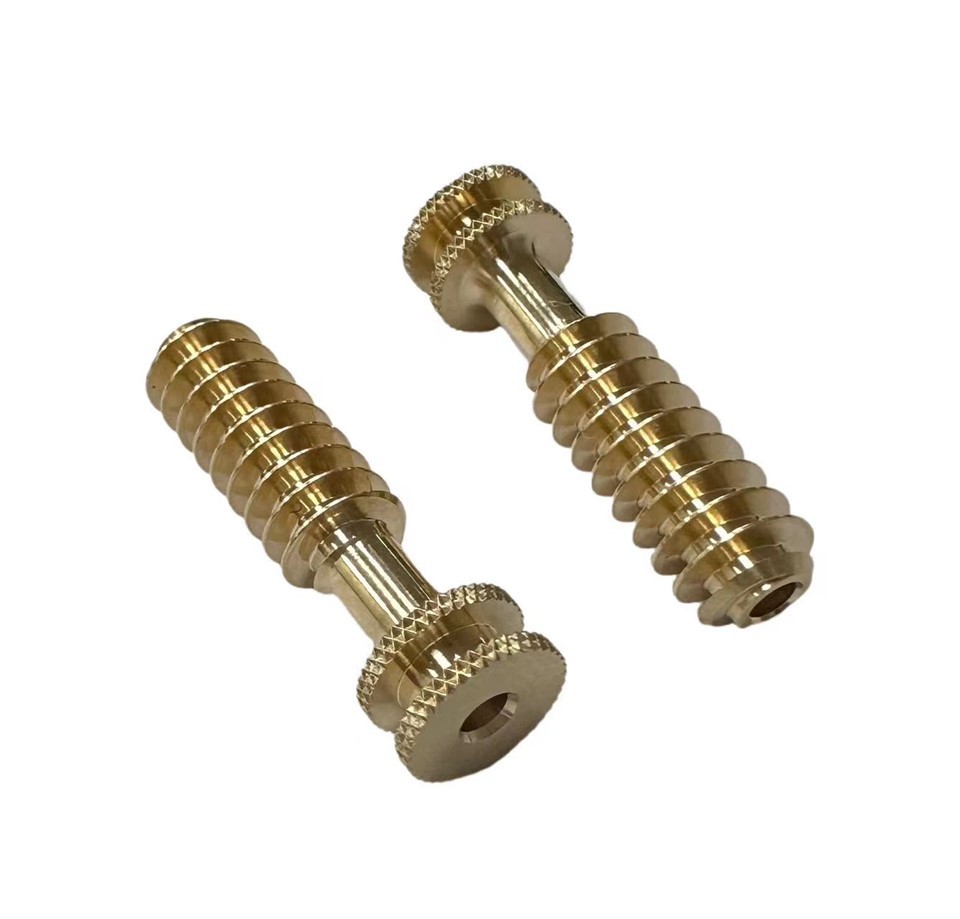
We also conduct material inspections. For Aluminum Machining Component and Brass Parts, we use spectroscopic analysis to confirm the chemical composition of the materials. This helps us ensure that the parts are made from the correct alloys and have the desired mechanical properties.
Packaging for Protection
Proper packaging is a crucial step in preventing damage during transportation. We use different packaging materials depending on the nature of the turned parts. For small and delicate parts, we often use foam - lined boxes or plastic trays with individual compartments. This helps to isolate each part and prevent them from rubbing against each other, which could cause scratches or dents.
For larger turned parts, we use wooden crates or metal containers. These containers are designed to be sturdy and can withstand the rigors of transportation. We also add cushioning materials such as bubble wrap or rubber pads inside the containers to absorb shocks and vibrations.
In addition to physical protection, we also pay attention to environmental protection. For parts that are sensitive to moisture, we use moisture - proof packaging materials. We may also add desiccants to the packaging to keep the humidity level low and prevent rust or corrosion.
Selection of Transportation Modes
The choice of transportation mode can significantly affect the quality of turned parts during transit. We carefully evaluate different options based on the distance, quantity, and nature of the parts.
For short - distance transportation, we often use trucks. Trucks offer more flexibility in terms of pick - up and delivery times. We work with reliable trucking companies that have a good track record in handling delicate cargo. The trucks are equipped with shock - absorbing systems to minimize the impact of bumps on the road.
For long - distance and international shipments, we may choose air freight or sea freight. Air freight is faster and generally has fewer handling steps, which reduces the risk of damage. However, it is more expensive. Sea freight is more cost - effective for large - volume shipments. When using sea freight, we make sure to choose shipping lines that have proper storage facilities on board to protect the parts from rough seas and adverse weather conditions.
Monitoring during Transportation
Once the turned parts are on the move, we implement monitoring measures to keep track of their condition. For high - value or critical parts, we use GPS tracking devices to monitor the location and movement of the shipment in real - time. This allows us to quickly respond in case of any unexpected delays or deviations from the planned route.
We also use sensors to monitor environmental conditions such as temperature, humidity, and shock levels. For example, if a shipment of parts is sensitive to temperature changes, the sensors can alert us if the temperature inside the container goes outside the acceptable range. In such cases, we can take immediate action, such as adjusting the ventilation or insulation of the container.
Post - transportation Quality Checks
When the turned parts reach their destination, we conduct another round of quality checks. Our customers are also encouraged to inspect the parts upon receipt. If any quality issues are found, we have a well - established return and replacement policy.

We analyze the data collected during the transportation process, including the monitoring results and any damage reports. This helps us identify potential problems in our quality control measures and make necessary improvements. For example, if we notice that a particular type of packaging is not providing sufficient protection during a certain transportation mode, we will modify the packaging design.
Collaboration with Logistics Partners
We understand that quality control during transportation is a collective effort. We work closely with our logistics partners, including shipping companies, trucking firms, and freight forwarders. We provide them with detailed instructions on how to handle our turned parts, including information on proper loading, unloading, and storage procedures.
We also conduct regular audits of our logistics partners to ensure that they are following our quality standards. By building strong partnerships, we can improve the overall quality control of the transportation process.
Continuous Improvement
The field of turned parts transportation is constantly evolving, and we are committed to continuous improvement. We stay updated with the latest technologies and best practices in quality control. For example, we are exploring the use of new packaging materials that are more environmentally friendly and offer better protection.
We also encourage feedback from our customers. Their insights are invaluable in helping us identify areas for improvement. By continuously refining our quality control measures, we can ensure that our turned parts reach our customers in the best possible condition.
Conclusion
Quality control during the transportation of turned parts is a comprehensive process that involves pre - transportation checks, proper packaging, careful selection of transportation modes, monitoring during transit, post - transportation checks, collaboration with logistics partners, and continuous improvement. As a turned parts supplier, we are dedicated to providing high - quality products to our customers, and strict quality control during transportation is an essential part of achieving this goal.
If you are interested in our turned parts and would like to discuss a potential purchase, we welcome you to contact us. We look forward to the opportunity to serve you and provide you with the best - quality turned parts.
References
- ASTM International Standards on Packaging and Transportation of Precision Parts
- ISO Standards for Quality Management in the Manufacturing and Transportation of Metal Components
- Industry reports on Best Practices in Logistics and Quality Control for Machined Parts