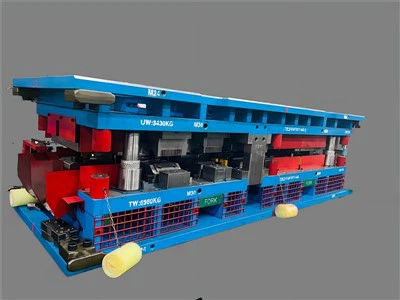
Hey there! As a punch riveting die supplier, I often get asked about the materials commonly used to make these dies. Well, let's dive right into it and explore the different materials that play a crucial role in the world of punch riveting dies.
Tool Steel
Tool steel is hands down one of the most popular materials for making punch riveting dies. It's got some amazing properties that make it a top choice. First off, tool steel is incredibly hard. This hardness allows the die to withstand the high pressures and forces that come with the punch riveting process. When you're punching and riveting metal sheets, there's a lot of stress on the die, and tool steel can handle it like a champ.
Another great thing about tool steel is its wear resistance. Over time, the die is going to come into contact with the metal being riveted, and there's bound to be some friction and wear. Tool steel's wear resistance means that it can maintain its shape and sharpness for a longer period, which is super important for getting consistent and high - quality riveting results.
There are different types of tool steel, such as D2, A2, and H13. D2 tool steel is known for its high carbon and chromium content, which gives it excellent wear resistance and toughness. It's often used for dies that need to last a long time and can handle heavy - duty riveting jobs. A2 tool steel, on the other hand, offers a good balance between hardness and toughness. It's easier to machine compared to some other tool steels, which can be a big advantage when it comes to manufacturing the dies. H13 tool steel is great for applications where heat resistance is important. In high - speed punch riveting operations, the die can generate a lot of heat, and H13 can withstand these elevated temperatures without losing its properties.
Carbide
Carbide is another material that's commonly used in punch riveting dies, especially for more demanding applications. Carbide is extremely hard, even harder than most tool steels. This means that it can handle very high - precision riveting jobs with ease. When you need to make small, accurate rivets in thin metal sheets, carbide dies are often the way to go.
One of the key benefits of carbide is its superior wear resistance. It can last much longer than tool steel in certain applications, which can lead to significant cost savings in the long run. Since carbide dies don't need to be replaced as often, you can reduce downtime and increase productivity.
However, carbide does have its drawbacks. It's more expensive than tool steel, and it can be more difficult to machine. The manufacturing process for carbide dies requires specialized equipment and expertise. But if you're looking for the ultimate in precision and durability, carbide might be worth the investment.
High - Speed Steel (HSS)
High - speed steel is also a common choice for punch riveting dies. As the name suggests, HSS is designed to work at high speeds. It has good red hardness, which means it can maintain its hardness even at elevated temperatures. This is really important in high - speed punch riveting operations, where the die can heat up quickly.
HSS is relatively easy to machine compared to carbide, which makes it a popular option for die manufacturers. It's also more affordable than carbide, making it a good choice for applications where cost is a major consideration. While it may not have the same level of wear resistance as carbide, it still offers decent performance for many punch riveting jobs.
Stainless Steel
Stainless steel is sometimes used for punch riveting dies, especially in applications where corrosion resistance is a concern. If the riveting process involves working with materials that are prone to corrosion or in environments where the die will be exposed to moisture or chemicals, stainless steel can be a great option.
Stainless steel has good toughness and can withstand the forces involved in punch riveting. It's also relatively easy to clean and maintain, which is an added bonus. However, its hardness and wear resistance are generally not as high as tool steel or carbide, so it may not be suitable for heavy - duty or high - precision riveting jobs.
Composite Materials
In recent years, composite materials have started to gain some popularity in the world of punch riveting dies. These materials are made by combining different types of materials to get the best of both worlds. For example, a composite die might have a hard outer layer for wear resistance and a more flexible inner layer for shock absorption.
Composite materials can offer unique properties that traditional materials may not have. They can be customized to meet specific requirements, such as reducing weight or improving vibration dampening. However, they are still relatively new in the market, and more research and development are needed to fully understand their long - term performance.
When it comes to choosing the right material for a punch riveting die, there are several factors to consider. The type of metal being riveted, the thickness of the metal, the required precision of the riveting, the production volume, and the budget all play a role in the decision - making process.
As a punch riveting die supplier, I've seen firsthand how the choice of material can make a big difference in the performance and lifespan of the die. Whether you're in the furniture hardware industry, where Furniture Hardware Stamping Die are often used, or in a high - speed production environment that requires Progressive Tool Sheet Metal or high speed stamping die, we can help you find the perfect die material for your needs.
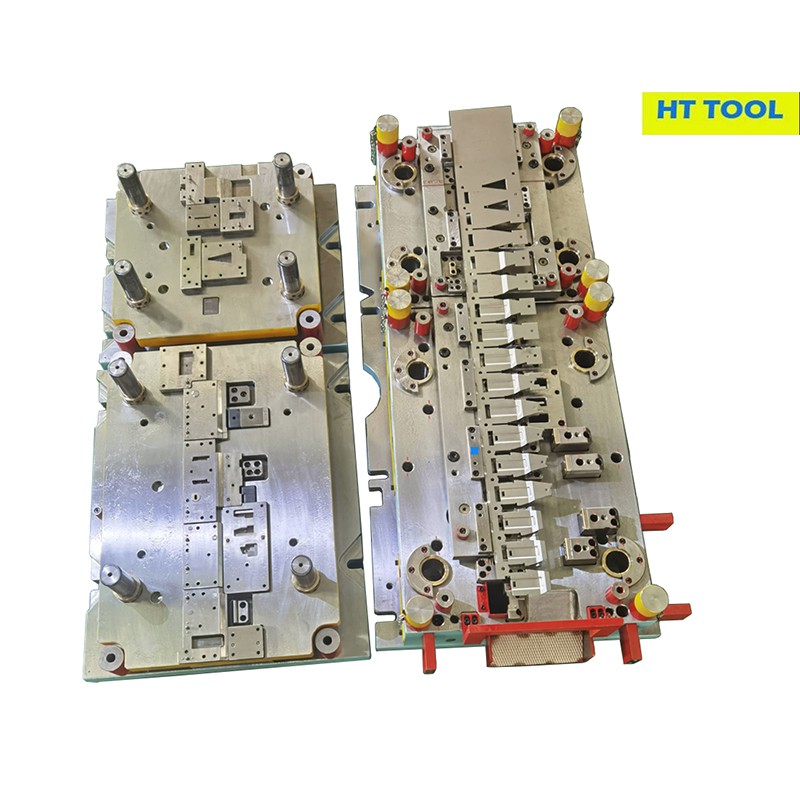

If you're in the market for punch riveting dies or have any questions about the materials used to make them, don't hesitate to reach out. We're here to help you make the right choice and ensure that your riveting operations run smoothly and efficiently.
References
- "Tool and Die Materials Handbook" by ASM International
- "Metal Forming Handbook" by Society of Manufacturing Engineers
- Industry reports on punch riveting die materials from leading research firms