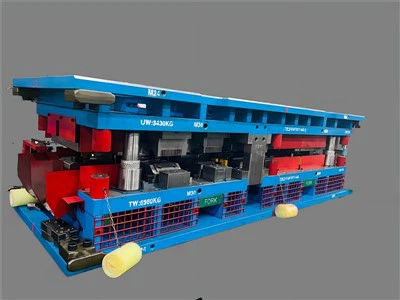
Hey there! As a supplier in the high-speed stamping game, I've seen firsthand the ins and outs of the costs associated with high-speed stamping tooling. In this blog, I'll break down these costs and give you a clear picture of what you're getting into when you're looking at high-speed stamping for your projects.
Initial Tooling Design and Fabrication Costs
The first big chunk of costs comes from the initial design and fabrication of the stamping tools. Designing a high-speed stamping tool isn't a walk in the park. It requires a team of experts who understand the intricacies of metal stamping, the properties of different metals, and the specific requirements of your project.


We need to consider factors like the shape and size of the part you want to stamp, the material it's made of, and the production volume. All these details go into creating a design that will work efficiently at high speeds. This design phase can take some time and resources, which is reflected in the cost.
Once the design is finalized, it's time for fabrication. High-speed stamping tools are usually made from high-quality materials like tool steel, which can withstand the high pressures and rapid movements involved in the stamping process. The fabrication process involves precision machining, heat treatment, and surface finishing to ensure the tool meets the exact specifications.
For example, if you're looking for a Metal Stamping Tool And Die, the cost will depend on its complexity. A simple die for a small, flat part will be less expensive than a complex die for a multi-layered or irregularly shaped part. The same goes for Progressive Tool Sheet Metal tools. Progressive dies are designed to perform multiple operations in a single pass, which requires more advanced design and fabrication techniques, thus increasing the cost.
Material Costs
The material used in the stamping process is another significant cost factor. Different metals have different properties and prices. For high-speed stamping, we often use metals like steel, aluminum, and brass.
Steel is a popular choice because it's strong and durable, but it can also be relatively expensive, especially if you need a high-grade steel for a demanding application. Aluminum, on the other hand, is lightweight and corrosion-resistant, making it suitable for many industries. However, its price can fluctuate depending on market conditions. Brass is known for its good conductivity and aesthetic appeal, but it can also come with a higher price tag.
The thickness and quality of the metal also play a role in the cost. Thicker metals require more force to stamp, which can put more stress on the tooling and increase the energy consumption. Higher-quality metals usually have fewer impurities, which can result in a better finish and fewer defects, but they also cost more.
Operating Costs
Once the tooling is in place and the stamping process is up and running, there are still ongoing operating costs to consider. One of the biggest operating costs is energy consumption. High-speed stamping machines require a lot of power to operate at high speeds. The more powerful the machine, the more electricity it will use, which can add up over time.
Maintenance is another important operating cost. High-speed stamping tools are subject to wear and tear due to the high pressures and rapid movements. Regular maintenance is essential to keep the tools in good working condition and prevent breakdowns. This includes tasks like lubrication, inspection, and replacement of worn parts.
For instance, a high speed stamping die may need to have its cutting edges sharpened or its springs replaced periodically. Failure to perform proper maintenance can lead to decreased productivity, increased scrap rates, and even damage to the tooling or the stamping machine.
Labor Costs
Labor costs are also a significant part of the overall cost of high-speed stamping. Skilled operators are needed to set up and run the stamping machines. These operators need to have a good understanding of the stamping process, the tooling, and the quality control requirements.
Training is an important aspect of labor costs. New operators need to be trained on how to use the stamping machines safely and efficiently. Ongoing training is also necessary to keep up with the latest technologies and techniques in high-speed stamping.
In addition to the operators, there may also be a need for quality control inspectors. These inspectors are responsible for checking the stamped parts to ensure they meet the required specifications. Their work helps to prevent defective parts from being shipped to customers, which can save a lot of money in the long run.
Scrap and Rework Costs
Scrap and rework are inevitable in any manufacturing process, and high-speed stamping is no exception. Scrap refers to the parts that are rejected due to defects such as cracks, burrs, or incorrect dimensions. Rework involves fixing the defective parts so that they can be used.
Scrap costs can add up quickly, especially if the scrap rate is high. There are several factors that can contribute to a high scrap rate, such as improper tooling design, incorrect machine settings, or poor-quality materials. To reduce scrap costs, it's important to optimize the stamping process, use high-quality materials, and perform regular maintenance on the tooling.
Rework costs also need to be considered. Reworking a part usually requires additional labor and time, which can increase the overall cost of production. In some cases, it may be more cost-effective to scrap the part and start over rather than trying to rework it.
Conclusion
As you can see, there are many costs associated with high-speed stamping tooling. From the initial design and fabrication to the ongoing operating, labor, and scrap costs, every aspect needs to be carefully considered when planning a high-speed stamping project.
At our company, we understand the importance of cost-effectiveness. We work closely with our customers to find the best solutions that meet their requirements while keeping the costs under control. Whether you're looking for a simple Metal Stamping Tool And Die or a complex Progressive Tool Sheet Metal tool, we have the expertise and experience to deliver high-quality products at a competitive price.
If you're interested in learning more about high-speed stamping and how we can help with your project, don't hesitate to reach out. We're always happy to have a chat and discuss your specific needs. Let's work together to make your high-speed stamping project a success!
References
- Metal Stamping Handbook
- Manufacturing Engineering and Technology by Kalpakjian and Schmid