Hey there! As a stamping parts supplier, I've been in the game for quite a while, and I've seen firsthand how the cost of stamping parts production can vary. In this blog, I'm gonna break down the key cost factors that you need to consider when getting into stamping parts production.
Material Costs
Let's start with the most obvious one: materials. The type of material you choose for your stamping parts can have a huge impact on the overall cost. Different metals come with different price tags, and it's not just about the raw material cost. There are also factors like availability and quality to think about.


For instance, stainless steel is a popular choice because it's durable and corrosion - resistant. But it's also more expensive compared to regular carbon steel. If you're making Precision Stamped Parts that need to withstand harsh environments, stainless steel might be worth the extra cost. On the other hand, if your parts don't need to be super - tough and you're looking to cut costs, carbon steel could be a better option.
Another thing to keep in mind is the material thickness. Thicker materials generally cost more, and they also require more energy to stamp. So, you need to find the right balance between the strength your parts need and the cost of the material.
Tooling Costs
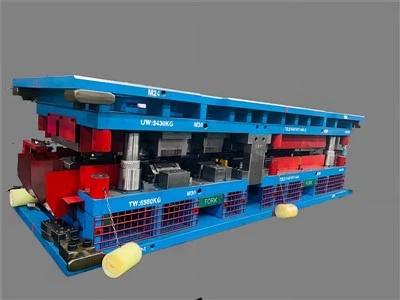
Tooling is another major cost factor in stamping parts production. The stamping dies are like the molds that shape your parts, and they can be pretty expensive to make. The complexity of the part design directly affects the tooling cost. If you have a part with a lot of intricate details, the die will need to be more precise and complex, which means higher costs.
The type of tooling also matters. Progressive dies are great for high - volume production because they can perform multiple operations in one stroke. But they're more expensive to make compared to simple single - hit dies. As a supplier, I always work closely with my clients to figure out the best tooling option for their specific needs. If you're only producing a small number of parts, a single - hit die might be the way to go to save on tooling costs.
Labor Costs
Labor is an important part of the production process, and it can add up quickly. Skilled workers are needed to operate the stamping machines, set up the dies, and perform quality control checks. The cost of labor can vary depending on the location of your production facility. In some areas, labor is more expensive due to higher living costs and stronger labor unions.
Automation can help reduce labor costs in the long run. By investing in automated stamping machines, you can increase production efficiency and reduce the need for manual labor. However, the initial investment in automation equipment can be quite high. So, it's a decision that needs to be carefully considered based on your production volume and long - term goals.
Production Volume
The volume of parts you need to produce has a big impact on the cost per part. Generally, the more parts you produce, the lower the cost per part. This is because the fixed costs, like tooling and machine setup, can be spread out over a larger number of parts.
For example, if you're producing 100 parts, the cost per part will be higher compared to producing 10,000 parts. When you're producing in high volumes, you can also negotiate better deals with your material suppliers, which further reduces the cost. If you're a business looking for Medical and Fiber Optic Parts and need a large quantity, it's definitely worth considering the cost - saving benefits of high - volume production.
Quality Control Costs
Quality control is crucial in stamping parts production. You don't want to send out faulty parts to your customers, as it can damage your reputation and lead to costly returns. Quality control costs include things like inspection equipment, testing procedures, and the time spent by workers checking the parts.
The level of quality control you need depends on the application of your parts. For example, parts used in the medical industry need to meet very strict quality standards, which means more rigorous testing and higher quality control costs. On the other hand, parts for less critical applications might require less intensive quality control.
Energy Costs
Stamping machines use a lot of energy, especially when they're running at high speeds. The cost of electricity or other energy sources can be a significant part of the production cost. Energy - efficient machines can help reduce these costs. Newer models of stamping machines are designed to use less energy while maintaining high production rates.
As a supplier, I'm always looking for ways to reduce energy consumption in my production process. Not only does it save money, but it's also better for the environment. By using energy - efficient equipment and optimizing the production schedule, I can keep my energy costs in check and pass on the savings to my customers.
Transportation and Logistics Costs
Once the parts are produced, you need to get them to your customers. Transportation and logistics costs include things like shipping fees, packaging materials, and warehousing. The distance between your production facility and the customer's location plays a big role in these costs.
If you're shipping parts overseas, you'll need to consider things like customs duties and international shipping regulations. Packaging is also important to ensure that the parts arrive at their destination in good condition. Using high - quality packaging materials can prevent damage during transit, but it also adds to the cost.
Conclusion
So, there you have it - the main cost factors in stamping parts production. As a stamping parts supplier, I understand that cost is a major concern for my customers. That's why I work hard to find the best solutions for each project, whether it's choosing the right material, optimizing the tooling, or finding ways to reduce labor and energy costs.
If you're in the market for stamping parts and want to discuss your project, I'd love to hear from you. We can work together to figure out the most cost - effective way to produce the parts you need. Don't hesitate to reach out and start a conversation about your stamping parts requirements.
References
- "Metal Stamping Handbook" - A comprehensive guide on metal stamping processes and cost - related aspects.
- Industry reports on stamping parts production from leading manufacturing research firms.