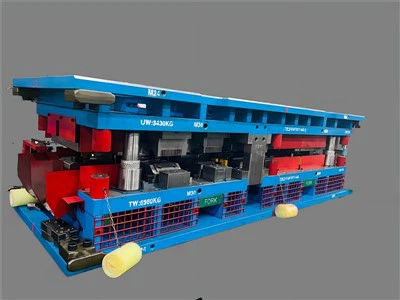
As a supplier of deep draw parts, I've witnessed firsthand the importance of recycling in our industry. Deep draw parts, which are created through a metal forming process that involves drawing a flat sheet of metal into a die to form a three-dimensional shape, are widely used in various sectors such as automotive, aerospace, and consumer goods. With the increasing focus on sustainability, recycling these parts has become not only an environmental imperative but also a cost - effective strategy for businesses. In this blog, I'll share some effective ways to recycle deep draw parts.
Understanding the Composition of Deep Draw Parts
Before diving into the recycling process, it's crucial to understand the materials used in deep draw parts. Most deep draw parts are made from metals like steel, aluminum, and copper. Each metal has its own unique properties and recycling requirements.
Steel is one of the most commonly used materials in deep draw parts due to its strength and durability. Recycling steel is highly efficient as it can be melted down and reused multiple times without losing its properties. Aluminum, on the other hand, is lightweight and corrosion - resistant. Recycling aluminum saves a significant amount of energy compared to producing new aluminum from bauxite ore. Copper is known for its excellent electrical conductivity and is often used in applications where this property is essential.
Collection and Sorting
The first step in recycling deep draw parts is collection. As a supplier, we can play a vital role in this process. We can establish a collection system where we collect used deep draw parts from our customers. This can be done through a return program, where customers are incentivized to return the parts at the end of their useful life.
Once the parts are collected, sorting is essential. Sorting ensures that different metals are separated from each other. This can be done manually or with the help of automated sorting equipment. For example, magnetic separators can be used to separate ferrous metals (such as steel) from non - ferrous metals (such as aluminum and copper). Optical sorting machines can also be used to distinguish between different types of non - ferrous metals based on their spectral properties.
Pre - treatment
After sorting, the deep draw parts need to be pre - treated. This involves removing any contaminants such as paint, grease, or plastic coatings. There are several methods for pre - treatment. One common method is shot blasting, where small metal shots are propelled at high speed onto the surface of the parts to remove the contaminants. Chemical cleaning can also be used, where the parts are immersed in a chemical solution to dissolve the contaminants.
Another important aspect of pre - treatment is size reduction. Large deep draw parts need to be broken down into smaller pieces to facilitate the melting process. This can be done using crushers or shears. By reducing the size of the parts, we increase the surface area available for melting, which speeds up the recycling process.
Melting and Refining
Once the parts are pre - treated, they are ready for melting. The melting process is carried out in furnaces. For steel deep draw parts, electric arc furnaces are commonly used. These furnaces use an electric arc to generate the high temperatures required to melt the steel. For aluminum and copper parts, induction furnaces are often used. Induction furnaces heat the metal by inducing an electrical current in it, which is a more energy - efficient method.

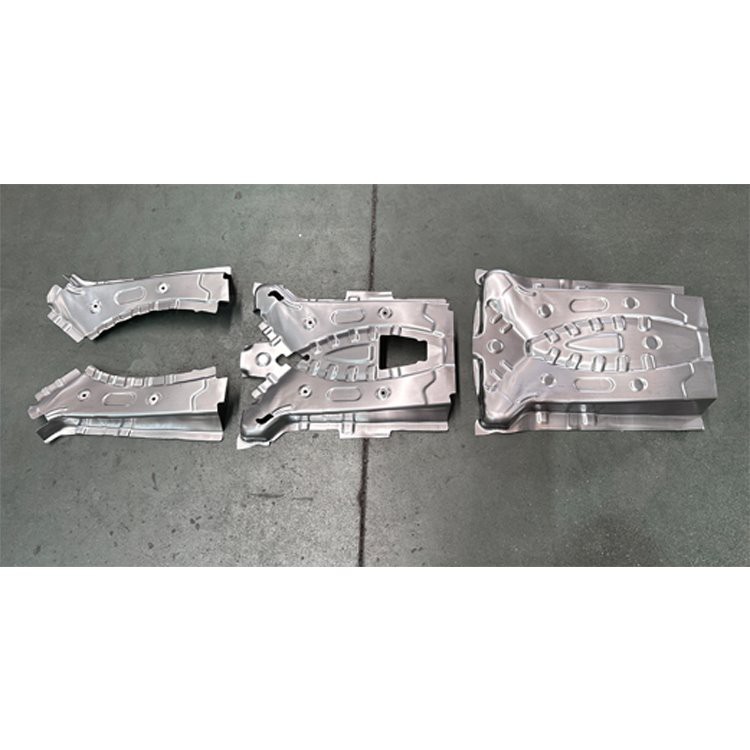
After melting, the metal needs to be refined. Refining removes any impurities that may still be present in the molten metal. This can be done through various processes such as slagging, where impurities are removed as slag on the surface of the molten metal. Other refining methods include electrolysis, which is used to purify metals like copper.
Re - manufacturing
Once the metal has been refined, it can be used to manufacture new deep draw parts. This is where our expertise as a deep draw parts supplier comes in. We can use the recycled metal to produce high - quality deep draw parts that meet the same standards as parts made from virgin materials.
The use of recycled metal in manufacturing has several benefits. Firstly, it reduces the demand for virgin materials, which helps to conserve natural resources. Secondly, it reduces the energy consumption associated with the production of new parts. For example, recycling aluminum uses only about 5% of the energy required to produce new aluminum from bauxite ore.
The Role of Technology in Recycling Deep Draw Parts
Technology plays a crucial role in the recycling of deep draw parts. Advanced sorting technologies, such as artificial intelligence - based sorting systems, can improve the accuracy and efficiency of the sorting process. These systems can quickly identify different types of metals and separate them with high precision.
In the melting and refining process, new furnace technologies are being developed to reduce energy consumption and emissions. For example, some furnaces use advanced insulation materials to minimize heat loss, which improves energy efficiency.
Challenges in Recycling Deep Draw Parts
Despite the many benefits of recycling deep draw parts, there are also some challenges. One of the main challenges is the presence of complex alloys in some deep draw parts. These alloys can be difficult to separate and recycle. For example, some automotive deep draw parts may contain a combination of different metals and elements, which makes the recycling process more complicated.
Another challenge is the cost of recycling. The collection, sorting, pre - treatment, melting, and refining processes all require investment in equipment and labor. This can make the recycling process more expensive compared to using virgin materials in some cases. However, as the demand for sustainable products increases, the cost - effectiveness of recycling is likely to improve.
The Market for Recycled Deep Draw Parts
There is a growing market for recycled deep draw parts. Many companies are now looking for sustainable suppliers who can provide them with parts made from recycled materials. As a deep draw parts supplier, we can capitalize on this trend by promoting our recycled parts.
We can highlight the environmental benefits of using recycled deep draw parts, such as reduced carbon emissions and conservation of natural resources. At the same time, we can assure our customers that the quality of our recycled parts is on par with parts made from virgin materials.
Conclusion
Recycling deep draw parts is a complex but rewarding process. As a supplier, we have a responsibility to lead the way in promoting sustainable practices in our industry. By implementing effective recycling strategies, we can not only contribute to environmental protection but also create a more cost - effective and competitive business.
If you're interested in purchasing high - quality deep draw parts, whether made from recycled materials or virgin materials, we'd love to have a discussion with you. Contact us to start a procurement negotiation and discover how we can meet your specific needs.
References
- Metals Recycling Handbook: Principles and Applications.
- Sustainable Manufacturing in the Automotive Industry: A Review.
- Advances in Metal Sorting Technologies for Recycling.
For more information on related technologies, you can visit these links: Steel sheet progressive die, Progressive Die Manufacturing, Casting Progressive Die.