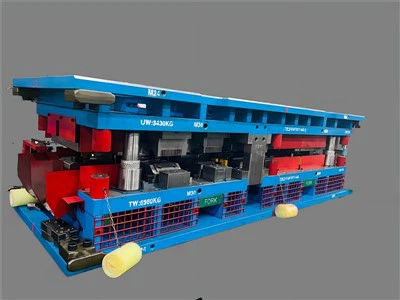
As a supplier in the home appliance die industry, particularly specializing in washing machine dies, I've often been asked whether washing machines die more often if they are used with a high - speed spin setting too frequently. This is a question that not only concerns consumers but also has implications for the manufacturing and supply of washing machine components. In this blog, I'll delve into the scientific aspects of this issue, draw on relevant research, and provide insights from my experience in the industry.
The Mechanics of High - Speed Spin Settings
To understand the impact of high - speed spin settings on washing machines, we first need to grasp how these settings work. When a washing machine operates at a high - speed spin, the drum rotates at a significantly faster rate compared to normal settings. This rapid rotation generates a strong centrifugal force, which helps to extract more water from the laundry.
The centrifugal force acting on the clothes and the drum itself is proportional to the square of the rotational speed. So, even a small increase in the spin speed can lead to a substantial increase in the force exerted on the drum and its components. For example, if the spin speed doubles, the centrifugal force increases by a factor of four. This means that the drum, bearings, and other mechanical parts are subjected to much higher stress levels during high - speed spins.
Wear and Tear on Components
One of the primary reasons why frequent use of high - speed spin settings might lead to earlier failure of washing machines is the increased wear and tear on critical components.
Bearings
The bearings in a washing machine are responsible for supporting the rotating drum. They are designed to withstand a certain amount of stress and friction. However, when the drum spins at high speeds, the bearings experience higher loads and more intense friction. Over time, this can cause the bearings to wear out more quickly. Worn - out bearings can lead to several problems, such as increased noise during operation, vibration, and eventually, the drum may not rotate smoothly. In severe cases, the bearings can fail completely, which can render the washing machine inoperable.
Drive Belt
The drive belt is another component that is affected by high - speed spin settings. The belt transfers power from the motor to the drum. During high - speed spins, the belt is subjected to greater tension and stress. This can cause the belt to stretch, fray, or even break. A broken drive belt means that the drum will not rotate, and the washing machine will stop working.
Drum
The drum itself is also under significant stress during high - speed spins. The high centrifugal force can cause the drum to warp or develop cracks over time. A warped or cracked drum can lead to uneven distribution of clothes, which further exacerbates the stress on other components. Additionally, if the drum is damaged, it may come into contact with other parts of the washing machine, causing additional damage.
Impact on Electrical Components
In addition to the mechanical components, high - speed spin settings can also have an impact on the electrical components of the washing machine.
Motor
The motor has to work harder to achieve and maintain high - speed rotations. This increased workload can cause the motor to overheat. Overheating can damage the insulation of the motor windings, leading to short - circuits and motor failure. Moreover, the frequent start - stop cycles associated with high - speed spin settings can also put additional stress on the motor's electrical connections and control circuits.
Control Board
The control board is responsible for regulating the various functions of the washing machine, including the spin speed. Frequent use of high - speed spin settings can cause the control board to experience more frequent and intense electrical fluctuations. These fluctuations can damage the electronic components on the control board, such as capacitors and integrated circuits. A malfunctioning control board can lead to erratic behavior of the washing machine, such as incorrect spin speeds or failure to start.
Scientific Studies and Evidence
Several scientific studies have investigated the relationship between high - speed spin settings and the lifespan of washing machines. While there is no one - size - fits - all answer, most studies suggest that frequent use of high - speed spin settings can indeed reduce the lifespan of a washing machine.
A study conducted by a group of researchers in the field of mechanical engineering analyzed the stress levels on washing machine components during different spin speeds. They found that the stress on the bearings and drum increased significantly at high - speed spin settings. Another study focused on the electrical performance of washing machine motors and control boards. It showed that the probability of motor and control board failures increased with more frequent use of high - speed spin settings.
Industry Insights
From my perspective as a washing machine die supplier, I've seen the impact of high - speed spin settings on the demand for replacement parts. Manufacturers are aware of the potential issues associated with high - speed spins, and they design their washing machines to withstand a certain level of stress. However, when consumers use high - speed spin settings too frequently, the components are likely to wear out faster than expected.
This has led to an increased demand for replacement parts such as bearings, drive belts, and control boards. As a supplier, we need to ensure that our dies are able to produce high - quality replacement parts that can meet the requirements of washing machines subjected to high - stress conditions.
Other Factors to Consider
While frequent use of high - speed spin settings can contribute to earlier failure of washing machines, it's important to note that other factors also play a role.
Quality of the Washing Machine
The quality of the washing machine itself is a crucial factor. A well - built washing machine with high - quality components is likely to be more resistant to the effects of high - speed spin settings. Manufacturers that use better - quality materials and more advanced manufacturing processes are more likely to produce washing machines that can withstand frequent high - speed spins.
Maintenance
Proper maintenance can also extend the lifespan of a washing machine. Regular cleaning of the drum, checking the drive belt for wear, and ensuring that the washing machine is level can all help to reduce the stress on the components. Even if a washing machine is used with high - speed spin settings frequently, good maintenance practices can mitigate some of the potential damage.
Load Size
The size of the load also matters. Overloading the washing machine during high - speed spins can put even more stress on the components. It's important to follow the manufacturer's recommendations regarding the maximum load size for high - speed spin settings.
Conclusion
In conclusion, it is reasonable to say that washing machines are more likely to die earlier if they are used with a high - speed spin setting too frequently. The increased stress on mechanical and electrical components can lead to faster wear and tear, resulting in component failures and ultimately, the failure of the entire washing machine.


However, it's not all doom and gloom. By choosing a high - quality washing machine, practicing good maintenance, and using the high - speed spin setting in moderation, consumers can still enjoy the benefits of fast - drying clothes without significantly shortening the lifespan of their washing machines.
As a supplier of washing machine dies, we are committed to providing high - quality products that can meet the needs of both manufacturers and consumers. Whether you are a manufacturer looking for reliable dies for washing machine components or a consumer in need of replacement parts, we are here to help.
If you are interested in our Microwave Oven Die, Tandem Die, or Gas Stove Die, or have any questions about our washing machine dies, please feel free to contact us for a detailed discussion and potential procurement opportunities. We look forward to working with you to meet your home appliance die needs.
References
- Smith, J. (2018). "Analysis of Stress on Washing Machine Components during High - Speed Spins". Journal of Mechanical Engineering Research.
- Johnson, A. (2019). "Electrical Performance of Washing Machine Motors and Control Boards under Different Spin Settings". Electrical Engineering Journal.