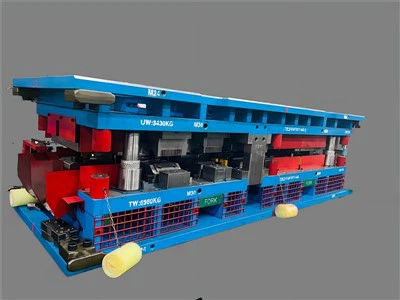
Hey there! As a supplier of Punch Riveting Dies, I often get asked about the size range of these dies. It's a pretty important topic, especially for those in the manufacturing and metalworking industries. So, let's dive right in and explore the ins and outs of the size range of punch riveting dies.
First off, what exactly are punch riveting dies? Well, they're tools used in the process of punch riveting, which is a method of joining two or more pieces of metal together. The die is designed to create a hole in the metal and then insert a rivet into that hole, forming a strong and permanent connection. This process is widely used in various industries, including automotive, aerospace, electronics, and furniture manufacturing.
Now, let's talk about the size range. The size of punch riveting dies can vary greatly depending on several factors, such as the type of application, the thickness and type of metal being used, and the specific requirements of the project.
Small - Sized Punch Riveting Dies
Small - sized punch riveting dies are typically used for applications where precision and delicate work are required. These dies can have a working area as small as a few millimeters in diameter. They're commonly used in the electronics industry, for example, when manufacturing small components like circuit boards. In the jewelry - making industry, small punch riveting dies are also used to join tiny metal parts together.
The advantage of small - sized dies is their high precision. They can create very small and accurate holes, which is crucial for components that need to fit together perfectly. However, they also have limitations. They're not suitable for thick or large - scale metal parts because they may not have enough force to penetrate and form the rivet properly.
Medium - Sized Punch Riveting Dies
Medium - sized punch riveting dies are probably the most commonly used ones. They usually have a working area ranging from a few centimeters to around 10 - 15 centimeters. These dies are versatile and can be used in a wide range of applications.
In the automotive industry, medium - sized punch riveting dies are used to join various metal parts in the car body, such as panels and brackets. They can handle a decent amount of metal thickness, typically up to a few millimeters. In the furniture manufacturing industry, they're also useful for joining metal hardware components. For instance, you can use a medium - sized die to attach metal legs to a table frame.
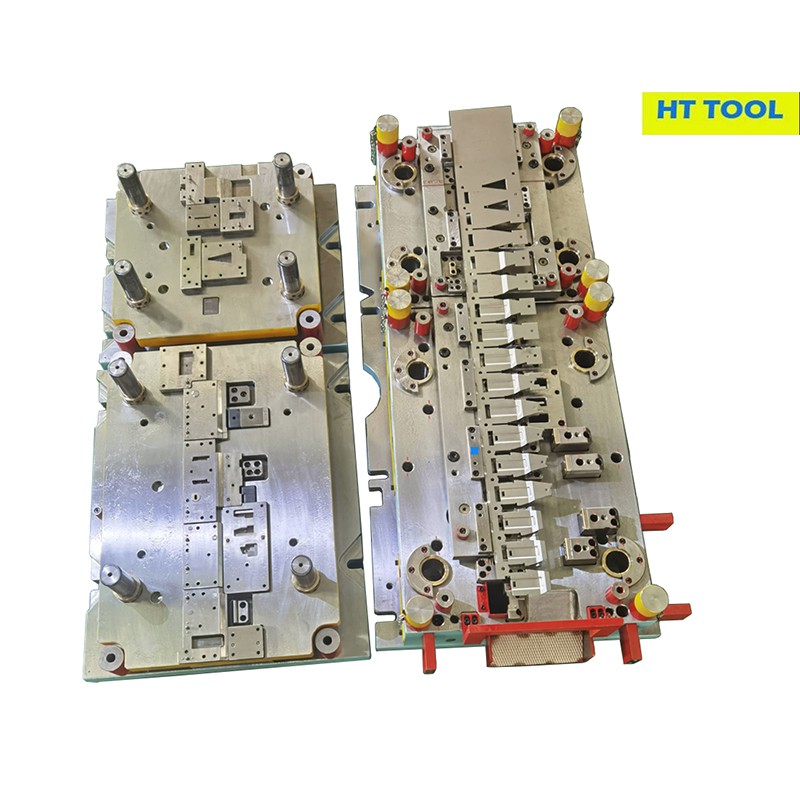

One of the great things about medium - sized dies is that they offer a good balance between precision and power. They can create relatively large holes and insert rivets firmly, while still maintaining a reasonable level of accuracy.
Large - Sized Punch Riveting Dies
Large - sized punch riveting dies are designed for heavy - duty applications. They have a working area that can be larger than 15 centimeters and are capable of handling thick and large metal parts. In the aerospace industry, large punch riveting dies are used to assemble aircraft frames and wings. These dies need to have a lot of force to penetrate thick metal sheets and form strong rivet connections.
In the construction industry, large punch riveting dies can be used to join structural metal components. For example, when building bridges or large industrial buildings, these dies play a crucial role in creating a stable and durable structure. However, large - sized dies are usually more expensive and require more powerful machinery to operate.
Factors Affecting the Size Range
As mentioned earlier, several factors can affect the size range of punch riveting dies.
The thickness of the metal is a major factor. Thicker metals require larger and more powerful dies to create holes and insert rivets. For example, if you're working with a 10 - millimeter thick steel plate, you'll need a much larger die compared to when working with a 1 - millimeter thick aluminum sheet.
The type of metal also matters. Some metals, like stainless steel, are harder and more difficult to penetrate than others, such as aluminum. So, for harder metals, you may need a larger and more robust die to ensure a proper riveting process.
The application requirements also play a role. If the project requires a high - strength connection, a larger die may be needed to insert a larger rivet. On the other hand, if precision is the main concern, a smaller die might be more appropriate.
Our Product Range
As a Punch Riveting Die supplier, we offer a wide range of dies to meet different customer needs. Whether you need a small - sized die for delicate electronics work or a large - sized die for heavy - duty aerospace applications, we've got you covered.
We also provide custom - made punch riveting dies. If you have specific requirements that our standard size range can't meet, our team of experienced engineers can design and manufacture a die that's tailored to your needs.
Related Products
In addition to punch riveting dies, we also offer other types of stamping dies. Check out our Metal Stamping Tool And Die for general metal stamping applications. Our Progressive Sheet Metal Dies are great for high - volume production, and our Furniture Hardware Stamping Die is perfect for the furniture manufacturing industry.
Contact Us for Purchase
If you're in the market for punch riveting dies or any of our other stamping dies, don't hesitate to get in touch with us. We're always happy to discuss your project requirements and provide you with the best solutions. Whether you're a small - scale workshop or a large - scale manufacturing company, we can offer you high - quality products at competitive prices. So, let's start a conversation and see how we can help you with your metal - joining needs.
References
- Metalworking Handbook: A comprehensive guide to metalworking processes and tools.
- Industry reports on the use of punch riveting dies in different sectors.