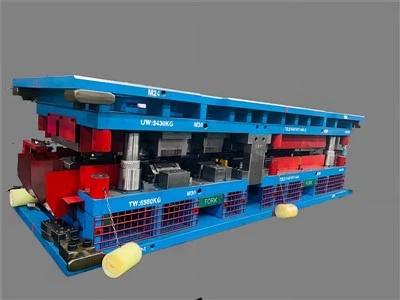
Hey there! As a supplier of Punch Riveting Dies, I often get asked about the noise level when using these dies. It's a crucial question, especially in a work environment where noise can affect not only the comfort of workers but also their long - term health. So, let's dive into this topic and figure out what kind of noise we're dealing with when using a punch riveting die.
First off, it's important to understand how a punch riveting die works. Essentially, it's a tool used to create a mechanical joint between two or more pieces of material, usually metal, by punching a rivet through them. This process involves a significant amount of force being applied in a short period of time. When the punch strikes the rivet and forces it through the materials, it creates a sudden impact, and this is where the noise comes from.
The noise level of a punch riveting die can vary quite a bit depending on several factors. One of the main factors is the type of machine that the die is used with. For example, hydraulic punch riveting machines tend to be quieter compared to pneumatic ones. Hydraulic systems operate more smoothly because they use fluid pressure to generate force. The fluid acts as a cushion, reducing the sharp impact that causes loud noises. On the other hand, pneumatic machines rely on compressed air, which can create a more abrupt and noisy operation. When the air is released to drive the punch, it can produce a loud "pop" or "bang" sound.
Another factor that affects the noise level is the design of the punch riveting die itself. A well - designed die will have features that help dampen the noise. For instance, some dies are made with special materials or coatings that absorb vibrations. When the punch strikes the rivet, these materials can reduce the amount of energy that is transferred into sound waves. Additionally, the shape and size of the die can also play a role. A die with a more streamlined design may cause less air turbulence during operation, which in turn can result in lower noise levels.
The materials being riveted also have an impact on the noise. Harder materials like steel will generally produce more noise than softer materials such as aluminum. When the punch tries to penetrate a hard material, it has to exert more force, and this increased force leads to a louder impact. The thickness of the materials also matters. Thicker materials require more energy to rivet, and this can result in a noisier operation.
Now, let's talk about some real - world noise levels. In a typical industrial setting, the noise level when using a punch riveting die can range from 80 to 110 decibels (dB). To put this into perspective, normal conversation is around 60 dB, and exposure to noise levels above 85 dB for an extended period can cause hearing damage. At 110 dB, the noise is extremely loud, similar to the sound of a chainsaw or a rock concert.


To mitigate the noise, there are several measures that can be taken. One option is to use noise - reducing enclosures. These enclosures are made of sound - absorbing materials and can be placed around the punch riveting machine. They work by trapping the sound waves inside and preventing them from spreading into the surrounding environment. Another solution is to use personal protective equipment (PPE) such as earplugs or earmuffs for the workers. These can significantly reduce the amount of noise that reaches the workers' ears.
As a Punch Riveting Die supplier, we're always looking for ways to improve the performance of our products, including reducing the noise level. We offer a wide range of dies that are designed with noise - reduction in mind. Whether you're working with Progressive Sheet Metal Dies, Prototype Die, or Compound Tool And Progressive Tool, we have the right solution for you.
Our R & D team is constantly researching new materials and designs to make our punch riveting dies quieter. We also provide support and advice on how to operate the dies in the most noise - efficient way. For example, we can suggest the right machine settings and maintenance procedures to keep the noise level down.
If you're in the market for a punch riveting die and are concerned about the noise level, don't hesitate to reach out to us. We can help you choose the right die for your specific needs and ensure that it meets your noise requirements. Whether you're a small - scale workshop or a large industrial manufacturer, we have the expertise and products to serve you.
In conclusion, the noise level when using a punch riveting die can be a significant issue, but with the right products and measures, it can be managed effectively. By choosing the right type of machine, die design, and taking appropriate noise - reduction steps, you can create a safer and more comfortable work environment. So, if you're interested in learning more about our punch riveting dies or need advice on noise reduction, feel free to contact us for a procurement discussion. We're here to help you make the best choice for your business.
References
- Industrial Noise Control Handbook, Second Edition. Edited by Clarence W. Harris.
- Machinery's Handbook, 31st Edition. By Industrial Press Inc.