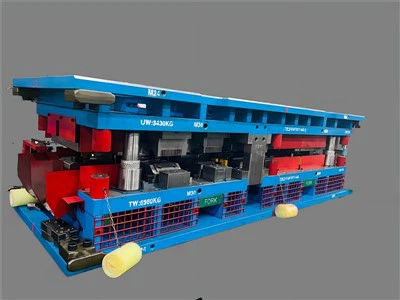
High speed stamping is a crucial manufacturing process used across various industries, from automotive to electronics. As a high speed stamping supplier, we're constantly on the lookout for ways to enhance efficiency and reduce energy consumption. Energy efficiency is not just about cost savings; it's also about environmental sustainability and staying competitive in a rapidly evolving market. In this blog, we'll explore the energy efficiency improvement potential in high speed stamping.
Understanding High Speed Stamping
High speed stamping involves the rapid production of parts from sheet metal using a press and a set of dies. The process can achieve extremely high production rates, often producing hundreds or thousands of parts per minute. This high - volume production makes it a popular choice for mass - producing small to medium - sized components with high precision.
The energy consumption in high speed stamping is primarily related to the operation of the press. The press has to generate sufficient force to cut, bend, and shape the metal, which requires a significant amount of electrical or mechanical energy. Additionally, there are other aspects such as the power needed for material feeding, lubrication systems, and automation equipment.
Factors Influencing Energy Consumption in High Speed Stamping
Press Design and Technology
The type of press used in high speed stamping greatly affects energy consumption. Older mechanical presses may be less efficient because they operate at fixed speeds and have limited control over the force and motion during the stamping cycle. In contrast, servo - driven presses offer more flexibility. Servo presses can adjust the speed, stroke, and force according to the specific requirements of each stamping operation. This means they can use less energy when performing lighter tasks and still provide the necessary force for more demanding jobs.
For example, if a certain part only requires a relatively low stamping force, a servo press can reduce its power output accordingly, while a traditional mechanical press may continue to draw the same amount of energy regardless of the task.
Die Design and Maintenance
The design of the stamping dies is another critical factor. Well - designed Progressive Die Stamping and Progressive Sheet Metal Dies can reduce the force required for stamping. Dies with sharp cutting edges and optimized geometries can cut through the metal more easily, which in turn reduces the load on the press and saves energy.
Regular maintenance of the dies is also essential. Worn - out dies can cause an increase in the stamping force needed, leading to higher energy consumption. If the dies are not properly lubricated, the friction between the die and the metal will increase, further adding to the energy requirements.
Material Handling and Feeding
Efficient material handling and feeding systems are vital for energy efficiency. Automating the material feeding process can reduce the time between stamping cycles, allowing the press to operate more continuously. However, it's important that these automated systems are also energy - efficient. For instance, using servo - driven feeders instead of traditional mechanical feeders can provide better control over the feeding speed and force, reducing the overall energy usage.
Energy Efficiency Improvement Strategies
Upgrading Press Equipment
One of the most effective ways to improve energy efficiency in high speed stamping is to upgrade to more modern and efficient presses. As mentioned earlier, servo - driven presses are a great option. They can reduce energy consumption by up to 30 - 50% compared to traditional mechanical presses in some applications. In addition to the reduced energy use, servo presses also offer better process control, which can lead to higher quality parts and less waste.
Optimizing Die Design
Investing in advanced die design techniques can yield significant energy savings. Using computer - aided design (CAD) and finite element analysis (FEA) software, engineers can optimize the die geometry to minimize the stamping force required. For example, optimizing the clearance between the punch and the die can reduce the shearing force and thus the energy consumption. Additionally, modular die designs, like Prototype Die can be more easily adjusted and maintained, ensuring consistent performance and energy efficiency over time.
Implementing Energy Management Systems
Energy management systems can monitor and control the energy consumption of the stamping process. These systems can collect data on various parameters such as press power consumption, feeding speed, and die temperature. By analyzing this data, operators can identify areas where energy is being wasted and take corrective actions. For example, if the system detects that the press is consuming more energy than necessary during a particular part of the stamping cycle, it can adjust the operation accordingly.


Process Optimization
Streamlining the entire high speed stamping process can also lead to energy savings. This includes optimizing the production schedule to reduce idle time of the press. By running the press at full capacity for longer periods and minimizing start - stop cycles, energy efficiency can be improved. Additionally, reducing the number of dies changes and setup times can also save energy, as each setup requires the press to go through a warm - up period.
Case Studies of Energy Efficiency Improvements in High Speed Stamping
Let's take a look at some real - world examples of companies that have successfully improved energy efficiency in high speed stamping.
Company A, a major automotive parts manufacturer, replaced its traditional mechanical presses with servo - driven presses. After the upgrade, they noticed a 40% reduction in energy consumption for stamping operations. The servo presses allowed them to adjust the force and speed according to the different parts they were producing, leading to significant energy savings.
Company B focused on die optimization. They used FEA software to redesign their stamping dies, which resulted in a 20% reduction in the stamping force required. With the reduced force, the press consumed less energy, and they also saw an improvement in the part quality due to the more consistent stamping process.
The Business Case for Energy Efficiency in High Speed Stamping
Improving energy efficiency in high speed stamping is not just about environmental benefits; it also makes good business sense. Energy costs are a significant part of the overall manufacturing cost. By reducing energy consumption, companies can lower their production costs, which can lead to a more competitive pricing strategy in the market.
Moreover, with increasing environmental regulations and consumer awareness about sustainable manufacturing, companies that invest in energy - efficient technologies can enhance their reputation and gain a competitive edge.
Contact Us for Energy - Efficient High Speed Stamping Solutions
If you're looking to improve energy efficiency in your high speed stamping operations, we're here to help. As a leading high speed stamping supplier, we have the expertise and the technology to provide you with the most energy - efficient solutions. Whether it's upgrading your press equipment, optimizing your die design, or implementing an energy management system, we can tailor our services to meet your specific needs.
Feel free to reach out to us to discuss your requirements and explore how we can work together to achieve significant energy savings in your stamping processes.
References
- [Research on Energy - Saving Technology of High - Speed Stamping Equipment], Journal of Manufacturing Science and Technology
- [Optimization of Die Design for Energy Efficiency in Stamping], International Journal of Advanced Manufacturing Technology
- [Energy Management in High - Volume Metal Stamping], Proceedings of the Manufacturing Engineering Society Conference