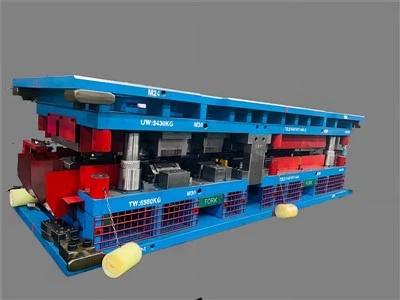
Hey there! As a supplier of Punch Riveting Dies, I often get asked about the maintenance cycle of these nifty tools. So, I thought I'd take a deep dive into this topic and share my insights with you all.
Understanding Punch Riveting Dies
First off, let's quickly go over what a punch riveting die is. A punch riveting die is a specialized tool used in manufacturing processes to join two or more metal parts together using rivets. It works by punching a hole in the metal and then forming the rivet, creating a strong and permanent bond. These dies are commonly used in industries such as automotive, aerospace, electronics, and furniture manufacturing.
Why Maintenance is Crucial
Maintenance is super important for punch riveting dies for several reasons. First of all, regular maintenance helps to ensure the dies are working efficiently. If the dies aren't properly maintained, they can start to wear down, which can lead to issues like inconsistent rivet quality, increased production time, and even damage to the parts being joined.
Secondly, maintenance can extend the lifespan of the dies. Dies are often quite expensive to manufacture, so taking good care of them can save you a lot of money in the long run. By regularly cleaning, lubricating, and inspecting the dies, you can prevent excessive wear and tear, and keep them in good working condition for much longer.
Factors Affecting the Maintenance Cycle
The maintenance cycle of a punch riveting die can vary depending on several factors. One of the biggest factors is the frequency of use. If the dies are used constantly, they're going to wear down faster than if they're only used occasionally. For example, in a high-volume production line where the dies are in use all day, every day, they'll need to be maintained more frequently than in a small workshop where the dies are only used a few times a week.
Another factor is the type of material being processed. Different metals have different hardness and abrasiveness, which can affect how quickly the dies wear out. For instance, working with hard metals like stainless steel or titanium is going to cause more wear on the dies compared to softer metals like aluminum or copper.
The operating conditions also play a role. If the dies are being used in a dirty or dusty environment, they'll be more prone to damage and require more frequent cleaning and maintenance. Similarly, if the dies are exposed to high temperatures or extreme humidity, this can also impact their performance and lifespan.
General Maintenance Cycle Guidelines
So, what's a typical maintenance cycle for a punch riveting die? Well, it really depends on the factors we just discussed, but here are some general guidelines.
Daily Maintenance
Every day, before and after using the dies, you should perform some basic maintenance tasks. This includes cleaning the dies to remove any debris, dust, or metal shavings. You can use a clean cloth or a soft brush to gently wipe down the surfaces of the dies. It's also a good idea to check for any visible signs of damage, such as cracks or chips. If you notice any issues, it's important to address them right away to prevent further damage.
Weekly Maintenance
On a weekly basis, you should give the dies a more thorough cleaning. This might involve using a solvent to remove any stubborn dirt or grease. After cleaning, make sure to lubricate the moving parts of the dies. Lubrication helps to reduce friction and wear, and it can improve the overall performance of the dies. You should also inspect the alignment of the dies to ensure they're in proper working order.
Monthly Maintenance
Once a month, it's a good idea to conduct a detailed inspection of the dies. This includes checking the condition of the cutting edges and the riveting punches. If the cutting edges are dull or the punches are worn, they may need to be sharpened or replaced. You should also check the bolts and fasteners to make sure they're tight, and adjust the die settings if necessary.
Seasonal or Annual Maintenance
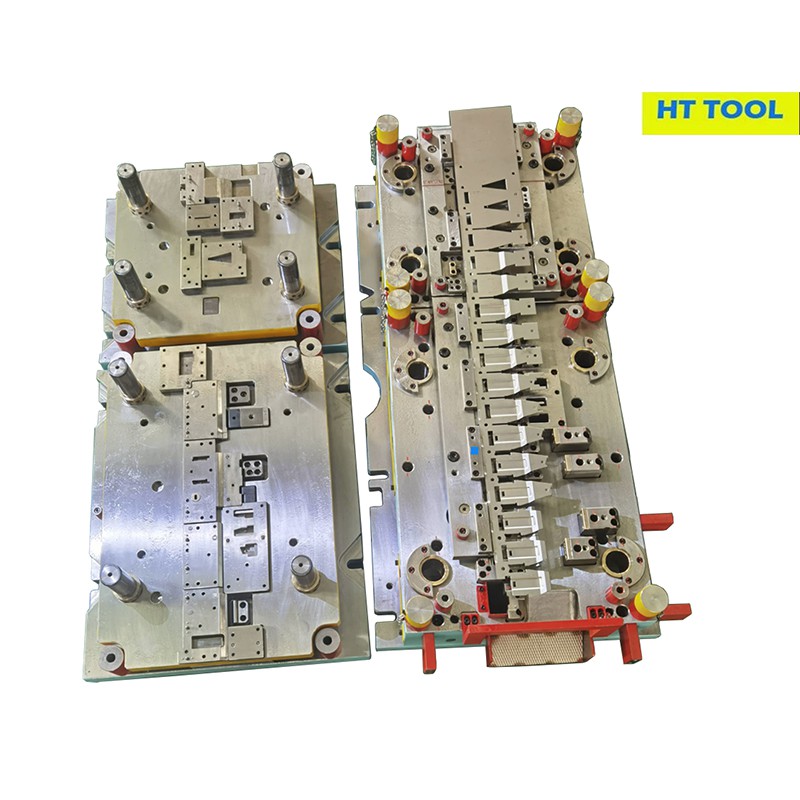
Depending on the usage and the environment, you may need to perform more in-depth maintenance on a seasonal or annual basis. This could involve disassembling the dies for a complete inspection and cleaning of all the internal components. You may also need to replace any worn-out parts, such as springs or bearings.

Customizing the Maintenance Cycle
Of course, these are just general guidelines, and you may need to customize the maintenance cycle based on your specific needs. For example, if you're working with a particularly abrasive material, you might need to increase the frequency of maintenance. On the other hand, if the dies are used very sparingly, you may be able to extend the maintenance intervals.
It's also important to keep detailed records of the maintenance activities. This can help you track the performance of the dies over time, identify any recurring issues, and make informed decisions about when to perform maintenance in the future.
Our Other Die Products
If you're in the market for different types of dies, we also offer a wide range of options. Check out our Furniture Hardware Stamping Die, which is designed for the furniture manufacturing industry. These dies are precision-made to ensure high-quality stamping of furniture hardware parts.
We also have Progressive Sheet Metal Dies that are perfect for high-volume production. These dies allow for multiple operations to be performed in a single pass, increasing efficiency and productivity.
And if you're looking for a die for prototyping purposes, our Prototype Die is a great choice. It's designed to be cost-effective and flexible, allowing you to quickly test and refine your designs.
Looking to Connect?
If you have any questions about punch riveting dies or any of our other products, or if you're interested in purchasing dies for your business, don't hesitate to reach out. We're here to help you find the right solution for your manufacturing needs. Whether you need advice on maintenance cycles or want to discuss custom die designs, we've got you covered.
References
- Metalworking Handbook: A comprehensive guide to metalworking processes and tools.
- Die Manufacturing Industry Reports: These reports provide valuable insights into the latest trends and best practices in die manufacturing and maintenance.
That's all for now, folks! I hope this blog post has given you a better understanding of the maintenance cycle of punch riveting dies. If you have any more questions, feel free to drop them in the comments below.