As a supplier in the washing machine die industry, I've witnessed firsthand the critical role that every component plays in the proper functioning of a washing machine. One such crucial part is the drain solenoid. A drain solenoid is an electromechanical device that controls the flow of water out of the washing machine during the drain cycle. When this component starts to fail, it can lead to a host of problems that can disrupt the normal operation of the appliance. In this blog, I'll discuss the symptoms of a dying washing machine's drain solenoid and how you can identify them.
Slow or Incomplete Draining
One of the most common symptoms of a failing drain solenoid is slow or incomplete draining. During a normal wash cycle, the drain solenoid should open to allow water to flow out of the machine quickly and efficiently. If the solenoid is failing, it may not open fully, or it may open too slowly, causing water to drain at a much slower rate than usual. This can result in water remaining in the machine after the cycle is supposed to be complete, which can lead to mold and mildew growth, as well as unpleasant odors.
If you notice that your washing machine is taking longer than usual to drain, or if there is still water in the tub after the cycle has ended, it could be a sign that the drain solenoid is on its way out. You can test this by running a spin cycle and observing how quickly the water drains. If it takes an unusually long time, or if the water level doesn't seem to go down significantly, it's likely that the solenoid is the culprit.
Loud Noises During Draining
Another symptom of a dying drain solenoid is loud noises during the draining process. A healthy solenoid should operate quietly as it opens and closes to control the water flow. However, when it starts to malfunction, it may produce a variety of strange noises, such as buzzing, humming, or clicking sounds. These noises can be a sign that the solenoid's internal components are wearing out or that there is a problem with the electrical connection.
If you hear any unusual noises coming from your washing machine during the drain cycle, it's important to investigate further. Ignoring these sounds could lead to more serious problems down the line, such as a complete failure of the solenoid. You can try to isolate the source of the noise by listening carefully to where it's coming from. If it seems to be coming from the area around the drain solenoid, it's a good indication that this is the part that needs attention.
Water Leakage
Water leakage is another potential symptom of a failing drain solenoid. When the solenoid fails to close properly, it can allow water to leak out of the machine, either onto the floor or into the surrounding area. This can not only cause damage to your floors and other nearby objects but can also pose a safety hazard.
If you notice any water pooling around your washing machine, it's important to check the drain solenoid for signs of damage or malfunction. Look for any visible cracks or leaks in the solenoid housing, as well as any signs of water dripping from the connection points. If you find any issues, it's best to replace the solenoid as soon as possible to prevent further damage.
Error Codes
Many modern washing machines are equipped with error code systems that can help you diagnose problems with the appliance. If the drain solenoid is malfunctioning, it may trigger an error code on the machine's display. The specific error code will vary depending on the make and model of your washing machine, but it will typically indicate a problem with the drain system.
If you see an error code on your washing machine's display, refer to the owner's manual to find out what it means. In many cases, the error code will point you directly to the drain solenoid as the source of the problem. If you're unsure how to interpret the error code or how to proceed, it's a good idea to contact a professional appliance repair technician for assistance.

Inconsistent Drain Cycles
In some cases, a failing drain solenoid may cause the washing machine to have inconsistent drain cycles. This means that the machine may drain properly during some cycles but experience problems during others. This inconsistency can make it difficult to diagnose the problem, as the symptoms may not be present every time the machine is used.
If you notice that your washing machine's drain cycles are inconsistent, it's important to pay close attention to the patterns. Try to keep track of when the problems occur and what settings you were using on the machine at the time. This information can be helpful in determining whether the drain solenoid is the cause of the issue.
Importance of Timely Replacement
If you suspect that your washing machine's drain solenoid is failing, it's important to replace it as soon as possible. Ignoring the problem can lead to more serious issues, such as water damage to your home, mold and mildew growth, and even complete failure of the washing machine.
Replacing a drain solenoid is a relatively straightforward process, but it does require some basic knowledge of appliance repair. If you're not comfortable working on your washing machine yourself, it's best to hire a professional appliance repair technician to do the job. They will have the tools and expertise necessary to replace the solenoid safely and effectively.
Our Washing Machine Die Products
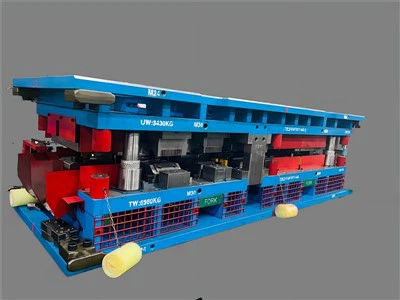
At our company, we specialize in providing high-quality washing machine dies, including Tandem Die and Progressive Die Metal Stamping. Our dies are designed to meet the strictest industry standards and are used by leading washing machine manufacturers around the world.
In addition to our washing machine dies, we also offer a range of other home appliance dies, such as Gas Stove Die. Our team of experienced engineers and technicians is dedicated to providing our customers with the best possible products and services.
Contact Us for Procurement
If you're in the market for high-quality washing machine dies or other home appliance dies, we invite you to contact us for procurement. Our sales team will be happy to discuss your specific needs and provide you with a customized solution. We look forward to working with you to help you achieve your manufacturing goals.
References
- Appliance Repair Manuals
- Industry Research Reports on Washing Machine Components