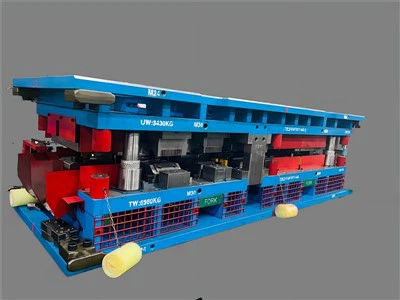
What are the maintenance intervals for automotive tooling?


As a trusted automotive tooling supplier, I understand the critical role that proper maintenance intervals play in the performance and longevity of automotive tooling. In this blog post, I will delve into the factors influencing maintenance intervals, the recommended schedules for different types of automotive tooling, and the benefits of adhering to these schedules.
Factors Influencing Maintenance Intervals
Several factors determine the appropriate maintenance intervals for automotive tooling. These include the type of tooling, the frequency of use, the operating conditions, and the quality of the tooling itself.
- Type of Tooling: Different types of automotive tooling, such as Progressive Metal Stamping, Sheet Metal Progressive Tool Design, and Automotive Metal Stamping Die, have varying maintenance requirements. For example, stamping dies may require more frequent maintenance due to the high forces and stresses they endure during the stamping process.
- Frequency of Use: The more frequently a tool is used, the more wear and tear it will experience. Tools that are used continuously in high-volume production environments will typically require more frequent maintenance than those used intermittently.
- Operating Conditions: The operating conditions, such as temperature, humidity, and the presence of contaminants, can also affect the maintenance intervals. Tools used in harsh environments may require more frequent cleaning and lubrication to prevent corrosion and damage.
- Quality of the Tooling: High-quality tooling is generally more durable and requires less frequent maintenance than lower-quality alternatives. Investing in high-quality tooling upfront can result in long-term cost savings by reducing the frequency of maintenance and replacement.
Recommended Maintenance Intervals
Based on industry best practices and our experience as an automotive tooling supplier, the following are the recommended maintenance intervals for different types of automotive tooling:
Stamping Dies
- Daily Maintenance:
- Inspect the die for any signs of damage, such as cracks, chips, or excessive wear.
- Clean the die surfaces to remove any debris, lubricants, or metal shavings.
- Check the lubrication system to ensure proper oil flow and distribution.
- Inspect the fasteners and bolts for tightness.
- Weekly Maintenance:
- Perform a more thorough inspection of the die, including the punch and die inserts, guides, and strippers.
- Check the alignment of the die components to ensure accurate stamping.
- Replace any worn or damaged components as needed.
- Clean and lubricate the die again.
- Monthly Maintenance:
- Conduct a detailed inspection of the die using precision measuring tools to check for dimensional accuracy.
- Check the springs and cushions for proper tension and function.
- Review the stamping process parameters to ensure optimal performance.
- Schedule any necessary repairs or rework.
- Quarterly Maintenance:
- Disassemble the die for a comprehensive cleaning and inspection.
- Check the hardness and surface finish of the die components.
- Recondition or replace any worn or damaged components.
- Perform a trial run to verify the die's performance.
Progressive Metal Stamping Tools
- Daily Maintenance:
- Inspect the tool for any signs of wear or damage, such as bent or broken pins, worn punches, or damaged dies.
- Clean the tool surfaces to remove any debris or contaminants.
- Check the lubrication system to ensure proper oil flow and distribution.
- Inspect the feed system for smooth operation.
- Weekly Maintenance:
- Perform a more detailed inspection of the tool, including the progressive stations, guides, and strippers.
- Check the alignment of the tool components to ensure accurate stamping.
- Replace any worn or damaged components as needed.
- Clean and lubricate the tool again.
- Monthly Maintenance:
- Conduct a comprehensive inspection of the tool using precision measuring tools to check for dimensional accuracy.
- Check the springs and cushions for proper tension and function.
- Review the stamping process parameters to ensure optimal performance.
- Schedule any necessary repairs or rework.
- Quarterly Maintenance:
- Disassemble the tool for a thorough cleaning and inspection.
- Check the hardness and surface finish of the tool components.
- Recondition or replace any worn or damaged components.
- Perform a trial run to verify the tool's performance.
Sheet Metal Progressive Tools
- Daily Maintenance:
- Inspect the tool for any signs of wear or damage, such as scratches, dents, or excessive wear on the cutting edges.
- Clean the tool surfaces to remove any debris, lubricants, or metal shavings.
- Check the lubrication system to ensure proper oil flow and distribution.
- Inspect the feed system for smooth operation.
- Weekly Maintenance:
- Perform a more detailed inspection of the tool, including the progressive stations, guides, and strippers.
- Check the alignment of the tool components to ensure accurate stamping.
- Replace any worn or damaged components as needed.
- Clean and lubricate the tool again.
- Monthly Maintenance:
- Conduct a comprehensive inspection of the tool using precision measuring tools to check for dimensional accuracy.
- Check the springs and cushions for proper tension and function.
- Review the stamping process parameters to ensure optimal performance.
- Schedule any necessary repairs or rework.
- Quarterly Maintenance:
- Disassemble the tool for a thorough cleaning and inspection.
- Check the hardness and surface finish of the tool components.
- Recondition or replace any worn or damaged components.
- Perform a trial run to verify the tool's performance.
Benefits of Adhering to Maintenance Intervals
Adhering to the recommended maintenance intervals for automotive tooling offers several benefits, including:
- Improved Performance: Regular maintenance helps to ensure that the tools are operating at their optimal performance levels. This can result in higher-quality parts, increased production efficiency, and reduced downtime.
- Extended Tool Life: By preventing excessive wear and damage, regular maintenance can significantly extend the life of the tools. This reduces the need for frequent replacement, resulting in cost savings over the long term.
- Enhanced Safety: Well-maintained tools are less likely to malfunction or cause accidents. Regular inspections and maintenance can help to identify and address potential safety hazards before they become a problem.
- Compliance with Quality Standards: Many industries have strict quality standards that require regular maintenance of tools and equipment. Adhering to the recommended maintenance intervals helps to ensure compliance with these standards and avoid costly penalties.
Conclusion
In conclusion, proper maintenance intervals are essential for the performance, longevity, and safety of automotive tooling. By considering the factors influencing maintenance intervals and following the recommended schedules for different types of tooling, automotive manufacturers can minimize downtime, improve product quality, and reduce costs. As an automotive tooling supplier, we are committed to providing our customers with high-quality tooling and the support they need to maintain it effectively. If you have any questions or need assistance with your automotive tooling maintenance, please don't hesitate to contact us. We look forward to working with you to meet your automotive tooling needs.
References
- Automotive Tooling Association (ATA) Best Practices Guide
- Society of Manufacturing Engineers (SME) Handbook on Metal Forming
- Personal experience and expertise as an automotive tooling supplier