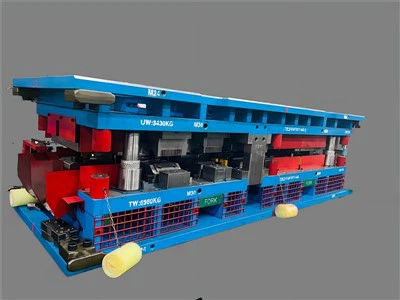
When it comes to the manufacturing industry, single casting dies play a pivotal role in the production of high - precision components. As a single casting die supplier, I understand the importance of safety precautions during their use. In this blog, I will delve into the various safety measures that should be taken when utilizing single casting dies to ensure a safe and efficient working environment.
1. Pre - operation Safety Checks
Before starting to use a single casting die, a series of pre - operation safety checks are essential. First and foremost, visually inspect the die for any signs of damage, such as cracks, chips, or excessive wear. A damaged die can not only produce sub - standard products but also pose a significant safety risk. For example, a crack in the die could cause it to break during operation, sending sharp fragments flying.
Check the alignment of the die components. Misaligned dies can lead to uneven pressure distribution, which may result in die failure or cause the workpiece to jam. This can be extremely dangerous as it may lead to sudden releases of energy or the ejection of parts. Make sure that all the fasteners, such as bolts and screws, are tightened properly. Loose fasteners can cause the die to shift during operation, increasing the risk of accidents.
Verify the integrity of the die's cooling system, if applicable. In some single casting die operations, cooling is crucial to prevent overheating. A malfunctioning cooling system can cause the die to overheat, which may lead to thermal expansion, deformation, and ultimately, failure of the die. This can also be a fire hazard in some cases.
2. Personal Protective Equipment (PPE)
Wearing appropriate personal protective equipment is non - negotiable when working with single casting dies. Operators should always wear safety glasses to protect their eyes from flying debris, such as metal shavings or fragments from the die. Safety glasses with side shields are recommended for maximum protection.
A well - fitting safety helmet should be worn to safeguard the head from potential falling objects or impacts. In a manufacturing environment, there is always a risk of tools or parts being dropped, and a helmet can prevent serious head injuries.
Heavy - duty work gloves are necessary to protect the hands from cuts, abrasions, and burns. When handling the die or the workpieces, there is a high chance of coming into contact with sharp edges or hot surfaces. Gloves also provide a better grip, reducing the risk of dropping tools or workpieces.
Hearing protection, such as earplugs or earmuffs, should be used if the operation of the single casting die generates high - level noise. Prolonged exposure to loud noise can cause permanent hearing damage.
3. Machine and Workspace Safety
The machine on which the single casting die is installed must be in good working condition. Regular maintenance and servicing of the machine are essential to ensure its safe operation. Check the emergency stop buttons on the machine to make sure they are functioning properly. In case of an emergency, the operator should be able to quickly stop the machine to prevent further damage or injury.
Keep the workspace clean and organized. Cluttered workspaces can increase the risk of tripping and falling. Remove any unnecessary tools, materials, or debris from the area around the machine. Ensure that there is enough space for the operator to move freely and safely around the die and the machine.
Install appropriate safety guards around the machine and the die. Safety guards prevent operators from accidentally coming into contact with moving parts, hot surfaces, or areas where there is a risk of entanglement. They should be properly installed and maintained to ensure their effectiveness.
4. Operation Procedures
Follow the correct operation procedures when using a single casting die. This includes loading and unloading the workpieces correctly. Improper loading can cause the die to misalign or the workpiece to be damaged. Use the appropriate lifting equipment, such as hoists or forklifts, to handle heavy workpieces.
Set the correct operating parameters, such as pressure, temperature, and speed, according to the specifications of the single casting die and the workpiece. Operating the die outside of the recommended parameters can lead to die failure, poor product quality, and safety hazards.
Avoid making any adjustments to the die while the machine is in operation. If adjustments are necessary, stop the machine, wait for it to come to a complete stop, and then make the adjustments. This reduces the risk of getting fingers or other body parts caught in the moving parts of the machine.
5. Training and Education
All operators who work with single casting dies should receive comprehensive training. The training should cover the safe operation of the machine, the proper use of PPE, and the correct handling of the die. It should also include emergency procedures, such as what to do in case of a fire, a machine malfunction, or an injury.
Regular refresher courses should be provided to keep the operators updated on the latest safety practices and any changes in the operation of the single casting die. This helps to reinforce safe working habits and ensures that operators are aware of new safety risks.
6. Post - operation Safety
After the operation is completed, follow proper post - operation safety procedures. Allow the die to cool down before handling it. Hot dies can cause burns, and handling them prematurely can also lead to thermal shock, which may damage the die.
Clean the die thoroughly to remove any debris, metal shavings, or coolant. This not only helps to maintain the die's performance but also reduces the risk of corrosion. Store the die in a safe and dry place, away from any potential sources of damage.
Conduct a final inspection of the die and the machine to check for any signs of wear or damage that may have occurred during the operation. If any issues are found, report them immediately and take appropriate action to repair or replace the damaged parts.


As a single casting die supplier, we are committed to providing high - quality dies and also to promoting safety in their use. If you are interested in our Custom Stamping Dies, Automotive Progressive Die, or Progressive Metal Stamping services, please feel free to contact us for procurement and further discussions. We are here to assist you in finding the best solutions for your manufacturing needs.
References
- Manufacturing Safety Handbook: A comprehensive guide to safety in manufacturing operations, including die - casting processes.
- OSHA (Occupational Safety and Health Administration) standards related to metalworking and die - casting operations.
- Industry - specific research papers on the safe use of single casting dies.