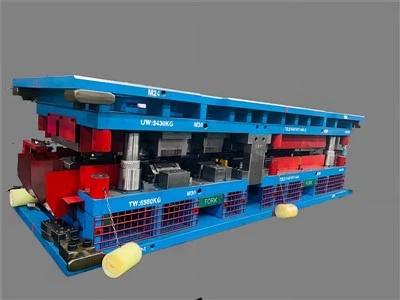
As a stamping die supplier, I've witnessed firsthand the critical role that the storage environment plays in maintaining the quality and longevity of stamping dies. Stamping dies are precision tools used in the manufacturing industry to shape and cut metal sheets into various forms. These dies are expensive to produce and require proper care to ensure they remain in optimal condition. In this blog post, I'll discuss the key requirements for the stamping die storage environment.
Temperature Control
One of the most important factors in stamping die storage is temperature control. Extreme temperatures can cause the metal in the dies to expand or contract, leading to warping, cracking, or other forms of damage. For most stamping dies, the ideal storage temperature ranges between 18°C and 22°C (64°F and 72°F). This temperature range helps to maintain the structural integrity of the die and prevents thermal stress.
In addition to maintaining a consistent temperature, it's also important to avoid rapid temperature changes. Sudden shifts in temperature can cause condensation to form on the surface of the die, which can lead to rust and corrosion. To prevent this, storage facilities should be equipped with climate control systems that can regulate the temperature and humidity levels.
Humidity Management
Humidity is another critical factor in stamping die storage. High humidity levels can cause moisture to accumulate on the surface of the die, leading to rust and corrosion. On the other hand, low humidity levels can cause the metal to dry out and become brittle. The ideal humidity level for stamping die storage is between 40% and 60%.
To manage humidity levels, storage facilities should be equipped with dehumidifiers or humidifiers, depending on the local climate. Dehumidifiers are used to remove excess moisture from the air, while humidifiers are used to add moisture when the air is too dry. Regular monitoring of humidity levels is essential to ensure that they remain within the recommended range.
Cleanliness and Dust Control
Stamping dies are precision tools that require a clean storage environment. Dust, dirt, and other contaminants can accumulate on the surface of the die, causing scratches, abrasions, and other forms of damage. To prevent this, storage facilities should be kept clean and free of debris.
Regular cleaning of the storage area is essential to maintain a clean environment. This includes sweeping, mopping, and dusting the floors, shelves, and other surfaces. In addition, the dies themselves should be cleaned regularly to remove any dirt or debris that may have accumulated on their surface. This can be done using a soft brush or a clean, dry cloth.
Protection from Physical Damage
Stamping dies are heavy and fragile tools that require proper protection from physical damage. During storage, the dies should be stored in a way that prevents them from coming into contact with other objects. This can be done by using dedicated storage racks or cabinets that are designed to hold the dies securely.
In addition, the dies should be protected from impacts and vibrations. This can be achieved by using shock-absorbing materials, such as foam or rubber, to cushion the dies during storage and transportation. It's also important to handle the dies with care to avoid dropping or mishandling them.
Organization and Inventory Management
Proper organization and inventory management are essential for efficient stamping die storage. Each die should be labeled with a unique identifier that includes information such as the die number, part number, and date of manufacture. This makes it easy to locate the dies when they are needed.
In addition, an inventory management system should be implemented to keep track of the dies. This system should include information such as the location of the die, its condition, and the date of its last inspection. Regular audits of the inventory should be conducted to ensure that all dies are accounted for and in good condition.
Protection from Chemical Exposure
Stamping dies can be damaged by exposure to chemicals, such as solvents, acids, and alkalis. These chemicals can cause corrosion, pitting, and other forms of damage to the surface of the die. To prevent this, storage facilities should be kept free of chemicals and other hazardous materials.
If chemicals need to be used in the vicinity of the storage area, proper precautions should be taken to ensure that the dies are protected. This may include using protective covers or barriers to prevent the chemicals from coming into contact with the dies.
Regular Inspection and Maintenance
Regular inspection and maintenance are essential for ensuring the longevity of stamping dies. Dies should be inspected regularly to check for any signs of wear, damage, or corrosion. Any issues that are identified during the inspection should be addressed immediately to prevent further damage.
In addition to regular inspections, stamping dies should also be maintained according to the manufacturer's recommendations. This may include lubrication, sharpening, and other forms of maintenance. Proper maintenance helps to ensure that the dies remain in optimal condition and perform at their best.

Conclusion
In conclusion, the storage environment plays a crucial role in maintaining the quality and longevity of stamping dies. Temperature control, humidity management, cleanliness, protection from physical damage, organization, protection from chemical exposure, and regular inspection and maintenance are all key requirements for the stamping die storage environment.
As a stamping die supplier, I understand the importance of providing our customers with high-quality dies that are stored in optimal conditions. By following these requirements, we can ensure that our dies remain in excellent condition and provide our customers with the best possible performance.
If you're in the market for stamping dies or need advice on stamping die storage, I encourage you to contact us for a consultation. Our team of experts is here to help you find the right solutions for your needs. Whether you're looking for transfer die stamping or other types of stamping dies, we have the knowledge and experience to meet your requirements.
References
- American Die & Mold, Inc. "Best Practices for Die Storage."
- Die and Mold Technology. "Proper Die Storage: Key to Longevity and Performance."
- Precision Metalforming Association. "Stamping Die Maintenance and Storage Guidelines."