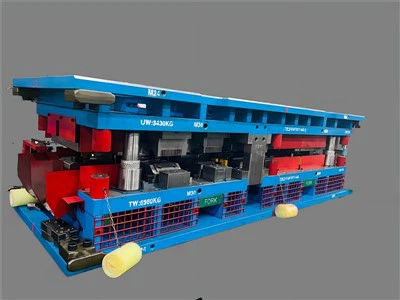
Hey there! As a supplier of Punch Riveting Dies, I often get asked about the requirements for the flatness of the workbench when using these dies. In this blog post, I'll share my insights on this topic based on my years of experience in the industry.
First off, let's understand why the flatness of the workbench matters so much. When you're using a punch riveting die, the die needs to be in perfect alignment with the workpiece. Any unevenness in the workbench can cause the die to tilt or shift during the riveting process. This can lead to a whole bunch of problems, like misaligned rivets, inconsistent rivet quality, and even damage to the die itself.
So, what are the specific requirements for the flatness of the workbench? Well, it really depends on the type of punch riveting die you're using and the precision requirements of your project.
For general-purpose punch riveting dies, a workbench flatness tolerance of around ±0.05 mm per meter is usually acceptable. This level of flatness ensures that the die can operate smoothly and produce consistent results. But if you're working on a project that requires high precision, like aerospace or medical device manufacturing, you'll need a much flatter workbench. In these cases, a flatness tolerance of ±0.01 mm per meter or even less might be necessary.
To achieve the required flatness, you need to start with a high - quality workbench. Look for workbenches made from materials that are known for their stability and low thermal expansion, such as granite or cast iron. Granite workbenches are great because they're extremely hard and have excellent flatness retention over time. Cast iron workbenches are also a popular choice due to their good damping properties, which can help reduce vibrations during the riveting process.
Once you have the right workbench, you'll need to regularly check and maintain its flatness. You can use a precision straightedge or a laser flatness measuring device to check the flatness of the workbench surface. If you find any deviations, you might need to have the workbench re - machined or adjusted.
Another important factor to consider is the installation of the workbench. Make sure the workbench is installed on a stable foundation. Uneven flooring can cause the workbench to warp over time, affecting its flatness. Use shims or leveling feet to ensure that the workbench is perfectly level during installation.
Now, let's talk about how the flatness requirements relate to different types of punch riveting dies. For example, if you're using a Prototype Die, which is often used for testing and small - scale production, the flatness requirements might be slightly more forgiving. However, even for prototype dies, maintaining a reasonable level of flatness is crucial to ensure accurate testing results.
On the other hand, Compound Tool And Progressive Tool dies are used for high - volume production. These dies are more complex and require a higher level of precision. A workbench with a tighter flatness tolerance is essential to ensure the long - term performance and accuracy of these dies.
Furniture Hardware Stamping Die is another type of punch riveting die. While the precision requirements for furniture hardware might not be as high as those for aerospace or medical applications, a flat workbench is still necessary to ensure the proper assembly and quality of the furniture hardware.
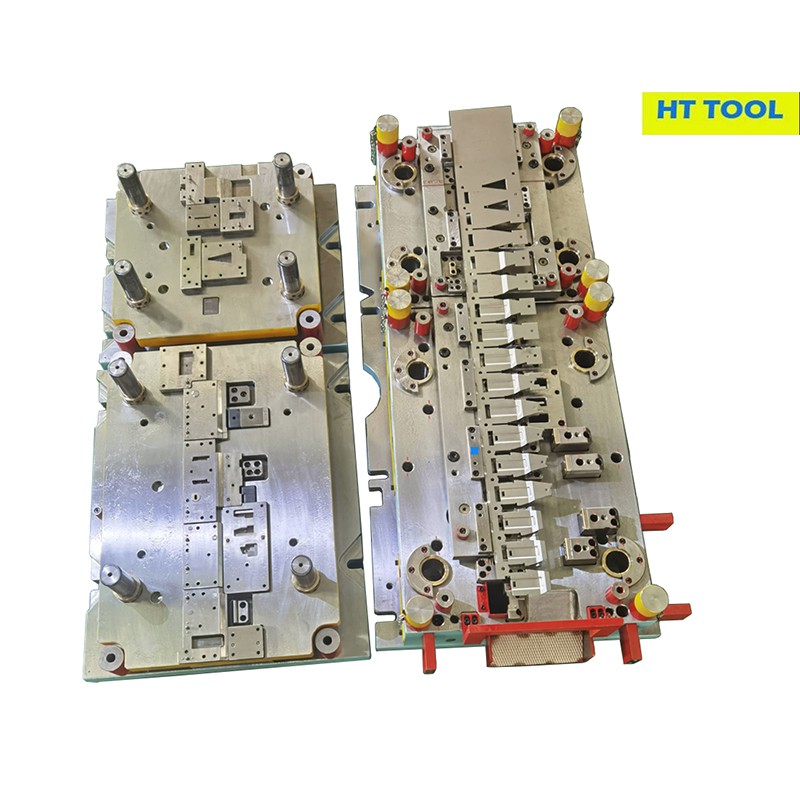

In addition to flatness, you also need to consider the surface finish of the workbench. A smooth surface finish can reduce friction between the die and the workbench, which helps in the smooth operation of the die. Aim for a surface finish with a roughness value (Ra) of around 0.8 - 1.6 micrometers.
When it comes to handling and storing the punch riveting dies, make sure you do it carefully. Avoid dropping or hitting the dies, as this can cause them to become misaligned or damaged. Also, store the dies in a clean and dry environment to prevent corrosion and other forms of damage.
Finally, I want to encourage you to get in touch if you're interested in purchasing punch riveting dies. Whether you're a small - scale manufacturer or a large - scale production facility, we can provide you with high - quality dies that meet your specific requirements. If you have any questions about the flatness requirements or any other aspects of using punch riveting dies, feel free to reach out. We're here to help you make the most of your riveting operations.
References
- "Metal Stamping Handbook", by Peter Ulintz
- "Precision Manufacturing Technology", various industry research papers