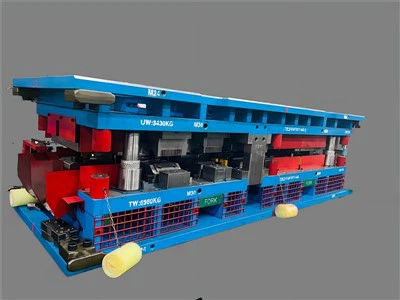
As a seasoned supplier of Auto Bracket Parts, I've witnessed firsthand the distinct characteristics and applications of cast and machined auto bracket parts. In the automotive industry, brackets play a crucial role in supporting various components, ensuring the proper functioning and safety of vehicles. Understanding the differences between cast and machined bracket parts is essential for both manufacturers and consumers to make informed decisions.
Manufacturing Processes
Casting
Casting is a manufacturing process where molten metal is poured into a mold cavity and allowed to solidify. There are several casting methods used for auto bracket parts, including sand casting, die casting, and investment casting. Sand casting is a versatile and cost - effective method suitable for producing large - scale and complex - shaped brackets. Die casting, on the other hand, offers high precision and excellent surface finish, making it ideal for mass - producing small to medium - sized brackets with tight tolerances. Investment casting is often used for producing brackets with intricate details and high - quality surface finishes.
One of the main advantages of casting is its ability to create complex geometries that would be difficult or impossible to achieve through machining. For example, brackets with internal cavities or undercuts can be easily cast. Casting also allows for the use of a wide range of metals, including aluminum, steel, and magnesium, depending on the specific requirements of the application.


Machining
Machining is a subtractive manufacturing process that involves removing material from a workpiece to achieve the desired shape and dimensions. Common machining operations for auto bracket parts include turning, milling, drilling, and grinding. Machining starts with a solid block of metal, which is then shaped using various cutting tools.
Machining offers high precision and accuracy, making it suitable for producing brackets with tight dimensional tolerances. It can also achieve very smooth surface finishes, which are important for applications where low friction or aesthetic appeal is required. Additionally, machining allows for quick design changes, as it doesn't require the creation of expensive molds like casting does.
Material Properties
Cast Parts
The material properties of cast auto bracket parts can vary depending on the casting method and the type of metal used. Cast parts often have a more uniform grain structure compared to machined parts, which can result in better mechanical properties in some cases. For example, cast aluminum brackets can have good corrosion resistance and high strength - to - weight ratio, making them suitable for use in automotive applications where weight reduction is a priority.
However, cast parts may also have some inherent defects, such as porosity or inclusions, which can affect their mechanical properties. Porosity, in particular, can reduce the strength and fatigue life of the bracket. These defects need to be carefully controlled during the casting process to ensure the quality of the final product.
Machined Parts
Machined parts are typically made from solid metal blocks, which generally have a more consistent material composition compared to cast parts. Machined steel brackets, for instance, can have excellent tensile strength and hardness, making them suitable for applications where high load - bearing capacity is required.
Since machining involves removing material from a solid block, it can expose the internal structure of the metal, which may affect its surface properties. However, proper machining techniques and post - processing treatments can be used to enhance the surface hardness and wear resistance of machined parts.
Cost Considerations
Casting
The initial tooling cost for casting can be quite high, especially for die casting and investment casting. The creation of molds requires specialized equipment and expertise, and the cost can be a significant barrier for small - scale production. However, once the molds are created, the per - part cost for casting can be relatively low, especially for high - volume production. This makes casting a cost - effective option for mass - producing auto bracket parts.
Machining
Machining generally has lower initial setup costs compared to casting, as it doesn't require the creation of molds. However, the per - part cost for machining can be higher, especially for complex parts that require multiple machining operations. Machining also consumes more material, as it involves removing a significant amount of metal from the workpiece, which can increase the overall cost.
Design Flexibility
Cast Parts
Casting offers high design flexibility in terms of shape and complexity. As mentioned earlier, it can create parts with internal cavities, undercuts, and other complex geometries that are difficult to machine. This makes casting an ideal choice for designing innovative and lightweight bracket designs. For example, some automotive manufacturers are using cast brackets with optimized internal structures to reduce weight without sacrificing strength.
Machined Parts
While machining is limited in terms of the complexity of shapes it can produce compared to casting, it offers more flexibility in terms of design changes. Since machining doesn't rely on molds, design modifications can be made quickly and easily. This is particularly useful for prototyping and small - batch production, where rapid design iteration is often required.
Surface Finish and Tolerances
Cast Parts
The surface finish of cast parts can vary depending on the casting method and the quality of the mold. Sand - cast parts typically have a rougher surface finish compared to die - cast or investment - cast parts. However, post - casting processes such as grinding or polishing can be used to improve the surface finish.
In terms of tolerances, cast parts can generally achieve moderate tolerances, but they may not be as precise as machined parts. The shrinkage that occurs during the solidification process in casting can also affect the dimensional accuracy of the part.
Machined Parts
Machined parts can achieve very high - precision tolerances and smooth surface finishes. Modern machining centers are capable of holding tolerances within a few micrometers, which is essential for applications where precise fit and alignment are required. The surface finish of machined parts can be controlled by adjusting the cutting parameters and using appropriate cutting tools.
Applications
Cast Parts
Cast auto bracket parts are commonly used in applications where complex shapes, high production volumes, and cost - effectiveness are important. For example, cast aluminum brackets are widely used in engine components, such as mounting brackets for alternators and air conditioning compressors. Cast steel brackets are often used in suspension systems, where high strength and durability are required.
Machined Parts
Machined auto bracket parts are preferred in applications where high precision, tight tolerances, and quick design changes are necessary. Machined brackets are commonly used in steering systems, brake systems, and electronic components, where precise alignment and smooth operation are critical.
Conclusion
In conclusion, both cast and machined auto bracket parts have their own unique advantages and disadvantages. Cast parts are well - suited for high - volume production of complex - shaped brackets, while machined parts are ideal for applications requiring high precision and quick design changes. As a supplier of Auto Bracket Parts, we offer a wide range of cast and machined brackets to meet the diverse needs of our customers.
If you are in the market for high - quality auto bracket parts, whether it's cast or machined, we'd love to discuss your specific requirements. We have the expertise and experience to provide you with the best solutions for your automotive applications. For more information about our manufacturing capabilities, you can visit our websites on Progressive Metal Stamping, Sheet Metal Progressive Tool Design, and Transfer Die.
If you're interested in purchasing our auto bracket parts, please don't hesitate to contact us to start a procurement discussion. We look forward to working with you to meet your automotive needs.
References
- "Manufacturing Engineering & Technology" by Serope Kalpakjian and Steven Schmid
- "Automotive Engineering: Fundamentals, Technologies, and Trends" by Marco Crolla
- Industry reports on automotive bracket manufacturing