As a trusted Auto Bracket Parts supplier, I understand the importance of a seamless installation process that doesn't cause harm to other components. Installing auto bracket parts correctly is not only crucial for the proper functioning of the brackets themselves but also for the overall integrity and safety of the vehicle. In this blog, I'll share some professional insights and practical tips on how to achieve this goal.
Preparation is Key
Before you start the installation process, thorough preparation is essential. First, gather all the necessary tools. This typically includes wrenches, sockets, screwdrivers, and a torque wrench. Having the right tools on hand will make the installation smoother and reduce the risk of damage.
Next, carefully inspect the auto bracket parts and the areas where they will be installed. Check the bracket for any signs of damage, such as cracks or deformities. Also, examine the mounting points on the vehicle to ensure they are clean, free of debris, and in good condition. If there are any rusty or corroded areas, it's advisable to clean and treat them before proceeding.


It's also a good idea to refer to the vehicle's service manual. The manual will provide detailed instructions on the installation process, including the correct torque specifications for the bolts and screws. Following these specifications is critical to prevent over - or under - tightening, which can lead to damage to the bracket or other components.
Handling the Bracket Parts
When handling auto bracket parts, always use proper lifting and carrying techniques. Bracket parts can be heavy and awkward to handle, so it's important to avoid dropping or banging them against other components. Hold the bracket firmly but gently, and try to keep it in a stable position.
If the bracket has any delicate or protruding parts, take extra care to protect them. For example, some brackets may have sensors or electrical connections attached. Make sure to keep these parts away from sharp objects or excessive force.
Alignment and Positioning
Accurate alignment and positioning of the auto bracket parts are vital. Incorrect alignment can put stress on the bracket and other components, leading to premature wear and damage.
Start by placing the bracket in the approximate position where it will be installed. Use the mounting holes as a guide to ensure proper alignment. If necessary, use alignment tools such as a straightedge or a laser alignment device to achieve precise positioning.
Once the bracket is roughly in place, insert the bolts or screws through the mounting holes. Do not fully tighten them at this stage. Instead, finger - tighten them to hold the bracket in position while you make any final adjustments.
Installing the Bracket
When installing the bolts and screws, it's important to follow a specific tightening sequence. This sequence is usually provided in the vehicle's service manual. Generally, you should start by tightening the bolts or screws in a diagonal pattern to ensure even distribution of the load.
Use a torque wrench to tighten the bolts and screws to the specified torque. Over - tightening can cause the threads to strip, damage the bracket, or even crack the surrounding components. Under - tightening, on the other hand, can result in the bracket becoming loose over time, which can also lead to damage.
After tightening the bolts and screws, double - check the alignment and positioning of the bracket. Make sure it is securely attached and there is no movement or play.
Protecting Other Components
During the installation process, it's important to protect other components from damage. One way to do this is by using protective covers or shields. For example, if you are working near a sensitive electrical component, you can use a plastic shield to prevent any accidental contact.
If you need to use tools such as wrenches or sockets, make sure they are the correct size and shape for the job. Using the wrong tool can slip and damage other components. Also, be careful not to scratch or dent the surrounding surfaces.
Testing and Inspection
Once the auto bracket parts are installed, it's important to perform a thorough test and inspection. Start by checking the operation of the components that are attached to the bracket. For example, if the bracket is supporting a suspension component, check for proper movement and alignment.
Inspect the bracket itself for any signs of damage or stress. Look for cracks, bends, or any other visible defects. Also, check the tightness of the bolts and screws to ensure they have not loosened during the installation process.
If everything looks good, take the vehicle for a short test drive. Pay attention to any unusual noises or vibrations, which could indicate a problem with the bracket installation.
The Role of Quality Bracket Parts
Using high - quality auto bracket parts is essential for a successful installation. At our company, we take pride in providing top - notch bracket parts that are manufactured to the highest standards. Our parts are made from high - strength materials and are designed to withstand the rigors of daily use.
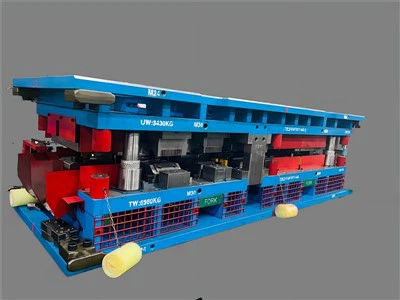
We use advanced manufacturing techniques such as Casting Progressive Die and Progressive casting die to ensure the precision and quality of our products. Our Automotive Metal Stamping Die technology allows us to produce brackets with accurate dimensions and smooth surfaces, which makes the installation process much easier and more reliable.
Contact Us for Your Bracket Needs
If you are in the market for high - quality auto bracket parts, we are here to help. Our team of experts can provide you with the right advice and support to ensure a successful installation. Whether you are a professional mechanic or a DIY enthusiast, we have the products and knowledge to meet your needs.
We offer a wide range of auto bracket parts for different makes and models of vehicles. Our parts are competitively priced, and we strive to provide excellent customer service.
To learn more about our products or to discuss your specific requirements, please feel free to contact us. We look forward to working with you and helping you install auto bracket parts without damaging other components.
References
- Automotive Service Excellence (ASE) Training Materials
- Vehicle Manufacturer Service Manuals
- Industry Standards for Auto Bracket Manufacturing and Installation