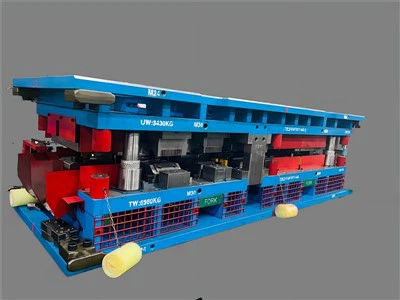
Hey there! As a punch riveting die supplier, I often get asked about the lubrication requirements for these dies. It's a crucial topic because proper lubrication can significantly impact the performance, lifespan, and quality of the punching and riveting operations. So, let's dive right in and explore what you need to know about lubricating punch riveting dies.
Why Lubrication Matters
First off, why is lubrication so important for punch riveting dies? Well, think about it. When a punch and die work together to create a riveted joint, there's a lot of friction and heat generated. Without proper lubrication, this friction can lead to excessive wear and tear on the die components. The punches can dull quickly, and the dies can develop cracks or other damage. This not only shortens the lifespan of the dies but also affects the quality of the riveted joints.
Lubrication also helps to reduce the force required for the punching and riveting process. By reducing friction, the punches can move more smoothly through the material, which means less stress on the equipment and a more consistent riveting operation. This can lead to better quality joints, fewer rejects, and increased productivity.
Types of Lubricants
There are several types of lubricants that can be used for punch riveting dies, and each has its own advantages and disadvantages.


Oil-Based Lubricants
Oil-based lubricants are one of the most common types used in punch riveting operations. They offer excellent lubrication properties, which can help to reduce friction and wear. They also have good heat dissipation capabilities, which is important for preventing overheating of the dies.
However, oil-based lubricants can be messy. They can leave residue on the parts and the equipment, which may require additional cleaning. They can also be a fire hazard if not properly managed, so it's important to follow safety procedures when using them.
Water-Based Lubricants
Water-based lubricants are a more environmentally friendly option. They are less messy than oil-based lubricants and are easier to clean up. They also have good cooling properties, which can help to prevent heat buildup in the dies.
On the downside, water-based lubricants may not provide as much lubrication as oil-based ones, especially in high-pressure applications. They can also be more prone to evaporation, which means they may need to be reapplied more frequently.
Solid Lubricants
Solid lubricants, such as graphite or molybdenum disulfide, can also be used for punch riveting dies. These lubricants are often applied as a coating on the die surfaces. They offer good lubrication and can withstand high temperatures and pressures.
However, solid lubricants can be more difficult to apply evenly, and they may not provide as much continuous lubrication as liquid lubricants. They also need to be reapplied periodically as they wear off.
Lubrication Application Methods
Once you've chosen the right lubricant for your punch riveting dies, the next step is to apply it correctly. There are several methods that can be used, depending on the type of lubricant and the specific application.
Flood Lubrication
Flood lubrication involves applying a large amount of lubricant to the die and the workpiece. This method is often used with oil-based lubricants and can provide excellent lubrication coverage. However, it can also be wasteful and messy, and it may require additional equipment to collect and recycle the excess lubricant.
Spray Lubrication
Spray lubrication is a more precise method of applying lubricant. It involves using a spray gun or nozzle to apply a fine mist of lubricant to the die surfaces. This method can be used with both oil-based and water-based lubricants and can provide good lubrication while minimizing waste.
Brush or Roller Application
For smaller dies or applications where a more targeted approach is needed, a brush or roller can be used to apply the lubricant. This method allows for more control over the amount and location of the lubricant application.
Lubrication Frequency
The frequency of lubrication depends on several factors, including the type of lubricant used, the operating conditions, and the material being punched and riveted. In general, it's a good idea to lubricate the dies before each use or at regular intervals during a production run.
If you're using a water-based lubricant, you may need to reapply it more frequently, especially if the operation generates a lot of heat or if the lubricant evaporates quickly. Oil-based lubricants may not need to be reapplied as often, but it's still important to monitor the lubrication levels and add more as needed.
Considerations for Different Materials
The material being punched and riveted can also affect the lubrication requirements. Different materials have different friction coefficients and heat generation characteristics, which means they may require different types of lubricants or lubrication methods.
For example, when working with aluminum, a lubricant with good anti-corrosion properties is often recommended. Aluminum is prone to oxidation, and a lubricant that can protect the die surfaces from corrosion can help to extend the lifespan of the dies.
When working with high-strength steels, a lubricant that can withstand high pressures and temperatures is usually needed. These materials can generate a lot of heat during the punching and riveting process, and a lubricant with good heat dissipation capabilities can help to prevent overheating and damage to the dies.
Conclusion
In conclusion, proper lubrication is essential for the optimal performance of punch riveting dies. By choosing the right lubricant, applying it correctly, and lubricating at the right frequency, you can reduce wear and tear on the dies, improve the quality of the riveted joints, and increase productivity.
If you're in the market for punch riveting dies or need more information about lubrication requirements, feel free to reach out. We're here to help you find the best solutions for your punching and riveting needs. You can also check out our other products like Progressive Tool Sheet Metal, Progressive Sheet Metal Dies, and Compound Tool And Progressive Tool.
Let's start a conversation and see how we can work together to make your punching and riveting operations more efficient and cost-effective.
References
- "Metal Forming Lubrication Handbook"
- "Stamping Die Design and Manufacturing"