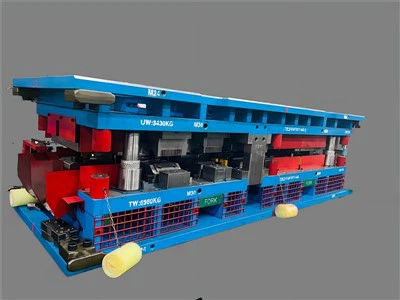
As a supplier of single casting dies, understanding the energy consumption characteristics of these dies is crucial for both our company and our customers. In this blog, we will delve into the various aspects of energy consumption in single casting dies, exploring the factors that influence it and how we can optimize energy usage to improve efficiency and reduce costs.
Energy Consumption in the Casting Process
The casting process is energy - intensive, and single casting dies play a significant role in this energy expenditure. The energy consumption can be broadly divided into two main categories: thermal energy and mechanical energy.
Thermal Energy
Thermal energy is essential in the casting process as it is used to melt the metal and maintain the appropriate temperature for casting. The amount of thermal energy required depends on several factors.
Firstly, the type of metal being cast is a major determinant. Different metals have different melting points. For example, aluminum has a relatively low melting point of around 660°C, while steel can have a melting point ranging from 1370°C to 1530°C. Higher melting point metals require more energy to reach the molten state.
Secondly, the mass of the metal to be cast also affects thermal energy consumption. A larger casting will need more energy to heat up the metal to the required temperature. Our single casting dies are designed to be as precise as possible, reducing the amount of excess metal needed for the casting, which in turn helps to save thermal energy.
The heating method also plays a role. Induction heating is a commonly used method in the casting industry. It offers high efficiency as it directly heats the metal, minimizing heat loss. However, the initial investment in induction heating equipment can be high. On the other hand, gas - fired furnaces are more cost - effective in terms of equipment purchase but may have lower energy efficiency due to heat loss through exhaust gases.
Mechanical Energy
Mechanical energy is used in the operation of the casting equipment, such as the injection or pouring of the molten metal into the die, and the opening and closing of the die. The force required for these operations depends on the size and complexity of the die.
Larger dies generally require more mechanical energy to operate. For example, a die for a large automotive component will need a more powerful hydraulic or mechanical press to open and close it compared to a die for a small, simple part. Additionally, the complexity of the die design can increase the mechanical energy consumption. Dies with intricate shapes may require more precise and forceful operations to ensure proper filling and ejection of the casting.
Factors Affecting Energy Consumption in Single Casting Dies
Die Design
The design of the single casting die has a profound impact on energy consumption. A well - designed die can minimize the amount of energy needed for both thermal and mechanical operations.
A die with proper gating and runner systems can ensure efficient filling of the die cavity with molten metal. This reduces the need for excessive pressure during the injection process, thereby saving mechanical energy. Moreover, a good gating design can also help in reducing the amount of metal waste, which in turn saves thermal energy as less metal needs to be melted.
The insulation of the die is another important aspect of design. Insulating the die can reduce heat loss during the casting process, allowing the molten metal to maintain its temperature with less additional heating. This helps to save thermal energy.
Die Material
The choice of die material can affect energy consumption. Materials with high thermal conductivity can transfer heat more efficiently during the casting process. For example, copper - based alloys have high thermal conductivity, which can help in rapid cooling of the casting. This reduces the overall cycle time of the casting process, leading to energy savings.
However, materials with high thermal conductivity may also require more energy to heat up initially. Therefore, a balance needs to be struck between the thermal conductivity and the heat - up requirements of the die material.
Process Parameters
Process parameters such as casting temperature, injection speed, and holding pressure also influence energy consumption. The casting temperature needs to be carefully controlled. If the temperature is too high, more thermal energy is wasted, and there may also be an increased risk of defects in the casting. On the other hand, if the temperature is too low, the metal may not flow properly, leading to incomplete filling of the die cavity and potentially requiring additional energy for re - casting.
The injection speed and holding pressure need to be optimized. A high injection speed may require more mechanical energy, but it can also reduce the cycle time. Similarly, an appropriate holding pressure ensures proper compaction of the casting without using excessive energy.
Strategies for Reducing Energy Consumption
Energy - Efficient Die Design
We, as a single casting die supplier, focus on developing energy - efficient die designs. Our engineers use advanced simulation software to optimize the gating, runner, and cooling systems of the dies. By simulating the casting process, we can identify potential areas of energy waste and make design modifications to improve efficiency.
For example, we can design dies with balanced gating systems that ensure uniform filling of the die cavity with minimal pressure. This reduces the mechanical energy required for the injection process. We also pay attention to the insulation of the dies, using high - quality insulation materials to minimize heat loss.
Process Optimization
We work closely with our customers to optimize the casting process parameters. Through trial runs and data analysis, we can determine the optimal casting temperature, injection speed, and holding pressure for each specific application.
For instance, we may recommend a slightly lower casting temperature for certain metals if it does not compromise the quality of the casting. This can result in significant thermal energy savings. We also help our customers to adjust the injection speed and holding pressure to achieve the best balance between cycle time and energy consumption.
Equipment Upgrades
In some cases, upgrading the casting equipment can lead to energy savings. For example, replacing an old, inefficient furnace with a new, high - efficiency induction furnace can reduce thermal energy consumption. Similarly, upgrading the press used for die operation to a more energy - efficient model can save mechanical energy.
We can provide our customers with advice on suitable equipment upgrades based on their specific casting requirements. Our goal is to help them make cost - effective decisions that will result in long - term energy savings.
Related Products and Their Energy Consumption
In addition to single casting dies, we also offer other related products such as Sheet Metal Progressive Tool, Progressive Metal Stamping, and Automotive Progressive Die.
These products also have their own energy consumption characteristics. Sheet metal progressive tools and progressive metal stamping processes mainly consume mechanical energy. The energy consumption depends on the size of the sheet metal, the complexity of the stamping operations, and the speed of the stamping press.


Automotive progressive dies, which are used for high - volume production of automotive components, also require a significant amount of energy. However, through proper design and process optimization, the energy consumption of these products can be minimized.
Conclusion
Understanding the energy consumption characteristics of single casting dies is essential for improving the efficiency of the casting process and reducing costs. As a single casting die supplier, we are committed to developing energy - efficient dies, optimizing the casting process, and providing our customers with the best solutions for energy savings.
If you are interested in our single casting dies or other related products, and want to learn more about how we can help you reduce energy consumption in your casting operations, please feel free to contact us for procurement and further discussions. We look forward to working with you to achieve more sustainable and cost - effective casting solutions.
References
- Campbell, J. (2003). Casting. Butterworth - Heinemann.
- Flemings, M. C. (1974). Solidification Processing. McGraw - Hill.
- Incropera, F. P., & DeWitt, D. P. (2001). Fundamentals of Heat and Mass Transfer. John Wiley & Sons.