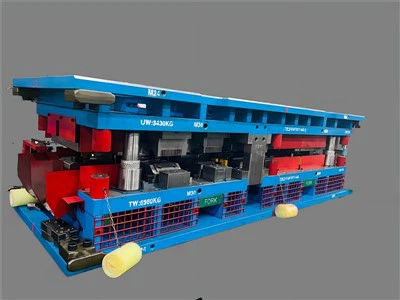
Automation has been a driving force in various industries, and the automotive tooling sector is no exception. As an automotive tooling supplier, I've witnessed firsthand the profound effects that automation has had on our industry. In this blog, I'll delve into the impacts of automation on automotive tooling jobs, exploring both the challenges and opportunities it presents.
Positive Effects of Automation on Automotive Tooling Jobs
Increased Efficiency and Productivity
One of the most significant benefits of automation in automotive tooling is the substantial increase in efficiency and productivity. Automated systems can perform repetitive tasks with a high degree of precision and speed, far surpassing human capabilities. For example, in the production of single casting die, automated machinery can handle the casting process with consistent quality, reducing the time required for each production cycle. This not only allows us to meet higher production demands but also enables us to deliver products to our customers more quickly.
Enhanced Quality Control
Automation plays a crucial role in improving quality control in automotive tooling. Automated inspection systems can detect even the slightest defects in tooling components, ensuring that only high - quality products reach the market. These systems use advanced sensors and imaging technology to measure dimensions, detect surface flaws, and verify material properties. By minimizing human error in the inspection process, we can provide our customers with more reliable and durable Steel sheet progressive die and other tooling products.
Skill Development and New Job Opportunities
Contrary to the common belief that automation eliminates jobs, it actually creates new opportunities for workers in the automotive tooling industry. As automation becomes more prevalent, there is a growing demand for skilled workers who can operate, maintain, and program automated systems. For instance, technicians with expertise in robotics, CNC programming, and automation control are highly sought after. Additionally, automation has led to the emergence of new roles in areas such as data analysis and process optimization. Workers can now focus on more complex and creative tasks, such as Sheet Metal Progressive Tool Design, where human creativity and problem - solving skills are still essential.
Cost Reduction
Automation can lead to significant cost savings in the long run. Although the initial investment in automated equipment can be substantial, the reduction in labor costs, waste, and rework can offset these expenses over time. Automated systems can operate continuously without breaks, reducing the need for multiple shifts of workers. Moreover, by improving the accuracy of production processes, we can minimize material waste, which in turn reduces raw material costs. These cost savings allow us to offer more competitive pricing to our customers, making our automotive tooling products more attractive in the market.
Negative Effects of Automation on Automotive Tooling Jobs
Job Displacement
One of the most obvious negative impacts of automation is job displacement. Some routine and repetitive tasks in automotive tooling, such as simple machining operations and basic assembly work, are being automated. Workers who perform these tasks may find themselves out of a job as companies replace human labor with machines. This can be particularly challenging for workers with limited skills or those who have been in the industry for a long time and are not familiar with new technologies.
Skills Gap
The rapid pace of automation has created a significant skills gap in the automotive tooling industry. Many existing workers may not have the necessary skills to operate and maintain automated systems. As a result, companies are facing difficulties in finding qualified employees to fill the new roles created by automation. This skills gap can slow down the adoption of new technologies and limit the industry's ability to fully realize the benefits of automation.
Dependency on Technology
Automation also makes the automotive tooling industry more dependent on technology. Any breakdown or malfunction in automated systems can disrupt production processes and cause significant delays. Moreover, as the technology becomes more complex, it requires specialized knowledge and expertise to troubleshoot and repair. This means that companies need to invest in training their employees or rely on external experts, which can add to the overall cost of production.


Social and Psychological Impact
Job displacement due to automation can have a profound social and psychological impact on workers. Losing a job can lead to financial stress, loss of self - esteem, and social isolation. In addition, the transition to new roles and the need to learn new skills can be stressful for workers, especially those who are not accustomed to change. This can have a negative impact on the well - being of workers and their families, as well as on the overall social fabric of the communities where automotive tooling companies are located.
Strategies to Mitigate the Negative Effects
Training and Education
To address the skills gap, companies and educational institutions need to work together to provide training and education programs for workers. These programs should focus on developing the skills required to operate, maintain, and program automated systems, such as robotics, CNC machining, and automation control. By investing in the training of their employees, companies can ensure a smooth transition to an automated workplace and retain their valuable workforce.
Career Transition Support
For workers who are at risk of job displacement, career transition support is essential. This can include providing job counseling, retraining opportunities, and assistance in finding new employment. Companies can also explore options such as job sharing, part - time work, or early retirement programs to help workers ease into the transition.
Diversification of the Workforce
Automotive tooling companies can also diversify their workforce by hiring workers with different backgrounds and skills. This can include workers with experience in technology, engineering, and data analysis, as well as those with traditional manufacturing skills. By having a diverse workforce, companies can better adapt to the changing demands of the industry and take advantage of the opportunities presented by automation.
Conclusion
Automation has had a profound impact on automotive tooling jobs, bringing both opportunities and challenges. While it has increased efficiency, productivity, and quality in the industry, it has also led to job displacement, skills gaps, and other negative effects. As an automotive tooling supplier, we need to embrace automation as a necessary part of the industry's evolution while also taking steps to mitigate its negative impacts. By investing in training and education, providing career transition support, and diversifying our workforce, we can ensure that our employees are well - equipped to thrive in an automated workplace.
If you're in the market for high - quality automotive tooling products, we invite you to reach out to us for a purchase consultation. Our team of experts is ready to assist you in finding the right solutions for your specific needs.
References
- Bughin, J., Chui, M., & Manyika, J. (2018). A future that works: automation, employment, and productivity. McKinsey Global Institute.
- Brynjolfsson, E., & McAfee, A. (2014). The second machine age: work, progress, and prosperity in a time of brilliant technologies. W. W. Norton & Company.
- Autor, D. H. (2015). Why are there still so many jobs? The history and future of workplace automation. Journal of Economic Perspectives, 29(3), 3 - 30.