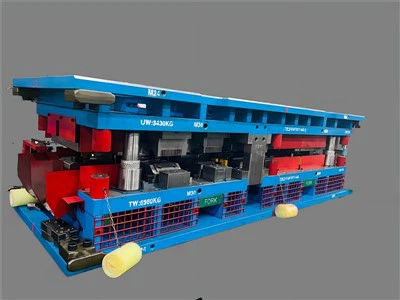
High speed stamping is a manufacturing process that involves the rapid production of metal parts by pressing a sheet of metal between a punch and a die. This process is widely used in various industries, including automotive, electronics, and aerospace, due to its high efficiency and precision. As a high speed stamping supplier, I often receive inquiries about the materials that can be used in this process. In this blog post, I will discuss some of the commonly used materials in high speed stamping and their characteristics.
Steel
Steel is one of the most widely used materials in high speed stamping due to its excellent mechanical properties and availability. There are several types of steel that can be used, including carbon steel, alloy steel, and stainless steel.
- Carbon Steel: Carbon steel is a type of steel that contains carbon as the main alloying element. It is known for its high strength, hardness, and wear resistance. Mild carbon steel, which has a low carbon content (less than 0.3%), is often used for applications that require good formability and weldability. Medium carbon steel (0.3 - 0.6% carbon) and high carbon steel (more than 0.6% carbon) are used for applications that require higher strength and hardness, such as automotive parts and tools.
- Alloy Steel: Alloy steel is a type of steel that contains one or more alloying elements, such as chromium, nickel, molybdenum, and vanadium, in addition to carbon. These alloying elements improve the steel's mechanical properties, such as strength, toughness, and corrosion resistance. Alloy steel is often used in high speed stamping applications that require high strength and durability, such as aerospace components and automotive engine parts.
- Stainless Steel: Stainless steel is a type of steel that contains at least 10.5% chromium, which gives it excellent corrosion resistance. It is also known for its high strength, hardness, and aesthetic appeal. Stainless steel is commonly used in high speed stamping applications that require corrosion resistance, such as kitchenware, medical devices, and electronic enclosures.
Aluminum
Aluminum is another popular material in high speed stamping due to its low density, high strength-to-weight ratio, and excellent corrosion resistance. It is also easy to form and has good thermal conductivity. There are several types of aluminum alloys that can be used in high speed stamping, including 1000 series, 3000 series, 5000 series, and 6000 series.
- 1000 Series Aluminum: 1000 series aluminum is a pure aluminum alloy that contains at least 99% aluminum. It is known for its excellent corrosion resistance, high thermal conductivity, and good formability. 1000 series aluminum is often used in applications that require high purity and corrosion resistance, such as food packaging and electrical conductors.
- 3000 Series Aluminum: 3000 series aluminum is an aluminum-manganese alloy that contains 1 - 1.5% manganese. It is known for its good formability, corrosion resistance, and moderate strength. 3000 series aluminum is often used in applications that require good formability and corrosion resistance, such as automotive body panels and heat exchangers.
- 5000 Series Aluminum: 5000 series aluminum is an aluminum-magnesium alloy that contains 2 - 5% magnesium. It is known for its high strength, good formability, and excellent corrosion resistance. 5000 series aluminum is often used in applications that require high strength and corrosion resistance, such as marine applications and automotive structural parts.
- 6000 Series Aluminum: 6000 series aluminum is an aluminum-magnesium-silicon alloy that contains 0.2 - 1.2% magnesium and 0.4 - 1.4% silicon. It is known for its high strength, good formability, and excellent weldability. 6000 series aluminum is often used in applications that require high strength and good formability, such as automotive frames and bicycle frames.
Copper and Copper Alloys
Copper and copper alloys are also commonly used in high speed stamping due to their excellent electrical conductivity, thermal conductivity, and corrosion resistance. There are several types of copper alloys that can be used, including brass, bronze, and copper-nickel alloys.
- Brass: Brass is a copper-zinc alloy that contains 5 - 45% zinc. It is known for its excellent formability, corrosion resistance, and aesthetic appeal. Brass is often used in applications that require good formability and corrosion resistance, such as plumbing fixtures and decorative items.
- Bronze: Bronze is a copper-tin alloy that contains 1 - 25% tin. It is known for its high strength, hardness, and wear resistance. Bronze is often used in applications that require high strength and wear resistance, such as bearings and gears.
- Copper-Nickel Alloys: Copper-nickel alloys are copper alloys that contain 10 - 30% nickel. They are known for their excellent corrosion resistance, especially in seawater. Copper-nickel alloys are often used in applications that require corrosion resistance in marine environments, such as shipbuilding and offshore oil and gas platforms.
Other Materials
In addition to steel, aluminum, and copper alloys, there are several other materials that can be used in high speed stamping, including titanium, magnesium, and plastics.
- Titanium: Titanium is a lightweight metal that has a high strength-to-weight ratio, excellent corrosion resistance, and good biocompatibility. It is often used in applications that require high strength and corrosion resistance, such as aerospace components and medical implants.
- Magnesium: Magnesium is the lightest structural metal and has a high strength-to-weight ratio. It is also easy to form and has good damping properties. Magnesium is often used in applications that require lightweight and high strength, such as automotive parts and electronics.
- Plastics: Plastics are synthetic materials that have a wide range of properties, including high strength, low weight, and good chemical resistance. They are often used in applications that require lightweight and corrosion resistance, such as consumer products and packaging.
Considerations When Choosing Materials for High Speed Stamping
When choosing materials for high speed stamping, several factors need to be considered, including the part design, the stamping process, and the end-use application.
- Part Design: The part design will determine the shape, size, and complexity of the stamped part. This will affect the choice of material and the stamping process. For example, parts with complex shapes may require a material with good formability, while parts with high strength requirements may require a material with high strength.
- Stamping Process: The stamping process will determine the forces and stresses that the material will be subjected to during the stamping operation. This will affect the choice of material and the die design. For example, high speed stamping processes may require a material with good ductility and toughness to prevent cracking and tearing.
- End-Use Application: The end-use application will determine the performance requirements of the stamped part. This will affect the choice of material and the surface finish. For example, parts that will be exposed to corrosive environments may require a material with good corrosion resistance, while parts that will be used in electrical applications may require a material with good electrical conductivity.
Conclusion
In conclusion, there are several materials that can be used in high speed stamping, including steel, aluminum, copper alloys, titanium, magnesium, and plastics. Each material has its own unique properties and characteristics, which make it suitable for different applications. When choosing materials for high speed stamping, it is important to consider the part design, the stamping process, and the end-use application to ensure that the material meets the performance requirements of the stamped part.


As a high speed stamping supplier, we have extensive experience in working with a variety of materials and can help you choose the right material for your application. We also offer a range of stamping services, including Progressive Sheet Metal Dies and Prototype Die manufacturing. If you are interested in learning more about our high speed stamping services or have any questions about the materials that can be used in high speed stamping, please feel free to contact us for a采购洽谈.
References
- ASM Handbook Volume 14A: Metalworking - Bulk Forming. ASM International.
- Metals Handbook Desk Edition, Third Edition. ASM International.
- Aluminum Association. Aluminum Design Manual.
- Copper Development Association. Copper and Copper Alloys Design Guide.