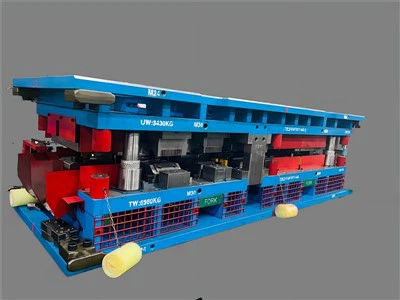
Hey there! As a transfer die supplier, I've seen my fair share of issues with these tools. Transfer dies are super important in the manufacturing world, but they come with their own set of problems. In this blog, I'm gonna talk about the common problems with transfer dies and how we can solve them.
1. Wear and Tear
One of the most common problems with transfer dies is wear and tear. These dies are used to transfer parts from one station to another during the stamping process. With repeated use, the surfaces of the die can start to wear down. This wear can lead to dimensional inaccuracies in the stamped parts. For example, if the punches or dies are worn, the holes in the stamped parts might be larger or smaller than they should be.
Solution: Regular maintenance is key here. We need to inspect the dies frequently for signs of wear. If we notice any wear, we can use techniques like re - grinding the surfaces. Sometimes, we might need to replace the worn - out components. For instance, if the punch tips are worn, we can simply replace them. It's also a good idea to use high - quality materials for the dies in the first place. High - speed steel or carbide can be great options as they are more resistant to wear.
2. Misalignment
Misalignment is another big headache when it comes to transfer dies. If the die components are not properly aligned, the stamped parts can come out with defects. The parts might be bent, or the holes might not be in the right position. This can happen due to improper installation of the die, or if the press is not operating smoothly.
Solution: When installing the transfer die, we need to make sure that all the components are perfectly aligned. We can use alignment tools like dial indicators to check the alignment. If the press is causing the misalignment, we need to troubleshoot the press. Maybe the press bed is not level, or the guides are worn out. Fixing these press - related issues can help in getting the die back in proper alignment. Also, during the operation, we should regularly check the alignment to catch any misalignment early on.
3. Jamming
Jamming can occur when the parts get stuck in the transfer die. This can be due to a variety of reasons. Maybe the parts are not being transferred smoothly from one station to another, or there is debris in the die. Jamming can not only stop the production process but also cause damage to the die.
Solution: To prevent jamming, we need to make sure that the transfer system is working properly. The transfer fingers should be adjusted correctly so that they can pick up and place the parts smoothly. We also need to keep the die clean. Regularly cleaning the die can remove any debris that might cause jamming. If jamming does occur, we need to stop the press immediately and carefully remove the jammed parts. We should also inspect the die for any damage caused by the jamming.
4. Die Breakage
Die breakage is a serious problem that can lead to significant downtime and cost. It can happen due to overloading, improper heat treatment, or material defects. When a die breaks, it can't be used until it's repaired or replaced.
Solution: To avoid die breakage, we need to make sure that the die is designed to handle the loads. We should calculate the forces involved in the stamping process accurately and design the die accordingly. Proper heat treatment is also crucial. Heat treatment can improve the hardness and toughness of the die material. If we suspect a material defect, we should replace the die component immediately. In case of breakage, we need to analyze the cause to prevent it from happening again.
5. Surface Finish Issues
The surface finish of the stamped parts is important, especially for applications where appearance matters. Transfer dies can sometimes cause surface finish problems like scratches, marks, or uneven surfaces. This can be due to rough die surfaces, improper lubrication, or debris on the die.
Solution: To improve the surface finish, we can polish the die surfaces. A smooth die surface will result in a better - finished part. We also need to use the right lubricant. The lubricant can reduce friction between the die and the workpiece, preventing scratches. Regular cleaning of the die to remove debris is also essential.
6. Material Flow Problems
During the stamping process, the material needs to flow properly through the transfer die. If the material flow is restricted, it can lead to problems like cracks in the stamped parts or uneven thickness.
Solution: We need to design the die in a way that allows for smooth material flow. This might involve adjusting the shape of the die cavities. We can also use techniques like blank holder force adjustment. By adjusting the blank holder force, we can control the material flow. Additionally, using materials with good formability can help in improving the material flow.
7. Tooling Fatigue
Tooling fatigue can occur over time due to repeated loading and unloading of the transfer die. This can lead to cracks in the die components, which can eventually cause the die to fail.
Solution: To prevent tooling fatigue, we can use stress - relieving techniques. After a certain number of stamping cycles, we can heat - treat the die to relieve the internal stresses. We can also use finite element analysis (FEA) during the die design phase to predict the stress distribution and make design changes to reduce the stress concentrations.
8. Lack of Compatibility with Press
Sometimes, the transfer die might not be compatible with the press. This can lead to problems like improper operation, or the die might not be able to perform at its best.
Solution: Before purchasing a transfer die, we need to make sure that it is compatible with the press. We should consider factors like the press tonnage, stroke length, and the size of the press bed. If the die is not compatible, we might need to either modify the die or the press.
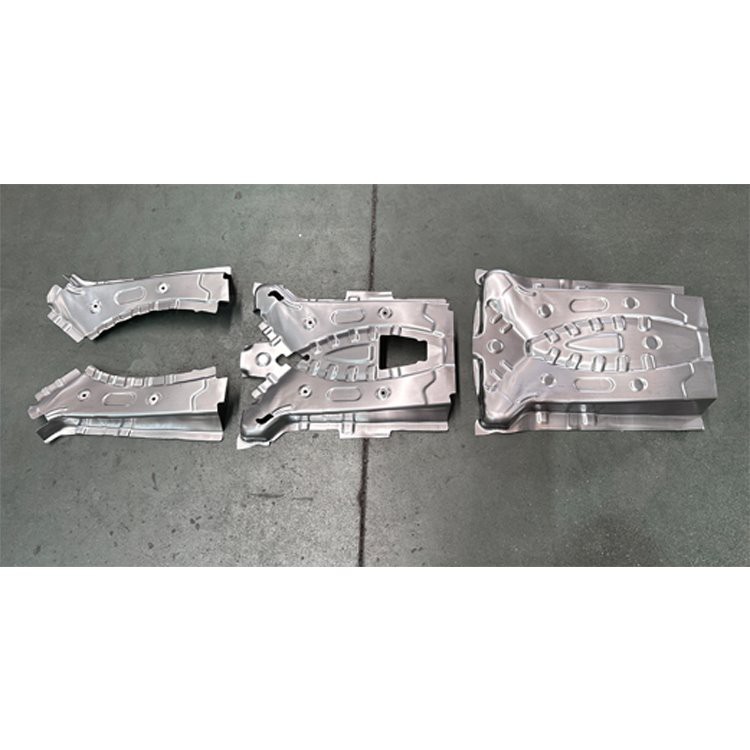

Now, if you're in the market for a transfer die, you might also be interested in other types of dies. Check out our single casting die, Casting Progressive Die, and Steel sheet progressive die.
If you're facing any of these problems with your transfer dies or if you're looking to buy a new one, don't hesitate to reach out. We're here to help you solve your die - related problems and provide you with high - quality transfer dies. Contact us for a free consultation and let's start a great partnership in the manufacturing world!
References
- "Stamping Die Design and Manufacturing" by some industry experts
- "Tool and Die Making Technology" textbooks for general die - related knowledge