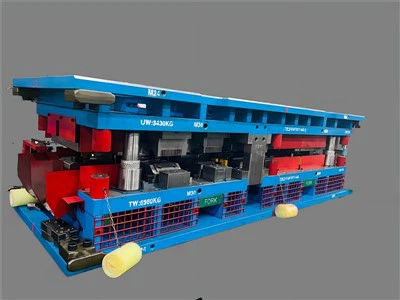
Hey there! As a supplier of single casting dies, I've seen my fair share of issues that can crop up during the casting process. In this blog, I'll be talking about the common failures of a single casting die and how we can solve them.
1. Surface Defects
One of the most common problems we encounter with single casting dies is surface defects. These can include things like porosity, cracks, and rough surfaces.
Porosity
Porosity is a big headache. It's basically tiny holes in the casting. There are a few reasons why this happens. First off, if the molten metal has gas trapped in it, that gas will form bubbles as the metal cools, leaving behind pores. Another cause could be poor venting in the die. If the air can't escape properly, it gets trapped and causes porosity.
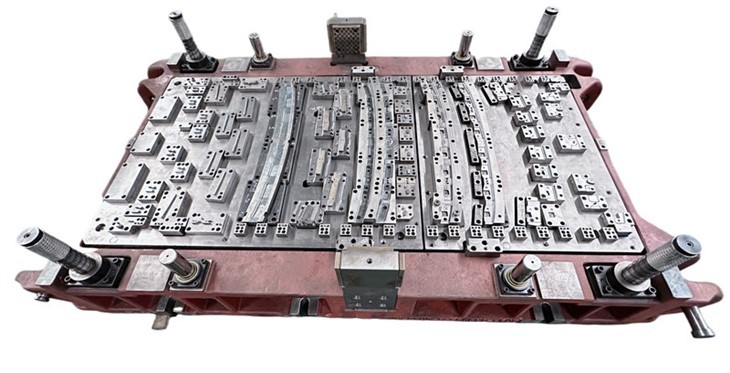

The solution? Well, we need to make sure the molten metal is properly degassed before pouring. We can use techniques like vacuum degassing to get rid of the gas. Also, improving the venting design of the die is crucial. Adding more vents or making them larger can help the air escape more easily.
Cracks
Cracks in the casting are a major issue as they can weaken the part and even make it unusable. Cracks can form due to thermal stress. When the casting cools unevenly, some parts shrink faster than others, creating stress that can lead to cracks. Another cause could be improper gating. If the molten metal doesn't flow smoothly into the die cavity, it can cause uneven cooling and cracking.
To fix this, we need to control the cooling rate more carefully. Using insulation materials or adjusting the pouring temperature can help. Also, optimizing the gating system is essential. We can use simulation software to design a gating system that ensures a smooth and even flow of molten metal.
Rough Surfaces
A rough surface on the casting can affect its appearance and functionality. This can be caused by a dirty die surface or improper die release. If there's debris or residue on the die, it can transfer to the casting, making the surface rough. And if the die release agent isn't applied correctly, the casting may stick to the die, also resulting in a rough surface.
To solve this, we need to keep the die clean. Regularly cleaning the die with appropriate solvents can remove any dirt or residue. And make sure to apply the die release agent evenly and in the right amount.
2. Dimensional Inaccuracies
Another common failure is dimensional inaccuracies. The casting may not meet the required size and shape specifications.
Shrinkage
Shrinkage is a natural phenomenon when the molten metal cools and solidifies. But if it's not accounted for properly, it can lead to parts that are smaller than the desired size. Different metals have different shrinkage rates, and factors like the shape and size of the casting can also affect shrinkage.
To deal with shrinkage, we need to have accurate shrinkage data for the specific metal we're using. We can then adjust the die dimensions accordingly. Using shrinkage allowances in the die design can help ensure the final casting meets the required dimensions.
Misalignment
Misalignment can occur when the two halves of the die don't line up properly. This can result in a casting that has uneven walls or is misshapen. It can be caused by wear and tear on the die guides or improper clamping.
To fix misalignment, we need to regularly inspect and maintain the die guides. If they're worn out, they should be replaced. And make sure the die is clamped tightly and correctly during the casting process.
3. Ejection Problems
Getting the casting out of the die smoothly is crucial. But sometimes, we face ejection problems.
Sticking
If the casting sticks to the die, it can be difficult to eject and may even damage the casting or the die. This can be due to a lack of proper die release, high friction between the casting and the die, or improper ejection pin design.
To prevent sticking, as mentioned earlier, use a good quality die release agent. Also, we can polish the die surface to reduce friction. And make sure the ejection pins are properly designed and placed to ensure even ejection.
Ejection Pin Marks
Sometimes, the ejection pins can leave marks on the casting, which can affect its appearance and functionality. This can happen if the ejection pins are too large or if they're not properly lubricated.
To solve this, we can use smaller ejection pins and make sure they're well-lubricated. Also, we can design the ejection system in such a way that the pins don't leave visible marks on the critical areas of the casting.
4. Wear and Tear
Over time, the single casting die will experience wear and tear. This can affect the quality of the castings and the lifespan of the die.
Abrasion
Abrasion occurs when the molten metal flows over the die surface, wearing it down. This can be exacerbated by the presence of hard particles in the molten metal.
To reduce abrasion, we can use die materials with high wear resistance. Coating the die surface with hard coatings can also help. And make sure the molten metal is properly filtered to remove any hard particles.
Corrosion
Corrosion can occur if the die is exposed to a corrosive environment, such as certain chemicals in the molten metal or in the surrounding atmosphere.
To prevent corrosion, we can use corrosion-resistant die materials or apply protective coatings. Also, keeping the die dry and in a clean environment can help.
If you're facing any of these issues with your single casting dies, don't worry! We've got the expertise and experience to help you out. We're also into Progressive Metal Stamping, Progressive casting die, and Progressive Die Manufacturing. Whether you need a new die or want to optimize your existing one, we're here to assist. So, if you're in the market for high-quality single casting dies or related services, feel free to reach out and start a conversation about your procurement needs. We're looking forward to working with you!
References
- "Casting Handbook: Metal Casting Processes, Materials, and Technologies"
- "Die Casting Engineering Handbook"