When it comes to manufacturing auto bracket parts, two materials stand out: steel and aluminum. As a seasoned supplier of Auto Bracket Parts, I've witnessed firsthand the distinct characteristics and applications of these materials. In this blog, I'll delve into the differences between steel and aluminum auto bracket parts, shedding light on their properties, advantages, and considerations for automotive applications.
Material Properties
Steel
Steel is an alloy primarily composed of iron and carbon, with small amounts of other elements such as manganese, silicon, and sulfur. It is known for its high strength, durability, and excellent formability. The carbon content in steel can vary, which affects its hardness and toughness. For auto bracket parts, high-strength steel (HSS) and advanced high-strength steel (AHSS) are commonly used due to their superior mechanical properties.
One of the key advantages of steel is its high tensile strength, which allows it to withstand heavy loads and stresses. This makes steel brackets ideal for applications where structural integrity is crucial, such as engine mounts, suspension brackets, and chassis components. Steel also has good fatigue resistance, meaning it can endure repeated loading and unloading cycles without failing.
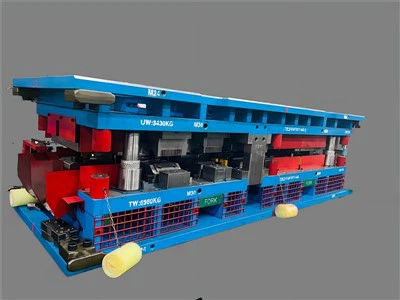
In addition to its strength, steel offers excellent formability. It can be easily shaped and fabricated into complex geometries using various manufacturing processes, including single casting die, Progressive Die Manufacturing, and Sheet Metal Stamping Dies. This versatility makes steel a popular choice for automotive manufacturers, as it allows them to design and produce brackets that meet specific performance requirements.
Aluminum
Aluminum is a lightweight metal with a density approximately one-third that of steel. It is known for its excellent corrosion resistance, high thermal conductivity, and good electrical conductivity. Aluminum alloys are commonly used in the automotive industry due to their combination of lightweight properties and high strength-to-weight ratio.
One of the main advantages of aluminum is its weight savings. By using aluminum brackets instead of steel, automotive manufacturers can reduce the overall weight of the vehicle, which in turn improves fuel efficiency and performance. Aluminum also offers good corrosion resistance, making it suitable for applications in harsh environments.
In terms of formability, aluminum is generally more difficult to shape than steel. However, advancements in manufacturing technologies have made it possible to produce complex aluminum brackets with high precision. Aluminum can be formed using processes such as extrusion, forging, and stamping, although these processes may require specialized equipment and techniques.
Performance and Applications
Strength and Durability
As mentioned earlier, steel is known for its high strength and durability. Steel brackets can withstand heavy loads and stresses, making them suitable for applications where structural integrity is critical. For example, engine mounts made of steel can support the weight of the engine and absorb vibrations, ensuring smooth operation of the vehicle.
Aluminum, on the other hand, has a lower strength-to-weight ratio compared to steel. While aluminum brackets can still provide sufficient strength for many applications, they may not be suitable for high-stress or heavy-load applications. However, aluminum alloys can be engineered to have specific strength properties, allowing them to be used in a wide range of automotive applications.
Weight and Fuel Efficiency
One of the most significant advantages of aluminum is its lightweight properties. By using aluminum brackets, automotive manufacturers can reduce the overall weight of the vehicle, which leads to improved fuel efficiency and performance. A lighter vehicle requires less energy to accelerate and decelerate, resulting in lower fuel consumption and reduced emissions.
In addition to fuel efficiency, weight reduction can also improve the handling and agility of the vehicle. A lighter vehicle has a lower center of gravity, which enhances stability and cornering performance. This is particularly important for sports cars and high-performance vehicles, where weight reduction is a key design consideration.
Corrosion Resistance
Steel is susceptible to corrosion, especially in the presence of moisture and salt. To protect steel brackets from corrosion, they are often coated with a layer of paint or other protective coatings. However, these coatings can wear off over time, exposing the steel to the elements and increasing the risk of corrosion.
Aluminum, on the other hand, has excellent corrosion resistance. It forms a thin oxide layer on its surface, which acts as a protective barrier against corrosion. This makes aluminum brackets ideal for applications in harsh environments, such as marine or coastal areas, where corrosion is a major concern.
Cost Considerations
Material Cost
The cost of steel and aluminum can vary depending on market conditions, availability, and quality. Generally, steel is less expensive than aluminum on a per-pound basis. However, the cost of manufacturing steel brackets can be higher due to the need for additional processing steps, such as heat treatment and surface coating.
Aluminum, on the other hand, is more expensive than steel on a per-pound basis. However, the weight savings achieved by using aluminum brackets can offset the higher material cost. In addition, aluminum requires less energy to process and manufacture, which can result in lower overall production costs.
Manufacturing Cost
The manufacturing cost of steel and aluminum brackets can also vary depending on the manufacturing process used. Steel brackets can be fabricated using a variety of processes, including stamping, forging, and casting. These processes are well-established and widely used in the automotive industry, resulting in relatively low manufacturing costs.
Aluminum brackets, on the other hand, may require specialized equipment and techniques for manufacturing. For example, aluminum extrusion and forging processes require high-pressure equipment and precise control of temperature and speed. These processes can be more expensive than traditional steel manufacturing processes, which can increase the overall manufacturing cost of aluminum brackets.


Conclusion
In conclusion, both steel and aluminum have their own unique properties and advantages when it comes to manufacturing auto bracket parts. Steel is known for its high strength, durability, and excellent formability, making it suitable for applications where structural integrity is critical. Aluminum, on the other hand, offers lightweight properties, good corrosion resistance, and improved fuel efficiency, making it a popular choice for automotive manufacturers looking to reduce the weight of their vehicles.
When choosing between steel and aluminum auto bracket parts, automotive manufacturers need to consider a variety of factors, including performance requirements, cost, and manufacturing capabilities. At our company, we have extensive experience in manufacturing both steel and aluminum auto bracket parts, and we can help you choose the right material and manufacturing process for your specific application.
If you're interested in learning more about our Auto Bracket Parts or would like to discuss your specific requirements, please don't hesitate to contact us. We look forward to working with you to provide high-quality auto bracket parts that meet your needs and exceed your expectations.
References
- ASM Handbook, Volume 2: Properties and Selection: Nonferrous Alloys and Special-Purpose Materials
- Aluminum Association, Inc. "Aluminum in the Automotive Industry: A Global Outlook"
- Society of Automotive Engineers (SAE) International, "Lightweight Materials for Automotive Applications"