As a supplier of auto bracket parts, I totally get how crucial it is to test the quality of these parts before installation. Auto bracket parts play a vital role in the overall performance and safety of vehicles. A faulty bracket can lead to all sorts of problems, from minor rattles to major mechanical failures. So, in this blog, I'm gonna share some effective ways to test the quality of auto bracket parts.

Visual Inspection
The first step in testing auto bracket parts is a good old - fashioned visual inspection. You'd be surprised how many issues can be spotted just by taking a close look. Check for any visible cracks, scratches, or deformities on the surface of the bracket. Cracks can weaken the structure and lead to failure under stress, while scratches might indicate rough handling during manufacturing or shipping.
Also, pay attention to the finish of the part. A smooth, consistent finish usually means a high - quality product. Any unevenness or rough spots could be a sign of poor manufacturing processes. Make sure the holes are properly drilled and there are no burrs around them. Burrs can interfere with the installation process and might cause wear and tear on other components.
Dimensional Accuracy
Auto bracket parts need to fit precisely in their designated locations. That's why dimensional accuracy is super important. Use measuring tools like calipers, micrometers, and gauges to check if the part meets the specified dimensions. Even a small deviation can lead to misalignment, which can then cause problems with the vehicle's performance.
Compare the measured dimensions with the engineering drawings or specifications provided. If there are any discrepancies, it's a red flag. Sometimes, these differences might be due to manufacturing tolerances, but it's still important to investigate further. You can also use coordinate measuring machines (CMMs) for more accurate and detailed measurements. These machines can quickly and precisely measure complex shapes and geometries, ensuring that the bracket parts are within the acceptable range.
Material Testing
The quality of the material used in auto bracket parts has a huge impact on their performance and durability. There are several methods to test the material properties. One common method is hardness testing. Hardness is an indication of a material's resistance to deformation and wear. You can use a hardness tester, such as a Rockwell or Brinell tester, to measure the hardness of the bracket.
Another important test is the material composition analysis. This can be done using techniques like spectroscopy. By analyzing the chemical composition of the material, you can ensure that it meets the required standards. For example, if the bracket is supposed to be made of a certain grade of steel, the analysis will confirm if it actually contains the right elements in the correct proportions.
Strength and Load - Bearing Capacity
Auto bracket parts are often subjected to various loads and stresses during the operation of the vehicle. So, it's essential to test their strength and load - bearing capacity. One way to do this is through a static load test. In this test, a known load is applied to the bracket in a controlled environment, and the deformation and stress levels are measured.
You can also perform a fatigue test. Fatigue failure occurs when a part is subjected to repeated loading and unloading cycles. By simulating these cycles in a laboratory, you can determine how long the bracket will last under normal operating conditions. This is especially important for parts that are constantly exposed to vibrations and dynamic forces.
Surface Coating and Corrosion Resistance
Many auto bracket parts are coated to protect them from corrosion. A good surface coating can significantly extend the lifespan of the part. To test the quality of the coating, you can use a cross - hatch test. In this test, a grid of cuts is made on the coating, and then an adhesive tape is applied and removed. If the coating comes off easily, it might not provide adequate protection.
You can also perform a salt spray test. In this test, the bracket is exposed to a salt - water mist for a certain period of time. After the test, the part is inspected for signs of corrosion. A high - quality coating should resist corrosion for an extended period, ensuring that the bracket remains in good condition even in harsh environments.
Progressive Metal Stamping and Die Manufacturing
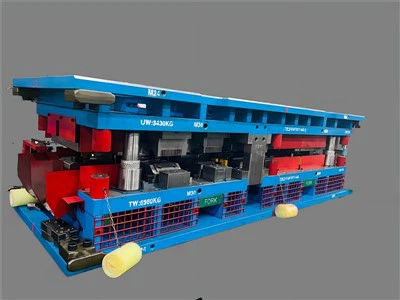
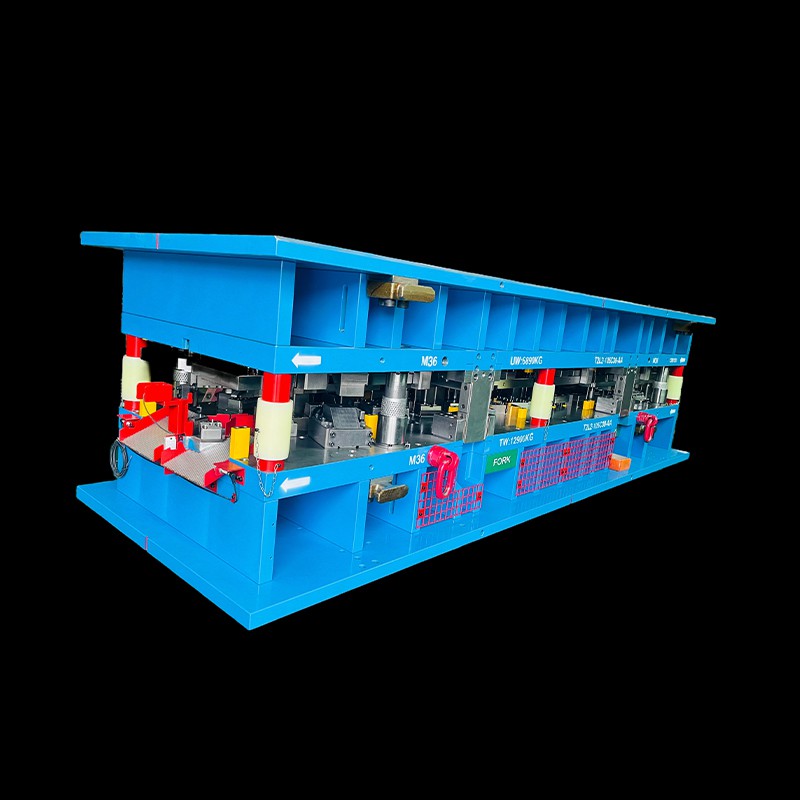
When it comes to manufacturing auto bracket parts, Progressive Metal Stamping and Progressive Die Manufacturing are two important processes. Progressive metal stamping is a high - speed manufacturing process that can produce complex parts with high precision. It involves feeding a strip of metal through a series of dies, each performing a specific operation.
Progressive die manufacturing, on the other hand, focuses on creating the dies used in the stamping process. High - quality dies are essential for producing accurate and consistent auto bracket parts. The quality of the stamping and die manufacturing processes can have a direct impact on the quality of the final product. So, it's important to ensure that these processes are well - controlled and monitored.
Progressive Casting Die
Progressive casting die is another method used in the production of auto bracket parts. Casting is a process where molten metal is poured into a mold to create the desired shape. Progressive casting dies are designed to produce multiple parts in a single casting operation, increasing efficiency and reducing costs.
However, like any manufacturing process, there can be issues with casting. For example, porosity, shrinkage, and inclusions can occur. These defects can weaken the part and affect its performance. That's why it's important to test the parts produced using progressive casting dies thoroughly.
Conclusion
Testing the quality of auto bracket parts before installation is a multi - step process that involves visual inspection, dimensional accuracy checks, material testing, strength and load - bearing capacity tests, and surface coating evaluations. By using these methods, you can ensure that the parts you're supplying are of the highest quality.
As a supplier, I'm committed to providing top - notch auto bracket parts. If you're in the market for high - quality auto bracket parts, I'd love to have a chat with you. Whether you have specific requirements or just want to learn more about our products, don't hesitate to reach out. Let's work together to ensure the safety and performance of your vehicles.
References
- Automotive Manufacturing Handbook
- Material Testing Standards and Guidelines
- Engineering Drawings and Specifications for Auto Bracket Parts