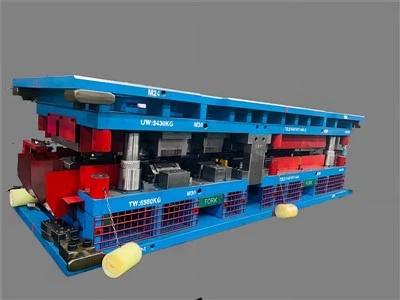
Hey there! As a supplier in the high-speed stamping industry, I know firsthand how crucial it is to cut down on setup time. In high-speed stamping, every second counts. Reducing setup time can boost productivity, save costs, and make your operations more efficient. So, let's dive into some practical ways to achieve this goal.
1. Pre - Planning and Preparation
Before you even start the stamping process, thorough pre - planning can make a huge difference. First off, have a detailed plan for each stamping job. Know exactly what materials you'll need, the specifications of the parts, and the sequence of operations. This way, you won't waste time looking for tools or materials during the setup.
For instance, create a checklist for each job. List all the necessary tools, dies, and materials. Make sure everything is clean, in good condition, and ready to use. If you're using a Prototype Die, inspect it carefully to ensure it's free from any damage or wear. This pre - inspection can prevent setup delays due to unexpected issues.
Also, use simulation software. These tools can help you visualize the stamping process before you start. You can identify potential problems, such as material flow issues or die interference, and make adjustments in advance. This not only reduces setup time but also improves the quality of the final product.
2. Standardization
Standardization is key to reducing setup time. Standardize your stamping processes, tools, and dies as much as possible. For example, use a common set of tooling for different jobs whenever you can. This means that you don't have to spend time adjusting or changing tools frequently.
If you have a range of Furniture Hardware Stamping Die, try to design them with similar mounting systems and dimensions. This allows for quick and easy die changes. You can also standardize the setup procedures. Train your operators to follow a consistent setup routine, so they know exactly what to do at each step.
Another aspect of standardization is the use of standardized workstations. Keep your workstations organized and equipped with the necessary tools in a consistent manner. This makes it easier for operators to find what they need and perform the setup quickly.
3. Quick - Change Tooling Systems
Investing in quick - change tooling systems can significantly reduce setup time. These systems are designed to allow for rapid tool and die changes. They often use features like quick - release mechanisms, standardized interfaces, and pre - aligned components.
For example, some quick - change die systems use hydraulic or pneumatic clamps to secure the dies in place. These clamps can be tightened or released in a matter of seconds, compared to traditional bolt - on methods that can take much longer. With a Progressive Tool Sheet Metal, a quick - change system can enable you to swap out different stations in the progressive die quickly, allowing you to switch between different stamping jobs with minimal downtime.
When choosing a quick - change tooling system, make sure it's compatible with your existing stamping equipment. Also, provide proper training to your operators on how to use these systems effectively.
4. Operator Training
Well - trained operators are essential for reducing setup time. Train your operators on the latest stamping techniques, tooling systems, and setup procedures. Make sure they understand the importance of reducing setup time and how their actions can contribute to this goal.
Provide hands - on training so that operators can practice setting up the stamping equipment. Encourage them to ask questions and share their experiences. This can lead to continuous improvement in the setup process.
For example, you can organize regular training sessions where operators can learn about new tooling technologies or setup optimization methods. You can also create a knowledge - sharing platform where operators can exchange tips and tricks for faster setups.
5. Maintenance and Calibration
Regular maintenance and calibration of your stamping equipment are crucial for reducing setup time. A well - maintained machine is less likely to experience breakdowns or require extensive adjustments during setup.
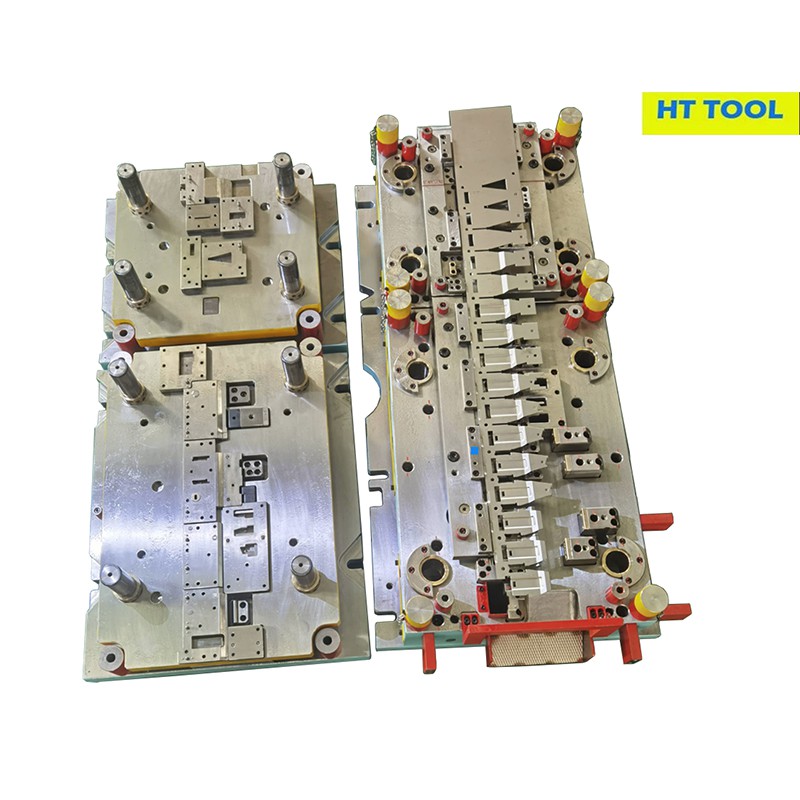

Create a maintenance schedule for your stamping presses, dies, and other tools. This schedule should include tasks such as lubrication, cleaning, and inspection. Regularly check the alignment and calibration of your equipment to ensure accurate stamping.
For example, if your stamping press is not properly calibrated, it can lead to misaligned parts and longer setup times to correct the issue. By performing routine maintenance and calibration, you can keep your equipment in optimal condition and reduce the time spent on setup and troubleshooting.
6. Communication and Teamwork
Effective communication and teamwork are often overlooked but are vital for reducing setup time. Encourage open communication between operators, supervisors, and maintenance staff. When everyone is on the same page, setup time can be minimized.
For example, if an operator notices a potential issue during setup, they should be able to quickly communicate it to the maintenance staff. The maintenance staff can then address the problem promptly, preventing delays.
You can also implement a team - based approach to setup. Have a dedicated setup team that works together to complete the setup process. This team can divide the tasks based on their skills and expertise, allowing for a more efficient setup.
7. Lean Manufacturing Principles
Applying lean manufacturing principles can also help reduce setup time. Lean manufacturing focuses on eliminating waste and improving efficiency. Identify any non - value - added activities during the setup process and find ways to eliminate them.
For example, if there are unnecessary steps in the setup routine, such as excessive tool cleaning or redundant inspections, streamline these processes. Use the 5S methodology (Sort, Set in Order, Shine, Standardize, Sustain) to keep your workspace organized and eliminate clutter. This can make it easier to find tools and materials during setup, reducing the time spent searching.
In conclusion, reducing setup time in high - speed stamping is a multi - faceted challenge that requires a combination of pre - planning, standardization, the use of advanced tooling systems, operator training, maintenance, communication, and lean manufacturing principles. By implementing these strategies, you can significantly improve the efficiency of your stamping operations.
If you're interested in learning more about how we can help you reduce setup time in your high - speed stamping processes or if you're looking to purchase high - quality stamping dies and tools, don't hesitate to reach out. We're here to assist you with all your stamping needs and help you take your operations to the next level.
References
- [1] Smith, J. (2020). "High - Speed Stamping: Best Practices for Efficiency". Manufacturing Journal.
- [2] Johnson, A. (2019). "Reducing Setup Time in Metal Stamping Processes". Industrial Engineering Review.
- [3] Brown, R. (2021). "Lean Manufacturing in the Stamping Industry". Production Management Magazine.