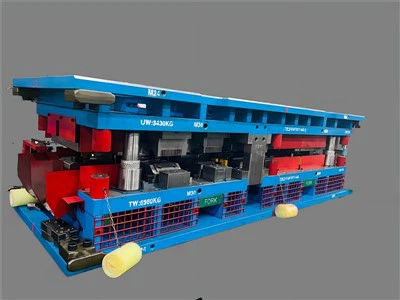
Hey there! As a supplier of Auto Bracket Parts, I've seen my fair share of faulty parts out there in the market. Figuring out if an auto bracket part is faulty is super important, not just for us suppliers but also for all the mechanics and car owners out there. In this blog, I'm gonna share some tips on how to spot those faulty parts.


Visual Inspection
The first step in identifying a faulty auto bracket part is a good old - fashioned visual inspection. You'd be surprised how many issues you can catch just by taking a close look.
Start by checking for any visible cracks. Cracks can form due to stress, fatigue, or even impact. They're a major red flag because they can compromise the structural integrity of the bracket. If you see a crack, no matter how small, it's likely that the part is faulty.
Next, look at the surface finish. A smooth and even surface is a sign of a well - made part. If you notice any rough patches, unevenness, or signs of poor machining, it could indicate a manufacturing defect. For example, if there are burrs on the edges, it might not fit properly in the car, leading to problems down the road.
Also, check the alignment of the holes and mounting points. They should be in the right place and have the correct size. Misaligned holes can make it impossible to install the bracket correctly, and it won't be able to do its job effectively.
Fit and Compatibility
A faulty auto bracket part might not fit properly in the car. When you're trying to install a bracket, it should slide into place easily and align with the existing components. If it's too loose or too tight, there's a problem.
Sometimes, a bracket might look okay visually, but it just doesn't match the specifications of the car. That's why it's crucial to have accurate product information. At our company, we make sure that all our Progressive Metal Stamping parts are designed to meet the exact requirements of different car models.
If a bracket doesn't fit, it could be due to incorrect dimensions during the manufacturing process. This could happen if there were issues with the Progressive Die Manufacturing. Even a small deviation in size can cause big problems when it comes to installation.
Material Quality
The quality of the material used in an auto bracket part is a key factor in determining its reliability. Low - quality materials are more likely to fail under stress.
One way to check the material quality is to do a simple hardness test. You can use a hardness tester to see if the material has the right hardness level. If it's too soft, it might deform easily, and if it's too hard, it could be brittle and prone to cracking.
Another thing to look for is signs of corrosion. If the bracket is made of metal, it should be properly coated to prevent rust. Corroded parts are not only unsightly but also weaker and more likely to break. We use high - quality materials in our Progressive casting die parts and apply the right coatings to ensure long - term durability.
Functionality Testing
After a visual inspection and checking the fit and material quality, it's time to test the functionality of the bracket.
If the bracket is supposed to hold a certain component in place, make sure it can do that without any issues. For example, if it's a bracket for an engine part, check if it can withstand the vibrations and movements of the engine. You can simulate these conditions in a controlled environment to see how the bracket performs.
Listen for any unusual noises when the car is running. A faulty bracket might cause rattling or other strange sounds. This could be a sign that the bracket is loose or not holding the component firmly.
Fatigue and Wear
Auto bracket parts are subjected to a lot of stress over time. Fatigue and wear can cause a part that was initially in good condition to become faulty.
Look for signs of wear on the contact points. If the bracket rubs against other components, it can cause the surface to wear down. This can lead to a loss of strength and stability.
Also, pay attention to how the bracket has aged. If it's been in use for a long time, it might be more prone to failure. We recommend regular inspections of auto bracket parts to catch any signs of fatigue early on.
Documentation and Traceability
As a supplier, we keep detailed documentation of all our parts. This includes information about the manufacturing process, the materials used, and quality control checks.
If you're a mechanic or a car owner, ask for this documentation when you're purchasing an auto bracket part. It can give you a lot of insights into the quality of the part. If a supplier can't provide proper documentation, it might be a sign that they're not following good manufacturing practices.
Conclusion
Identifying a faulty auto bracket part is a multi - step process. It involves visual inspection, checking the fit and compatibility, evaluating the material quality, testing the functionality, and looking for signs of fatigue and wear.
At our company, we're committed to providing high - quality Auto Bracket Parts. We use advanced manufacturing techniques like Progressive Metal Stamping, Progressive Die Manufacturing, and Progressive casting die to ensure that our parts meet the highest standards.
If you're in the market for Auto Bracket Parts, we'd love to have a chat with you. Whether you're a small repair shop or a large automotive manufacturer, we can work with you to meet your specific needs. Reach out to us to start a采购洽谈 (Oops, I meant to say purchasing discussion). We're here to help you get the best parts for your cars.
References
- General automotive repair manuals
- Industry standards for auto bracket parts manufacturing
- Internal company records on part quality and manufacturing processes