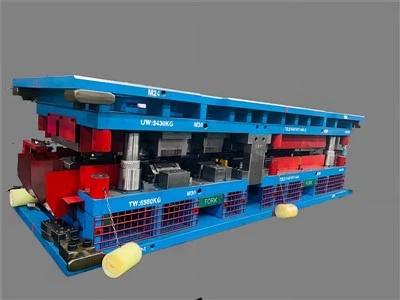
As a supplier of Tandem Die, ensuring the normal operation of the cooling system is crucial for the performance and longevity of the die. A well - functioning cooling system can effectively control the temperature during the stamping process, reduce wear and tear, and improve the quality of stamped parts. In this blog, I will share some key strategies to ensure the normal operation of the cooling system of a tandem die.
Understanding the Cooling System of Tandem Die
Before delving into how to ensure its normal operation, it's essential to understand the basic components and functions of the cooling system in a Tandem Die. The cooling system typically consists of coolant channels, a coolant supply unit, and a temperature control mechanism.
The coolant channels are designed within the die structure. They allow the coolant, usually water or a specialized coolant fluid, to flow through the die, absorbing heat generated during the stamping process. The coolant supply unit is responsible for providing a continuous and stable flow of coolant to the channels. It includes pumps, filters, and reservoirs. The temperature control mechanism monitors the temperature of the coolant and the die, adjusting the flow rate or temperature of the coolant as needed to maintain optimal operating conditions.
Regular Maintenance of the Cooling System
Regular maintenance is the cornerstone of ensuring the normal operation of the cooling system. Here are some key maintenance tasks:
Inspection of Coolant Channels
Over time, coolant channels can become clogged with debris, rust, or sediment. This can restrict the flow of coolant, leading to poor heat transfer and increased die temperature. Regularly inspect the coolant channels for any signs of blockage. Use specialized cleaning tools or techniques to remove any obstructions. For example, flushing the channels with a high - pressure water jet or using chemical cleaners can be effective in removing stubborn deposits.
Check the Coolant Supply Unit
The coolant supply unit is the heart of the cooling system. Check the pumps regularly to ensure they are functioning properly. Look for signs of leaks, unusual noises, or reduced flow rates. Replace any worn - out pump parts promptly. Also, inspect the filters in the supply unit. Dirty filters can impede the flow of coolant and reduce its effectiveness. Replace the filters at regular intervals according to the manufacturer's recommendations.
Monitor the Coolant Level and Quality
Maintain the proper coolant level in the reservoir. A low coolant level can lead to insufficient cooling and overheating of the die. Check the coolant level daily and top it up as needed. In addition to the level, monitor the quality of the coolant. The coolant can degrade over time due to chemical reactions, contamination, or evaporation. Test the coolant regularly for its pH level, conductivity, and corrosion inhibitors. If the coolant quality is poor, drain and refill the system with fresh coolant.
Proper Installation and Configuration
Proper installation and configuration of the cooling system are also vital. When installing a new tandem die or its cooling system, follow the manufacturer's guidelines carefully. Ensure that the coolant channels are correctly connected to the supply unit, and there are no leaks at the joints.
Configure the temperature control mechanism accurately. Set the temperature thresholds based on the specific requirements of the stamping process and the material being stamped. Incorrect temperature settings can lead to either overcooling or overheating of the die, both of which can have negative impacts on the die's performance and the quality of the stamped parts.
Training and Operator Awareness
The operators who work with the tandem die play a crucial role in ensuring the normal operation of the cooling system. Provide comprehensive training to the operators on the importance of the cooling system and how to monitor and maintain it. Train them to recognize the signs of potential cooling system problems, such as abnormal die temperature, reduced coolant flow, or strange noises from the supply unit.
Encourage operators to report any issues they notice immediately. By having a well - trained and aware workforce, you can catch and address cooling system problems early, preventing more serious damage to the die and ensuring continuous production.
Troubleshooting Common Cooling System Problems
Even with regular maintenance and proper operation, cooling system problems can still occur. Here are some common problems and their solutions:
Overheating of the Die
If the die is overheating, first check the coolant flow rate. A reduced flow rate can be caused by a clogged channel, a malfunctioning pump, or a dirty filter. Inspect and clean the channels, check the pump, and replace the filter if necessary. Also, check the temperature control mechanism to ensure it is functioning correctly. If the coolant temperature is too high, adjust the temperature settings or increase the flow rate of the coolant.
Leaks in the Cooling System
Leaks can occur at the joints of the coolant channels or in the supply unit. Look for signs of coolant puddles around the die or the supply unit. Tighten any loose connections or replace any damaged gaskets or seals. If the leak persists, it may be necessary to replace the affected components.
Poor Heat Transfer
If the die temperature is not dropping as expected, it could be due to poor heat transfer. This can be caused by a build - up of scale or dirt on the surface of the coolant channels. Clean the channels thoroughly to improve heat transfer. Additionally, check the coolant type. Using the wrong coolant or a degraded coolant can also affect heat transfer. Replace the coolant if necessary.

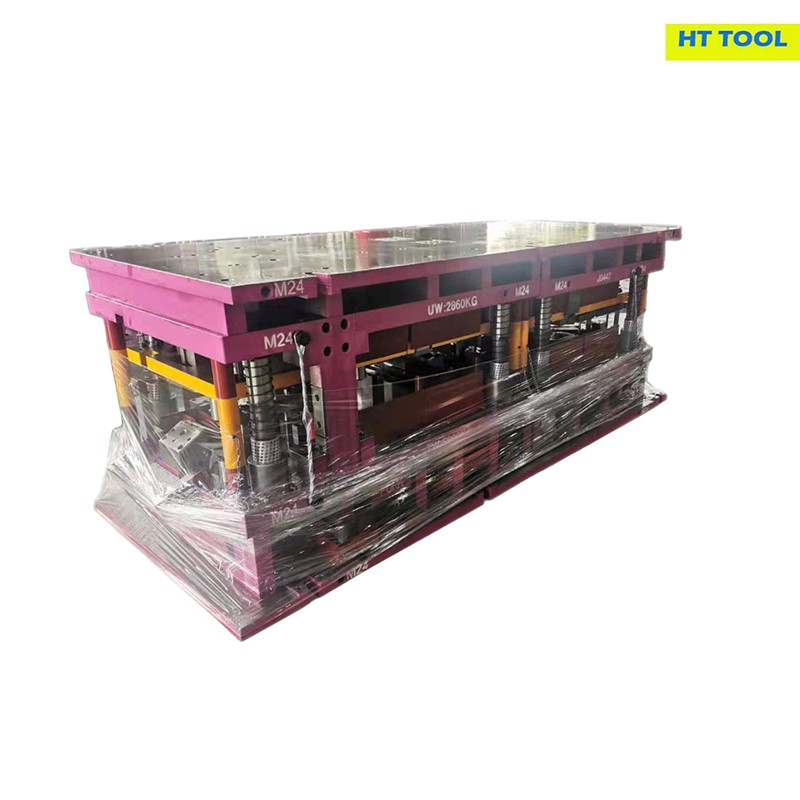
Importance of a Well - Functioning Cooling System in Tandem Die Applications
In Progressive Die Metal Stamping and other tandem die applications, a well - functioning cooling system offers several benefits. It improves the quality of the stamped parts by reducing thermal distortion and ensuring consistent material properties. This is especially important in applications where high precision is required, such as in the manufacturing of home appliances.
A properly cooled die also has a longer service life. By reducing the temperature and wear on the die, the cooling system helps to prevent premature failure and the need for frequent die replacements. This can significantly reduce production costs and downtime.
Contact for Procurement and Consultation
If you are interested in our Tandem Die products or need more information on ensuring the normal operation of the cooling system, we welcome you to contact us for procurement and consultation. Our team of experts is ready to assist you in selecting the right die and providing comprehensive technical support.
References
- "Stamping Die Design and Manufacturing Handbook", Publisher: ABC Publishing, Year: 20XX
- "Cooling Systems for Industrial Machinery", Author: John Doe, Publisher: XYZ Press, Year: 20XX