Hey there! As a supplier of CNC turning parts, I've seen firsthand how important corrosion resistance is for these components. Corrosion can lead to premature failure, reduced performance, and increased maintenance costs. So, in this blog post, I'm gonna share some tips on how to improve the corrosion resistance of CNC turning parts.
Understanding Corrosion
Before we dive into the solutions, let's quickly understand what corrosion is. Corrosion is basically a chemical reaction between a metal and its environment. It can be caused by things like moisture, oxygen, chemicals, and even bacteria. When a metal corrodes, it forms a layer of oxide or other compounds on its surface, which can weaken the metal and eventually cause it to break down.
Material Selection
One of the most important factors in improving corrosion resistance is choosing the right material. Different metals have different levels of resistance to corrosion. For example, stainless steel is known for its excellent corrosion resistance due to the presence of chromium, which forms a protective oxide layer on the surface. Aluminum is also a good choice as it forms a natural oxide layer that helps prevent further corrosion.
When selecting a material for your CNC turning parts, consider the environment in which the parts will be used. If they'll be exposed to harsh chemicals or high humidity, you'll need a material with high corrosion resistance. On the other hand, if the parts will be used in a relatively clean and dry environment, you may be able to get away with a less expensive material.
Surface Treatment
Another effective way to improve corrosion resistance is through surface treatment. There are several types of surface treatments available, each with its own advantages.
Plating
Plating involves depositing a thin layer of metal onto the surface of the CNC turning part. Common plating materials include nickel, chrome, and zinc. These coatings can provide a physical barrier between the metal part and the corrosive environment, preventing direct contact and reducing the risk of corrosion.
For example, nickel plating is often used for its excellent corrosion resistance and hardness. It can also improve the appearance of the part. Chrome plating, on the other hand, is known for its shiny finish and high wear resistance in addition to its corrosion protection.
Anodizing
Anodizing is a process commonly used for aluminum parts. It creates a thick, porous oxide layer on the surface of the aluminum, which can be further sealed to enhance its corrosion resistance. Anodized aluminum parts are not only more resistant to corrosion but also more durable and have a better aesthetic appearance.
Painting
Painting is a simple and cost - effective way to protect CNC turning parts from corrosion. A good quality paint can form a protective barrier on the surface of the part, preventing moisture and oxygen from reaching the metal. However, it's important to choose a paint that is compatible with the metal and the environment in which the part will be used.
Design Considerations
The design of the CNC turning parts can also have a significant impact on their corrosion resistance. Here are some design tips:
Avoid Sharp Edges and Corners
Sharp edges and corners can create stress concentrations, which can make the part more susceptible to corrosion. Rounding off edges and corners can help distribute stress more evenly and reduce the risk of corrosion.


Provide Drainage Holes
If the parts are likely to come into contact with water or other liquids, it's important to provide drainage holes. This will prevent water from pooling on the surface of the part, which can lead to corrosion.
Minimize Crevices
Crevices can trap moisture and debris, creating an ideal environment for corrosion. When designing CNC turning parts, try to minimize the number of crevices and gaps.
Maintenance and Storage
Proper maintenance and storage are also crucial for maintaining the corrosion resistance of CNC turning parts.
Regular Cleaning
Regularly cleaning the parts can help remove dirt, debris, and corrosive substances from the surface. Use a mild detergent and a soft cloth to clean the parts, and make sure to dry them thoroughly after cleaning.
Lubrication
Applying a suitable lubricant to moving parts can not only reduce friction but also provide a protective layer against corrosion. Make sure to choose a lubricant that is compatible with the metal and the environment.
Storage Conditions
Store the CNC turning parts in a clean, dry environment. If possible, use protective packaging to prevent the parts from coming into contact with moisture and other corrosive substances.
Industry - Specific Solutions
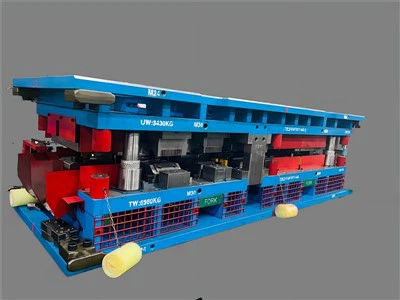
In the automotive industry, for example, corrosion resistance is of utmost importance. Custom Stamping Dies [1](Custom Stamping Dies) are often used in the manufacturing of automotive parts. These dies need to be highly resistant to corrosion to ensure the quality and longevity of the stamped parts.
Casting Progressive Die [2](Casting Progressive Die) is another important component in the automotive manufacturing process. By improving the corrosion resistance of these dies, we can reduce production costs and improve the overall efficiency of the manufacturing process.
Progressive Metal Stamping [3](Progressive Metal Stamping) is widely used in various industries, including automotive. Ensuring the corrosion resistance of the parts produced through this process is essential for their performance and durability.
Conclusion
Improving the corrosion resistance of CNC turning parts is a multi - faceted process that involves material selection, surface treatment, design considerations, and proper maintenance. By following these tips, you can significantly enhance the corrosion resistance of your parts, leading to longer service life, reduced maintenance costs, and improved performance.
If you're in the market for high - quality CNC turning parts with excellent corrosion resistance, I'd love to talk to you. Whether you have specific requirements or need advice on the best solutions for your application, feel free to reach out and start a procurement discussion. We're here to help you get the best parts for your needs.
References
- Custom Stamping Dies. /stamping-die/automotive-tooling/single-die.html
- Casting Progressive Die. /stamping-die/automotive-tooling/auto-lower-body-parts.html
- Progressive Metal Stamping. /stamping-die/automotive-tooling/progressive-metal-stamping.html