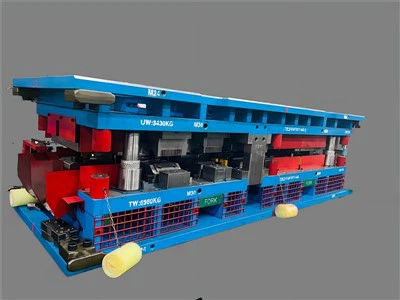
As a checking fixture supplier, I've encountered my fair share of fixture failures. It's always a headache when a fixture isn't performing as it should, but conducting a root-cause analysis can help us get to the bottom of the problem and find a solution. In this blog post, I'll share my experience and some tips on how to conduct a root-cause analysis for checking fixture failures.
Step 1: Define the Problem
The first step in any root-cause analysis is to clearly define the problem. What's wrong with the checking fixture? Is it giving inaccurate measurements? Is it not holding the part properly? Is it making strange noises? The more specific you can be about the problem, the easier it will be to find the root cause.
For example, let's say you receive a complaint from a customer that the Auto Checking Fixture they purchased is giving inconsistent measurements. This is a clear problem statement that you can work with.
Step 2: Gather Data
Once you've defined the problem, it's time to gather data. This can include things like inspection reports, maintenance records, operator feedback, and any other relevant information. The goal is to get a complete picture of the fixture's performance and any factors that may have contributed to the failure.
In our example, you might gather inspection reports from the customer to see what types of inconsistencies they're experiencing. You could also talk to the operators who are using the fixture to see if they've noticed any issues during normal use.
Step 3: Identify Possible Causes
With the data in hand, it's time to start identifying possible causes of the problem. This is where your experience and knowledge of checking fixtures come in handy. You can use tools like fishbone diagrams or 5 Whys analysis to help you brainstorm possible causes.
For our inconsistent measurement problem, some possible causes could include:
- Worn or damaged components: Over time, the components of a checking fixture can wear out or become damaged, which can affect its accuracy.
- Improper calibration: If the fixture hasn't been calibrated correctly, it may give inaccurate measurements.
- Operator error: Sometimes, the problem isn't with the fixture itself, but with how it's being used. Operators may not be following the correct procedures or may be making mistakes.
- Environmental factors: Things like temperature, humidity, and vibration can all affect the performance of a checking fixture.
Step 4: Test the Possible Causes
Once you've identified the possible causes, it's time to test them. This can involve things like replacing worn components, recalibrating the fixture, or training the operators. The goal is to see if making a change will solve the problem.
In our example, you might start by inspecting the fixture for worn or damaged components. If you find any, you can replace them and see if the measurements become more consistent. You could also recalibrate the fixture to see if that improves its accuracy.
Step 5: Determine the Root Cause
After testing the possible causes, you should be able to determine the root cause of the problem. This is the underlying issue that's causing the fixture to fail. It may not always be obvious, but by following the steps above, you should be able to narrow it down.
In our example, let's say that after inspecting the fixture and recalibrating it, the measurements are still inconsistent. However, after talking to the operators, you discover that they've been using a different type of part than the fixture was designed for. This is the root cause of the problem - the fixture isn't compatible with the part being used.
Step 6: Implement a Solution
Once you've determined the root cause, it's time to implement a solution. This could involve things like modifying the fixture, training the operators, or changing the part being used. The goal is to prevent the problem from happening again in the future.
In our example, you could work with the customer to modify the fixture to be compatible with the part they're using. You could also provide training to the operators on how to use the fixture correctly with the new part.
Step 7: Monitor the Results
After implementing the solution, it's important to monitor the results. This can involve things like conducting follow-up inspections, collecting feedback from the operators, and analyzing the data to see if the problem has been resolved.
In our example, you could schedule a follow-up inspection with the customer a few weeks after the fixture has been modified. You could also collect feedback from the operators to see if they're still experiencing any issues. If the problem has been resolved, you can consider the root-cause analysis a success.


Conclusion
Conducting a root-cause analysis for checking fixture failures can be a complex process, but it's essential for ensuring the quality and reliability of your products. By following the steps outlined in this blog post, you can identify the root cause of the problem and implement a solution that will prevent it from happening again in the future.
If you're experiencing problems with your Jig Checking Fixture or Automotive Checking Fixture, don't hesitate to reach out to us. As a checking fixture supplier, we have the experience and expertise to help you conduct a root-cause analysis and find a solution. Contact us today to learn more about our products and services.
References
- "Root Cause Analysis: Simplified Tools and Techniques" by Bjørn Andersen and Tom Fagerhaug
- "The Toyota Way: 14 Management Principles from the World's Greatest Manufacturer" by Jeffrey K. Liker