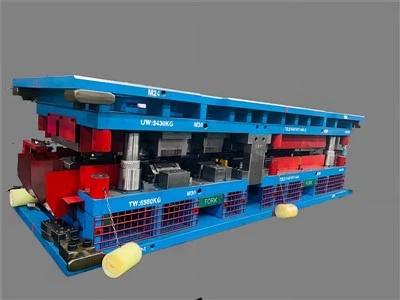
Adjusting the transfer force in a transfer die is a critical process in the stamping industry. As a transfer die supplier, we have encountered various challenges and developed effective strategies to ensure optimal transfer force adjustment. In this blog, we will explore the key aspects of how to adjust the transfer force in a transfer die.
Understanding the Role of Transfer Force
Transfer force plays a vital role in the operation of a transfer die. It is responsible for moving the stamped parts between different stations accurately and efficiently. If the transfer force is too low, the parts may not be transferred properly, leading to misalignment, jams, and even damaged dies. On the other hand, if the transfer force is too high, it can cause excessive wear on the transfer components, increase energy consumption, and potentially damage the parts themselves.
Factors Affecting Transfer Force
1. Part Geometry
The shape and size of the stamped parts have a significant impact on the transfer force. Complex geometries with sharp corners, deep draws, or irregular shapes may require higher transfer forces to ensure smooth movement through the die. For example, a part with a large surface area or multiple bends may face more resistance during transfer, necessitating an adjustment of the transfer force.
2. Material Properties
The type of material being stamped also affects the transfer force. Different materials have varying levels of friction, ductility, and hardness. For instance, softer materials like aluminum may require less transfer force compared to harder materials such as stainless steel. The thickness of the material is another factor; thicker materials generally need higher transfer forces to be transferred effectively.
3. Die Design and Condition
The design of the transfer die, including the layout of the transfer system, the shape of the transfer fingers or grippers, and the clearance between the die components, can influence the transfer force. A poorly designed die may cause unnecessary resistance during transfer. Additionally, the condition of the die, such as wear and tear on the transfer surfaces or misalignment of the transfer components, can also affect the transfer force.
4. Machine Parameters
The operating parameters of the stamping machine, such as the speed, stroke, and acceleration, can impact the transfer force. Higher machine speeds may require higher transfer forces to keep up with the rapid movement of the parts. Similarly, a larger stroke or more rapid acceleration can also increase the demand for transfer force.
Methods for Adjusting Transfer Force
1. Adjusting the Transfer Mechanism
One of the most direct ways to adjust the transfer force is by modifying the transfer mechanism. This can involve changing the spring tension in the transfer fingers or grippers. Increasing the spring tension will increase the gripping force, thus increasing the transfer force. However, it is important to ensure that the increased tension does not cause damage to the parts. Another option is to adjust the air pressure in pneumatic transfer systems. Increasing the air pressure will result in greater force being applied during transfer.
2. Lubrication
Proper lubrication of the transfer components can significantly reduce friction and, therefore, the required transfer force. Lubricants can be applied to the transfer fingers, grippers, and other contact surfaces. Different types of lubricants are available, and the choice depends on the material of the parts and the operating conditions. For example, dry film lubricants may be suitable for high - speed applications where there is a risk of lubricant splash, while oil - based lubricants may provide better long - term lubrication for low - speed operations.
3. Die Modification
If the die design is causing excessive resistance during transfer, modifying the die may be necessary. This can include re - shaping the transfer channels to reduce friction, improving the alignment of the transfer components, or increasing the clearance between the die and the parts. However, die modification should be carried out carefully, as any changes to the die can affect the quality of the stamped parts.
4. Machine Parameter Adjustment
Adjusting the machine parameters can also help in optimizing the transfer force. Reducing the machine speed can lower the demand for transfer force, especially when dealing with complex or delicate parts. Additionally, adjusting the stroke and acceleration of the machine can be used to fine - tune the transfer process. For example, a slower acceleration can reduce the impact on the parts during transfer, allowing for a lower transfer force.
Monitoring and Testing
Once the transfer force has been adjusted, it is essential to monitor and test the transfer process to ensure that the adjustment is effective. This can be done through visual inspection of the transferred parts for any signs of misalignment or damage. Additionally, force sensors can be installed in the transfer system to measure the actual transfer force. By comparing the measured force with the desired force, further adjustments can be made if necessary. Regular maintenance and inspection of the transfer die and the stamping machine are also crucial to ensure consistent transfer force performance.
Our Expertise as a Transfer Die Supplier
As a transfer die supplier, we have extensive experience in dealing with various transfer force adjustment issues. Our team of engineers and technicians is well - versed in the latest technologies and techniques for optimizing transfer force. We offer customized transfer die solutions tailored to the specific requirements of our customers. Whether it is a simple adjustment of the transfer mechanism or a complete die modification, we have the expertise to ensure that the transfer force is set at the optimal level.
We also provide high - quality Sheet Metal Progressive Tool, Sheet Metal Stamping Dies, and Automotive Progressive Die that are designed to work efficiently with the transfer force adjustment. Our products are manufactured using the latest materials and manufacturing processes, ensuring durability and reliability.
Contact Us for Your Transfer Die Needs
If you are looking for a reliable transfer die supplier or need assistance with adjusting the transfer force in your transfer die, we are here to help. Our team of experts is ready to discuss your specific requirements and provide you with the best solutions. Contact us today to start a conversation about how we can meet your transfer die needs and improve your stamping process.


References
- Smith, J. (2018). Stamping Die Design and Manufacturing. Industrial Press.
- Johnson, R. (2019). Advanced Transfer Die Technology. Stamping Journal.