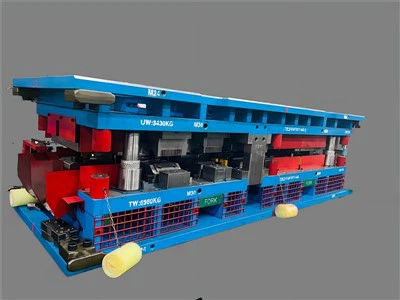
As a supplier of Gas Stove Die, I've encountered numerous inquiries from customers regarding the malfunction of gas stoves. One common question that often arises is whether a problem with the gas pressure regulator can cause a gas stove to stop working. In this blog, I'll delve into this issue, exploring the relationship between the gas pressure regulator and the performance of gas stoves.

Understanding the Gas Pressure Regulator
The gas pressure regulator is a crucial component in a gas stove system. Its primary function is to control the flow and pressure of gas from the supply line to the burner. By maintaining a consistent and appropriate gas pressure, the regulator ensures that the burner can produce a stable and efficient flame.
In a typical gas stove setup, the gas pressure regulator is connected to the gas supply line, usually through a flexible hose. As the gas enters the regulator, it passes through a series of valves and diaphragms. These components work together to adjust the pressure of the gas based on the demand of the burner. When the burner is ignited, the regulator allows gas to flow at a controlled rate, ensuring that the flame is neither too large nor too small.
How a Faulty Gas Pressure Regulator Can Affect a Gas Stove
A malfunctioning gas pressure regulator can have a significant impact on the performance of a gas stove. Here are some ways in which a faulty regulator can cause a gas stove to stop working:
Insufficient Gas Pressure
One of the most common problems with a gas pressure regulator is insufficient gas pressure. This can occur due to a variety of reasons, such as a clogged regulator, a worn-out diaphragm, or a problem with the gas supply line. When the gas pressure is too low, the burner may not receive enough gas to produce a stable flame. As a result, the flame may flicker, go out, or fail to ignite at all.
Excessive Gas Pressure
On the other hand, excessive gas pressure can also cause problems. If the regulator fails to control the gas pressure properly, too much gas may flow to the burner. This can lead to a large, unstable flame that can be dangerous and may cause the burner to overheat. In some cases, the excessive gas pressure can even cause the gas stove to explode.
Inconsistent Gas Pressure
In addition to too little or too much gas pressure, a faulty regulator can also cause inconsistent gas pressure. This means that the gas pressure may fluctuate unexpectedly, causing the flame to vary in size and intensity. Inconsistent gas pressure can make it difficult to control the temperature of the burner, which can affect the cooking performance of the gas stove.
Signs of a Faulty Gas Pressure Regulator
If you suspect that your gas stove is experiencing problems due to a faulty gas pressure regulator, there are several signs that you can look for. These include:
Difficulty Igniting the Burner
If the burner is difficult to ignite or fails to ignite at all, it may be a sign of a problem with the gas pressure regulator. Insufficient gas pressure can prevent the burner from receiving enough gas to start the combustion process.
Flickering or Unstable Flame
A flickering or unstable flame is another common sign of a faulty gas pressure regulator. This can occur when the gas pressure is inconsistent or too low. The flame may appear to dance or sputter, and it may not stay lit for long.
Poor Cooking Performance
If you notice that your gas stove is not cooking food evenly or is taking longer than usual to cook, it could be due to a problem with the gas pressure regulator. Inconsistent gas pressure can make it difficult to control the temperature of the burner, which can affect the cooking performance of the gas stove.
Gas Leaks
A faulty gas pressure regulator can also cause gas leaks. If you smell gas or notice a hissing sound near the gas stove, it is important to turn off the gas supply immediately and contact a professional technician. Gas leaks can be extremely dangerous and can pose a fire or explosion hazard.
Solutions for a Faulty Gas Pressure Regulator
If you suspect that your gas stove is experiencing problems due to a faulty gas pressure regulator, it is important to take action immediately. Here are some solutions that you can try:
Check the Gas Supply
The first step is to check the gas supply to the stove. Make sure that the gas valve is fully open and that there are no kinks or blockages in the gas line. If you are using a propane tank, check the level of the propane and make sure that the tank is properly connected.
Clean or Replace the Regulator
If the gas supply is normal, the next step is to clean or replace the gas pressure regulator. Over time, the regulator can become clogged with dirt, debris, or rust, which can affect its performance. You can try cleaning the regulator using a soft brush or compressed air. If the regulator is damaged or worn out, it may need to be replaced.
Call a Professional Technician
If you are not comfortable working with gas appliances or if you are unable to solve the problem on your own, it is recommended to call a professional technician. A qualified technician can diagnose the problem, replace the faulty parts, and ensure that the gas stove is safe to use.
Our Role as a Gas Stove Die Supplier
As a supplier of Gas Stove Die, we understand the importance of high-quality components in the manufacturing of gas stoves. Our Gas Stove Dies are designed to produce precise and durable parts that meet the strictest industry standards.
We use advanced manufacturing techniques and high-quality materials to ensure that our dies are reliable and long-lasting. Our team of experienced engineers and technicians works closely with our customers to understand their specific requirements and provide customized solutions.
In addition to Gas Stove Dies, we also offer a wide range of other home appliance dies, including Microwave Oven Die and Progressive Die Metal Stamping. Our products are used by leading home appliance manufacturers around the world, and we are committed to providing the best possible service and support to our customers.
Conclusion
In conclusion, a problem with the gas pressure regulator can indeed cause a gas stove to stop working. Insufficient gas pressure, excessive gas pressure, or inconsistent gas pressure can all lead to a variety of problems, including difficulty igniting the burner, flickering or unstable flame, poor cooking performance, and gas leaks.
If you suspect that your gas stove is experiencing problems due to a faulty gas pressure regulator, it is important to take action immediately. Check the gas supply, clean or replace the regulator, or call a professional technician.
As a Gas Stove Die supplier, we are dedicated to providing high-quality products and services to our customers. If you are in the market for Gas Stove Dies or other home appliance dies, we invite you to contact us to discuss your specific requirements. We look forward to working with you to help you achieve your manufacturing goals.
References
- "Gas Appliance Troubleshooting Guide," U.S. Department of Energy
- "Understanding Gas Pressure Regulators," American Gas Association
- "Home Appliance Manufacturing Handbook," Wiley Blackwell