What is the wear resistance of deep draw parts?
As a supplier of deep draw parts, I've witnessed firsthand the critical role wear resistance plays in the performance and longevity of these components. Deep draw parts are used in a wide range of industries, from automotive to electronics, and their ability to withstand wear and tear is essential for ensuring the reliability of the end - products.
Understanding Deep Draw Parts
Deep drawing is a metal forming process in which a flat sheet metal blank is transformed into a three - dimensional part by drawing it into a die cavity using a punch. This process is capable of creating parts with complex shapes, such as cups, cylinders, and boxes. The deep draw parts produced through this method are known for their high strength - to - weight ratio and excellent dimensional accuracy.
Importance of Wear Resistance
Wear resistance is the ability of a material to resist damage caused by mechanical action, such as friction, abrasion, and erosion. In the context of deep draw parts, wear resistance is crucial for several reasons.
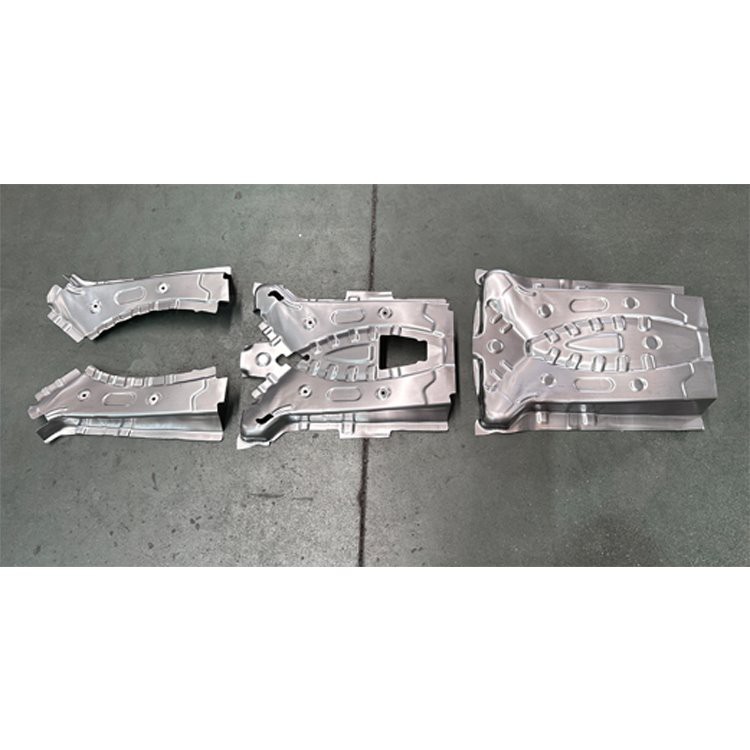

First, in many applications, deep draw parts are subject to continuous contact with other components. For example, in automotive engines, deep draw parts may come into contact with pistons, gears, or shafts. Without adequate wear resistance, these parts can wear out quickly, leading to increased friction, reduced efficiency, and even mechanical failure.
Second, wear resistance affects the lifespan of deep draw parts. Components with high wear resistance can last longer, reducing the need for frequent replacements. This not only saves costs but also minimizes downtime in industrial operations.
Factors Affecting Wear Resistance
Several factors influence the wear resistance of deep draw parts.
Material Selection
The choice of material is one of the most important factors. Different metals and alloys have different wear - resistant properties. For instance, stainless steel is known for its excellent corrosion and wear resistance, making it a popular choice for deep draw parts in harsh environments. Aluminum alloys, on the other hand, are lightweight and have good wear resistance, which is suitable for applications where weight reduction is a priority.
Surface Treatment
Surface treatment can significantly enhance the wear resistance of deep draw parts. Processes such as hardening, plating, and coating can create a protective layer on the surface of the parts. For example, nitriding is a heat - treatment process that can increase the surface hardness of steel parts, thereby improving their wear resistance. Electroplating with materials like chromium can also provide a smooth and hard surface that resists wear.
Design and Manufacturing Processes
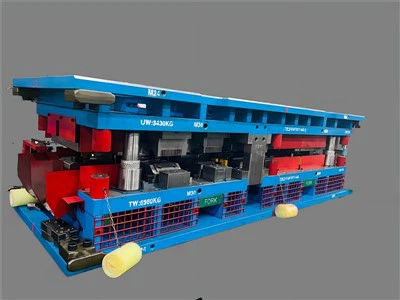
The design of deep draw parts can impact their wear resistance. Parts with proper fillets and radii can reduce stress concentrations, which helps to prevent premature wear. Additionally, the manufacturing processes used to produce deep draw parts can also affect their wear resistance. For example, Sheet Metal Progressive Tool Design can ensure high - precision forming, which results in parts with uniform thickness and better wear - resistant properties.
Measuring Wear Resistance
There are several methods to measure the wear resistance of deep draw parts.
One common method is the pin - on - disk test. In this test, a pin made of the test material is pressed against a rotating disk under a specific load. The amount of wear on the pin is measured after a certain number of rotations, and this data is used to evaluate the wear resistance of the material.
Another method is the abrasion test, which involves rubbing the test material against an abrasive surface. The weight loss or volume loss of the material is measured to determine its wear resistance.
Applications and Wear Resistance Requirements
The wear resistance requirements of deep draw parts vary depending on their applications.
Automotive Industry
In the automotive industry, deep draw parts are used in various components, such as engine blocks, transmission cases, and fuel tanks. These parts need to have high wear resistance to withstand the high - speed and high - pressure conditions in an engine. For example, deep draw parts used in the transmission system need to resist the wear caused by the constant meshing of gears. Sheet Metal Stamping Dies are often used in the production of automotive deep draw parts to ensure high - quality and wear - resistant components.
Electronics Industry
In the electronics industry, deep draw parts are used in enclosures, connectors, and heat sinks. While the wear conditions in the electronics industry are generally less severe than in the automotive industry, wear resistance is still important. For example, connectors need to maintain good electrical contact over time, and wear can affect their performance.
Aerospace Industry
The aerospace industry has extremely high requirements for the wear resistance of deep draw parts. Components used in aircraft engines, landing gear, and structural parts need to withstand extreme conditions, including high temperatures, high pressures, and high - speed airflow. Casting Progressive Die technology can be employed to produce high - precision and wear - resistant deep draw parts for aerospace applications.
Improving Wear Resistance in Our Deep Draw Parts
As a supplier of deep draw parts, we are committed to providing products with excellent wear resistance. We start by carefully selecting the right materials based on the specific requirements of our customers. Our R & D team continuously explores new materials and surface treatment techniques to improve the wear - resistant properties of our parts.
We also invest in advanced manufacturing equipment and processes. Our state - of - the - art Sheet Metal Progressive Tool Design ensures that our deep draw parts have consistent quality and excellent dimensional accuracy. In addition, we perform strict quality control measures, including wear testing, to ensure that our products meet or exceed the industry standards.
Conclusion
Wear resistance is a vital characteristic of deep draw parts. It affects the performance, lifespan, and reliability of these components in various industries. As a supplier, we understand the importance of wear resistance and are dedicated to providing high - quality deep draw parts that can meet the diverse needs of our customers.
If you are in need of deep draw parts with excellent wear resistance, we invite you to contact us for a detailed discussion on your requirements. We are ready to work with you to develop the best solutions for your applications.
References
- Callister, W. D., & Rethwisch, D. G. (2010). Materials Science and Engineering: An Introduction. Wiley.
- Dieter, G. E. (1986). Mechanical Metallurgy. McGraw - Hill.
- Kalpakjian, S., & Schmid, S. R. (2014). Manufacturing Engineering and Technology. Pearson.