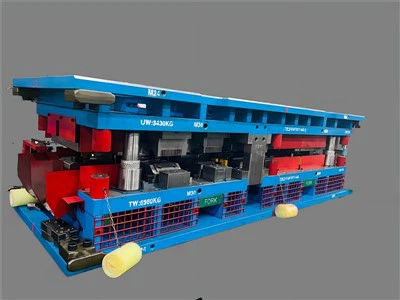
Hey there! As a supplier of Punch Riveting Dies, I've seen firsthand the importance of each component in these dies, especially the punch. So, let's dive right in and talk about what the role of the punch is in a punch riveting die.
The Basics of Punch Riveting Dies
Before we get into the role of the punch, let's quickly go over what a punch riveting die is. It's a tool used in the manufacturing process to join two or more pieces of metal together using rivets. The die consists of several parts, including the punch, die block, and stripper plate. Each part plays a crucial role in ensuring a successful riveting operation.
The Role of the Punch
1. Rivet Insertion
The primary role of the punch in a punch riveting die is to insert the rivet into the workpieces. The punch is designed to fit the specific size and shape of the rivet. When the press applies force, the punch pushes the rivet through pre - drilled holes in the metal sheets. This process requires precision because if the punch is not properly aligned or sized, the rivet may not be inserted correctly, leading to a weak joint.
For example, in the production of automotive parts, where high - strength joints are crucial, a well - designed punch ensures that the rivets are inserted accurately, providing a reliable connection between different components.
2. Deformation of the Rivet
Once the rivet is inserted, the punch continues to apply force to deform the end of the rivet. This deformation creates a head on the opposite side of the rivet, effectively locking the two metal sheets together. The shape and size of the punch tip determine the shape of the formed rivet head. A flat - tipped punch may create a flat rivet head, while a domed - tipped punch will result in a domed head.
In the case of Prototype Die, the punch can be customized to create different types of rivet heads according to the specific requirements of the prototype. This flexibility allows manufacturers to test different riveting designs before mass - production.
3. Force Transmission
The punch also acts as a medium for transmitting the force from the press to the rivet. The press generates a large amount of force, and the punch must be able to withstand this force without deforming or breaking. High - quality punches are made from materials like tool steel, which have high strength and hardness.
When using Progressive Sheet Metal Dies, the punch needs to be durable enough to perform multiple riveting operations in a continuous process. A strong punch ensures that the force is evenly distributed across the rivet, resulting in a consistent and reliable joint.
4. Alignment and Precision
Another important role of the punch is to maintain alignment during the riveting process. The punch is guided by the die block, which helps to keep it in the correct position relative to the rivet and the workpieces. This alignment is essential for creating a straight and centered rivet joint.

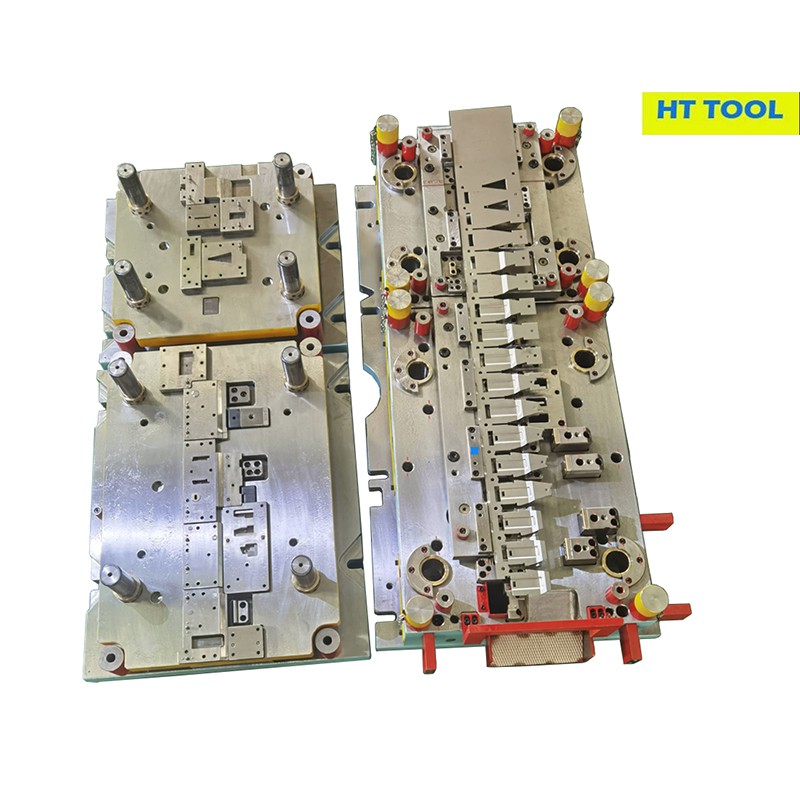
In the production of Furniture Hardware Stamping Die, precise alignment of the punch ensures that the rivets are placed exactly where they need to be, giving the furniture hardware a professional and high - quality appearance.
Factors Affecting the Punch's Performance
1. Material Selection
As mentioned earlier, the material of the punch is crucial. Different applications may require punches made from different materials. For example, in high - volume production, punches made from high - speed steel or carbide may be preferred because of their excellent wear resistance.
2. Design and Geometry
The design and geometry of the punch, such as its diameter, length, and tip shape, can significantly affect its performance. A punch with the wrong geometry may cause problems like rivet jamming or uneven deformation of the rivet head.
3. Surface Finish
A smooth surface finish on the punch reduces friction during the riveting process. This not only makes the riveting operation more efficient but also helps to prevent damage to the rivet and the workpieces.
Maintenance of the Punch
To ensure the long - term performance of the punch, proper maintenance is required. Regular cleaning and inspection can help to detect any signs of wear or damage early on. If the punch is worn, it may need to be re - sharpened or replaced.
Why Choose Our Punch Riveting Dies
As a supplier of Punch Riveting Dies, we offer high - quality punches that are designed to meet the specific needs of our customers. Our punches are made from top - grade materials and are precision - machined to ensure accurate riveting. We also provide customization services, so you can get a punch that is tailored to your unique requirements.
Whether you are working on a small - scale project or a large - scale production, our Punch Riveting Dies can help you achieve reliable and high - quality riveted joints. If you're interested in our products, don't hesitate to reach out to us for a quote or to discuss your specific needs. We're here to help you with all your punch riveting die requirements.
References
- "Metal Stamping Handbook" by John Doe
- "Riveting Technology and Applications" by Jane Smith