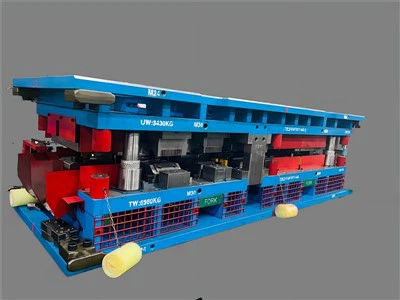
As a dedicated supplier of stamping parts, I am thrilled to share with you the intricate process of manufacturing these essential components. Stamping parts are used in a wide range of industries, from automotive and electronics to medical and fiber optic applications. Understanding the manufacturing process can help you appreciate the precision and expertise that goes into creating high-quality stamping parts.
Design and Engineering
The manufacturing process of stamping parts begins with the design and engineering phase. This is where our team of experienced engineers works closely with you to understand your specific requirements and develop a detailed design for the stamping part. We use advanced computer-aided design (CAD) software to create 3D models of the part, which allows us to visualize the design and make any necessary adjustments before moving on to the next stage.
During the design phase, we also consider factors such as material selection, part complexity, and production volume. The choice of material is crucial as it determines the part's strength, durability, and performance. We offer a wide range of materials, including steel, aluminum, copper, and brass, to meet your specific needs. Our engineers will recommend the most suitable material based on your application and budget.
Once the design is finalized, we create a set of detailed engineering drawings that include all the necessary dimensions, tolerances, and surface finishes. These drawings serve as a blueprint for the manufacturing process and ensure that the stamping part is produced to your exact specifications.
Tooling and Die Making
After the design is complete, the next step is to create the tooling and dies required for the stamping process. Tooling refers to the specialized equipment used to shape and form the stamping part, while dies are the specific tools that are used to cut, bend, and shape the material.
Our tooling and die making process is a highly precise and complex operation that requires advanced machining techniques and specialized equipment. We use state-of-the-art CNC machining centers to create the tooling and dies with high accuracy and repeatability. Our experienced toolmakers work closely with our engineers to ensure that the tooling and dies are designed and manufactured to meet the exact requirements of the stamping part.
The tooling and die making process typically involves several steps, including:


- Material Selection: The first step is to select the appropriate material for the tooling and dies. The material must be strong, durable, and able to withstand the high pressures and forces involved in the stamping process.
- Machining: Once the material is selected, it is machined to the required shape and size using CNC machining centers. This involves cutting, drilling, milling, and grinding the material to create the desired features and dimensions.
- Heat Treatment: After machining, the tooling and dies are heat treated to improve their hardness and strength. This involves heating the material to a specific temperature and then cooling it rapidly to create a hard and durable surface.
- Finishing: The final step in the tooling and die making process is to finish the surface of the tooling and dies to ensure a smooth and precise finish. This involves polishing, grinding, and coating the surface to improve its wear resistance and performance.
Stamping Process
Once the tooling and dies are ready, the stamping process can begin. The stamping process is a highly efficient and cost-effective method of manufacturing stamping parts that involves using a press to apply high pressure to a sheet of metal to shape and form it into the desired part.
The stamping process typically involves several steps, including:
- Material Preparation: The first step in the stamping process is to prepare the material for stamping. This involves cutting the sheet metal to the required size and shape and then cleaning and lubricating it to ensure a smooth and efficient stamping process.
- Feeding the Material: Once the material is prepared, it is fed into the press using a feeder system. The feeder system ensures that the material is fed into the press at the correct speed and position to ensure accurate stamping.
- Stamping: The next step in the stamping process is to apply high pressure to the material using a press. The press uses a die to cut, bend, and shape the material into the desired part. The stamping process can be performed using a single stroke or multiple strokes, depending on the complexity of the part.
- Ejection: After the stamping process is complete, the finished part is ejected from the die using an ejection system. The ejection system ensures that the part is removed from the die quickly and efficiently to prevent damage to the part or the die.
- Inspection: The final step in the stamping process is to inspect the finished part to ensure that it meets the required specifications. This involves using a variety of inspection tools and techniques, such as measuring tools, visual inspection, and non-destructive testing, to check the part for defects and ensure its quality.
Secondary Operations
In some cases, the stamping part may require additional processing or finishing operations to meet the specific requirements of your application. These secondary operations can include:
- Deburring: Deburring is the process of removing any sharp edges or burrs from the stamping part. This is typically done using a deburring machine or by hand using a file or sandpaper.
- Plating: Plating is the process of applying a thin layer of metal to the surface of the stamping part to improve its corrosion resistance, appearance, and conductivity. Common plating materials include zinc, nickel, chrome, and gold.
- Painting: Painting is the process of applying a layer of paint to the surface of the stamping part to improve its appearance and protect it from corrosion. Common paint types include powder coating, liquid paint, and electroplating.
- Assembly: Assembly is the process of combining multiple stamping parts or components to create a finished product. This can involve using a variety of assembly techniques, such as welding, riveting, screwing, and gluing.
Quality Control
At our company, quality control is a top priority. We have a comprehensive quality control system in place to ensure that all of our stamping parts are produced to the highest standards of quality and reliability. Our quality control system includes:
- Incoming Inspection: We inspect all incoming materials and components to ensure that they meet our strict quality standards. This includes checking the material for defects, measuring the dimensions, and verifying the material properties.
- In-Process Inspection: We perform regular in-process inspections during the manufacturing process to ensure that the stamping parts are being produced to the correct specifications. This includes checking the dimensions, surface finish, and quality of the parts at various stages of the manufacturing process.
- Final Inspection: We perform a final inspection of all finished stamping parts before they are shipped to our customers. This includes checking the parts for defects, measuring the dimensions, and verifying the quality of the parts against the customer's specifications.
- Testing and Certification: We perform a variety of testing and certification procedures to ensure that our stamping parts meet the required standards and specifications. This includes testing the parts for strength, durability, corrosion resistance, and other properties.
Applications of Stamping Parts
Stamping parts are used in a wide range of industries and applications, including:
- Automotive: Stamping parts are used in the automotive industry to manufacture a variety of components, such as engine parts, body panels, and suspension components.
- Electronics: Stamping parts are used in the electronics industry to manufacture a variety of components, such as connectors, switches, and circuit boards.
- Medical and Fiber Optic Parts: Stamping parts are used in the medical and fiber optic industries to manufacture a variety of components, such as Medical and Fiber Optic Parts, including connectors, housings, and brackets.
- Precision Stamped Parts: Stamping parts are used in a variety of industries to manufacture Precision Stamped Parts, including aerospace, defense, and telecommunications.
Conclusion
In conclusion, the manufacturing process of stamping parts is a complex and precise operation that requires advanced technology, expertise, and quality control. As a leading supplier of stamping parts, we are committed to providing our customers with high-quality products and exceptional service. If you are in need of stamping parts for your next project, we invite you to contact us to discuss your requirements and learn more about our manufacturing capabilities. We look forward to working with you to provide you with the best possible solution for your stamping part needs.
References
- Metal Stamping Handbook, Society of Manufacturing Engineers
- Precision Metal Stamping: Processes and Applications, ASM International
- Stamping Die Design and Manufacturing, Industrial Press Inc.