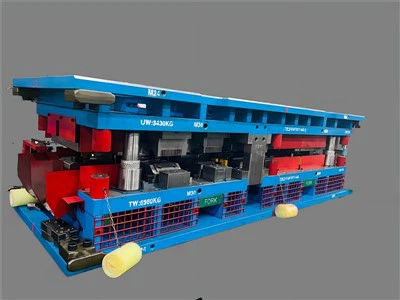
Hey there! I'm a supplier of Home Appliance Dies, and today I wanna chat about something super important – how the humidity level during storage can mess up a home appliance and eventually make it kick the bucket.
You know, when we store home appliances, we often don't give much thought to the humidity in the storage area. But trust me, it's a big deal. Humidity is basically the amount of water vapor in the air. And it can have some serious effects on our beloved home appliances.
Let's start with the most obvious problem – corrosion. When the humidity level is high, there's a lot of moisture in the air. This moisture can come into contact with the metal parts of home appliances. Metals, especially iron and steel, are prone to rusting when they react with water and oxygen in the air. For example, in a refrigerator, the metal pipes and brackets can start to rust. Rust not only looks ugly but also weakens the structure of the appliance. Over time, the rusted parts can break, and the whole appliance may stop working properly.
I've seen this happen with many appliances. Take a washing machine, for instance. The metal drum and the internal components can corrode due to high humidity. Once the drum starts to rust, it can affect the balance of the machine during the spin cycle. This can lead to excessive vibrations, which may damage other parts of the washing machine. And before you know it, your washing machine is out of commission.
Another issue caused by high humidity is the growth of mold and mildew. Mold loves damp environments. When the humidity level in the storage area is above 60%, it creates the perfect conditions for mold to grow. Mold can grow on the plastic, rubber, and fabric parts of home appliances. In a microwave oven, for example, mold can grow on the rubber gasket around the door. This not only affects the seal of the oven but also poses a health risk. Mold spores can be released into the air when you open the oven, and inhaling these spores can cause respiratory problems.


Mold can also damage the internal circuitry of appliances. It can grow on the circuit boards, which are the brains of the appliance. The mold can create a layer of insulation on the circuit board, which can disrupt the flow of electricity. This can cause malfunctions, such as the appliance not turning on or certain functions not working.
Now, let's talk about the electrical components. High humidity can cause electrical shorts. When moisture gets into the electrical connections of an appliance, it can create a conductive path for electricity. This can lead to short circuits, which can damage the electrical components. For example, in a TV, high humidity can cause the wires inside the set to short out. This can result in a loss of picture or sound, or even a complete failure of the TV.
On the other hand, low humidity can also be a problem. When the air is too dry, the plastic and rubber parts of appliances can become brittle. In a vacuum cleaner, the rubber hoses can crack due to low humidity. This can reduce the suction power of the vacuum cleaner and make it less effective at cleaning.
So, how can we prevent these problems? Well, the first thing is to control the humidity level in the storage area. You can use a dehumidifier to reduce the humidity if it's too high. A dehumidifier works by removing moisture from the air. On the other hand, if the humidity is too low, you can use a humidifier to add moisture to the air.
It's also important to store appliances in a well - ventilated area. Good ventilation helps to keep the air moving, which can prevent the buildup of moisture. You should also cover the appliances with a breathable cover to protect them from dust and moisture.
As a Home Appliance Die supplier, I understand the importance of ensuring that the appliances we use are in good condition. That's why we offer high - quality dies for various home appliances. We have Progressive Die Tooling, which is used to manufacture precise and complex parts for appliances. Our Gas Stove Die is designed to produce high - quality gas stove parts that can withstand different environmental conditions. And our Tandem Die is great for mass - producing parts efficiently.
If you're in the business of manufacturing home appliances or if you're just interested in learning more about how to keep your appliances in top shape, feel free to reach out. We're always here to help you with your home appliance die needs. Whether you need a custom - made die or just some advice on storage conditions, we've got you covered.
In conclusion, humidity levels during storage can have a huge impact on the lifespan of home appliances. High humidity can cause corrosion, mold growth, and electrical shorts, while low humidity can make parts brittle. By controlling the humidity and taking proper storage precautions, you can extend the life of your appliances. And if you're in the market for high - quality home appliance dies, don't hesitate to get in touch.
References
- "Home Appliance Maintenance Guide" by ABC Publishing
- "The Effects of Humidity on Electronics" by Science Journal of Appliance Technology