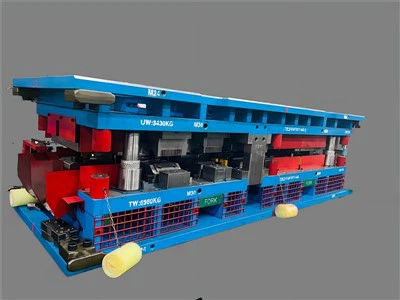
As a seasoned Tandem Die supplier, I've had the privilege of witnessing the evolution and significance of these tools in the manufacturing industry. One of the most frequently asked questions we encounter is about the power consumption of a tandem die. In this blog, I'll delve into the intricacies of tandem die power consumption, exploring the factors that influence it and how understanding this can benefit your manufacturing operations.
Understanding Tandem Dies
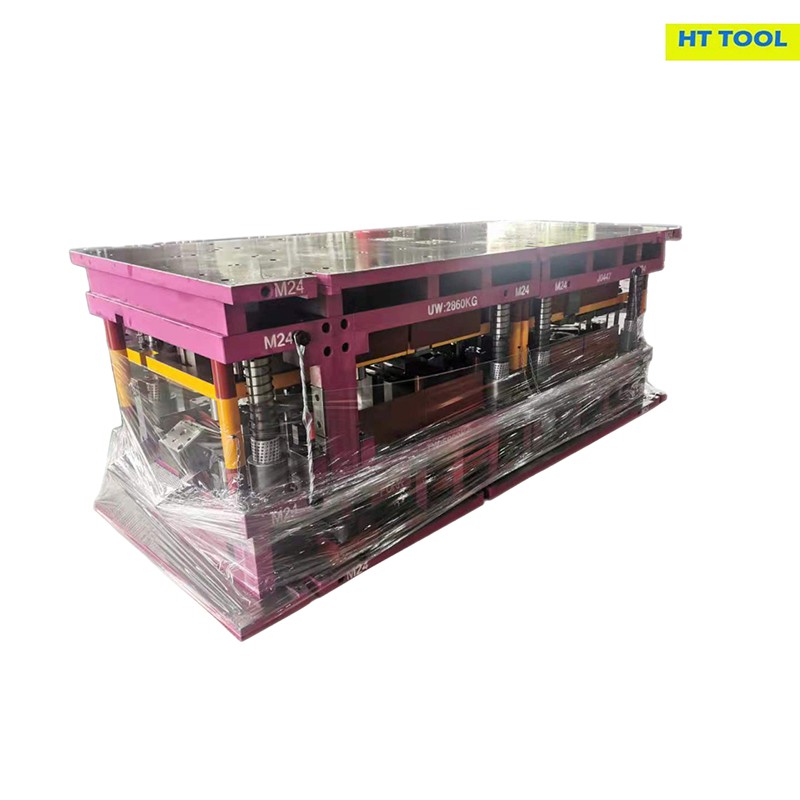
Before we dive into power consumption, let's briefly understand what tandem dies are. Tandem dies are a type of stamping die that consists of multiple stations arranged in a linear sequence. These dies are used in progressive die metal stamping processes, where a strip of metal is fed through the die, and each station performs a specific operation, such as cutting, bending, or forming. Tandem dies are highly efficient and can produce complex parts in a single pass, making them a popular choice for high-volume manufacturing. You can learn more about Progressive Die Metal Stamping and Progressive Die Tooling on our website.
Factors Affecting Power Consumption
The power consumption of a tandem die is influenced by several factors, each playing a crucial role in determining the overall energy requirements. Let's take a closer look at these factors:
1. Die Size and Complexity
The size and complexity of the tandem die have a direct impact on power consumption. Larger dies require more force to operate, which in turn demands more power. Similarly, dies with complex geometries or multiple operations require additional energy to perform each task accurately. For example, a tandem die used to produce a simple flat part will consume less power compared to a die used to manufacture a complex, multi-formed component.
2. Material Type and Thickness
The type and thickness of the material being stamped also affect power consumption. Harder materials, such as stainless steel or high-strength alloys, require more force to cut and form, resulting in higher power usage. Additionally, thicker materials demand greater energy to penetrate and shape. As a result, stamping operations involving thicker or harder materials will generally consume more power than those using thinner, softer metals.
3. Press Speed
The speed at which the stamping press operates is another significant factor in power consumption. Higher press speeds require more energy to accelerate and decelerate the moving parts, as well as to perform the stamping operations within a shorter time frame. While increasing press speed can improve productivity, it also leads to an increase in power consumption. Therefore, finding the optimal press speed that balances productivity and energy efficiency is crucial for minimizing power usage.
4. Lubrication and Maintenance
Proper lubrication and maintenance of the tandem die and stamping press are essential for reducing power consumption. Lubricants help to reduce friction between the die and the material, allowing for smoother operation and less energy loss. Regular maintenance, including die cleaning, inspection, and adjustment, ensures that the die is functioning at its best, minimizing the need for excessive force and reducing power requirements.
Measuring Power Consumption
To accurately assess the power consumption of a tandem die, it's important to use appropriate measuring tools and techniques. One common method is to install a power meter on the stamping press to monitor the electrical energy consumption during operation. This allows you to track the power usage over time and identify any trends or anomalies. Additionally, you can calculate the power consumption per part by dividing the total energy consumed by the number of parts produced. This metric provides valuable insights into the energy efficiency of the stamping process and can help you identify areas for improvement.

Strategies for Reducing Power Consumption
As a Tandem Die supplier, we understand the importance of energy efficiency in manufacturing. Here are some strategies that can help you reduce the power consumption of your tandem die operations:
1. Optimize Die Design
Work with a professional die designer to optimize the design of your tandem die. By reducing the size and complexity of the die, you can minimize the force required to operate it, resulting in lower power consumption. Additionally, using advanced die materials and coatings can improve the die's performance and reduce friction, further enhancing energy efficiency.
2. Select the Right Material
Choose the appropriate material for your stamping application based on its properties and requirements. Opt for thinner, softer materials whenever possible, as they require less energy to process. If you need to use harder or thicker materials, consider using alternative manufacturing processes or pre-treatment methods to reduce the power consumption during stamping.
3. Adjust Press Speed
Find the optimal press speed that balances productivity and energy efficiency. While increasing press speed can improve output, it also leads to higher power consumption. Experiment with different press speeds to determine the sweet spot where you can achieve the desired production rate while minimizing energy usage.
4. Implement Energy-Efficient Technologies
Invest in energy-efficient stamping presses and equipment. Modern presses are designed with advanced features, such as variable frequency drives and energy recovery systems, which can significantly reduce power consumption. Additionally, using servo presses can provide more precise control over the stamping process, resulting in improved energy efficiency.
5. Maintain Proper Lubrication and Maintenance
Ensure that your tandem die and stamping press are properly lubricated and maintained. Regularly clean and inspect the die to remove any debris or contaminants that could increase friction and power consumption. Follow the manufacturer's recommended maintenance schedule to keep the equipment in optimal condition and prevent costly breakdowns.
Conclusion
Understanding the power consumption of a tandem die is essential for optimizing your manufacturing operations and reducing energy costs. By considering the factors that influence power usage, measuring consumption accurately, and implementing energy-saving strategies, you can improve the efficiency of your stamping processes and enhance your bottom line. As a Tandem Die supplier, we are committed to providing our customers with high-quality dies and expert advice on energy-efficient manufacturing. If you have any questions or need assistance with your tandem die operations, please don't hesitate to contact us. We look forward to helping you achieve your manufacturing goals.
References
- "Stamping Die Design Handbook" by Peter Ulintz
- "Metal Forming: Processes and Applications" by G. E. Dieter
- "Energy Efficiency in Manufacturing" by the U.S. Department of Energy