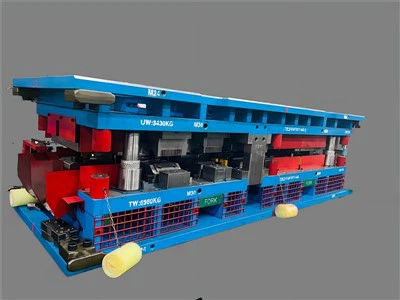
Automotive tooling plays a pivotal role in the automotive manufacturing industry. As a reliable automotive tooling supplier, I understand the importance of ensuring that these tools are in optimal condition. Over time, automotive tooling is subject to wear and tear, and there comes a point when replacement becomes necessary. In this blog, I will discuss the signs that indicate automotive tooling needs replacement.
1. Deterioration in Product Quality
One of the most obvious signs that automotive tooling may need replacement is a decline in the quality of the manufactured parts. When tooling starts to wear out, it can no longer produce parts with the same level of precision and accuracy as before. For instance, if you notice that the dimensions of the stamped or cast parts are deviating from the specified tolerances, it could be a sign of tooling wear. This can lead to issues such as poor fitment of parts during assembly, which can ultimately affect the performance and safety of the vehicle.
In progressive metal stamping, a process that involves a series of stamping operations performed in a single die Progressive Metal Stamping, worn tooling can cause burrs, cracks, or uneven surfaces on the stamped parts. These defects not only compromise the aesthetic appeal of the parts but also their structural integrity. Similarly, in transfer die operations Transfer Die, where parts are transferred between different stations in a die press, worn tooling can result in misalignment and inconsistent part quality.
2. Increased Maintenance Requirements
Another tell - tale sign that automotive tooling is nearing the end of its useful life is an increase in maintenance requirements. As tooling wears, it becomes more prone to breakdowns and malfunctions. You may find yourself having to perform more frequent repairs, such as replacing worn punches, dies, or other components. This not only increases the cost of maintenance but also leads to production downtime, which can have a significant impact on your bottom line.
For example, in a progressive casting die Progressive casting die, if the die cavities start to erode or if the gating system becomes clogged, it will require more frequent cleaning and repair. Moreover, if the tooling is constantly breaking down, it may be a sign that the overall structure of the tooling is weakening and that replacement is the only viable solution.
3. Excessive Noise and Vibration
During the operation of automotive tooling, any unusual noise or vibration can be a sign of trouble. Normal tooling operations should be relatively quiet and smooth. However, as tooling wears, it can start to produce loud noises or excessive vibrations. This can be due to loose components, worn bearings, or misaligned parts within the tooling.
Excessive noise and vibration not only indicate that the tooling is in poor condition but can also pose a safety risk to the operators. Additionally, the vibrations can cause further damage to the tooling and the surrounding equipment. If you notice that your stamping or casting machines are making more noise than usual or are vibrating excessively, it is advisable to inspect the tooling immediately and consider replacement if necessary.
4. Reduced Production Efficiency
Worn automotive tooling can have a significant impact on production efficiency. As the tooling becomes less effective, it may take longer to produce each part. This can lead to longer cycle times and lower production volumes. For example, in a stamping operation, if the tooling is not cutting or forming the parts properly, the press may need to make multiple attempts to complete the operation, which slows down the entire production process.
In addition, the need for more frequent maintenance and downtime due to tooling issues can further reduce production efficiency. If you find that your production line is not meeting its output targets or that the overall productivity has decreased, it could be a sign that the automotive tooling needs to be replaced.


5. Visual Inspection Findings
Regular visual inspections of automotive tooling can reveal a lot about its condition. Look for signs of physical damage such as cracks, chips, or excessive wear on the punches, dies, and other components. Corrosion can also be a major issue, especially in environments where the tooling is exposed to moisture or chemicals.
In transfer die tooling, check for signs of wear on the transfer fingers and the die surfaces. In progressive metal stamping, inspect the cutting edges of the punches and dies for dullness or chipping. If you notice any of these visual signs of damage or wear, it is a clear indication that the tooling may need replacement.
6. Cost - Benefit Analysis
Sometimes, it may be necessary to conduct a cost - benefit analysis to determine whether it is more cost - effective to replace the automotive tooling or to continue using it with repairs. Consider the cost of ongoing maintenance, the loss of production due to downtime, and the potential impact on product quality. If the cost of maintaining the old tooling is approaching or exceeding the cost of new tooling, then replacement is likely the better option.
Newer automotive tooling often comes with improved features and technologies that can increase production efficiency, reduce waste, and improve product quality. By investing in new tooling, you can also take advantage of the latest advancements in materials and manufacturing processes, which can give your business a competitive edge in the market.
Conclusion
As an automotive tooling supplier, I am well - aware of the importance of ensuring that your tooling is in top - notch condition. Recognizing the signs that automotive tooling needs replacement is crucial for maintaining high - quality production, maximizing efficiency, and minimizing costs. If you are experiencing any of the issues mentioned above, it may be time to consider replacing your automotive tooling.
At our company, we offer a wide range of high - quality automotive tooling solutions, including progressive metal stamping dies, transfer dies, and progressive casting dies. Our team of experts can help you select the right tooling for your specific needs and provide you with professional installation and after - sales support.
If you are interested in learning more about our automotive tooling products or would like to discuss your tooling requirements, please feel free to contact us. We are committed to helping you improve your production processes and achieve your business goals.
References
- Automotive Tooling Handbook, Industry Publication
- Research on the Lifecycle of Automotive Stamping Dies, Journal of Manufacturing Technology
- Best Practices in Automotive Casting Tooling Maintenance, Technical Report