A washing machine is an essential appliance in every household, and when it starts to malfunction, it can be a real headache. One of the common issues that can lead to a washing machine's untimely demise is a faulty heating element. As a supplier of washing machine parts, I've seen firsthand the signs that indicate a heating element is causing a washing machine to die. In this blog post, I'll share these signs with you, so you can take action before it's too late.
1. Inadequate Water Heating
The primary function of a washing machine's heating element is to heat the water to the desired temperature for an effective wash. If you notice that your clothes aren't coming out as clean as they used to, or if the water in the machine feels lukewarm instead of hot, it could be a sign that the heating element is failing.
Modern washing machines are designed to heat water to specific temperatures depending on the selected cycle. For example, a hot water cycle might require the water to reach 60°C (140°F) to kill bacteria and remove tough stains. If the heating element is not working properly, the water may not reach the required temperature, resulting in a less effective wash.
To check if the heating element is the culprit, you can perform a simple test. First, make sure the washing machine is unplugged and the water supply is turned off. Then, locate the heating element, which is usually at the bottom of the machine. Remove the access panel and visually inspect the element for any signs of damage, such as burns or breaks. If the element looks damaged, it will need to be replaced. You can also use a multimeter to test the element's resistance. If the resistance is significantly higher or lower than the manufacturer's specifications, the element is likely faulty.
2. Longer Wash Cycles
Another sign that a heating element is causing a washing machine to die is longer wash cycles. When the heating element is not working efficiently, the machine will take longer to heat the water to the desired temperature. This means that the entire wash cycle will be extended, and you'll have to wait longer for your clothes to be clean.
Longer wash cycles not only waste your time but also increase your energy consumption. The washing machine will continue to run for a longer period, using more electricity to heat the water. This can result in higher utility bills and unnecessary wear and tear on the machine.
If you notice that your wash cycles are taking longer than usual, it's important to have the heating element checked. A professional technician can diagnose the problem and determine if the element needs to be replaced. By replacing the faulty heating element, you can restore the machine's normal operation and reduce your energy costs.
3. Strange Noises
A malfunctioning heating element can also cause strange noises in the washing machine. When the element is heating up, it may make a popping or crackling sound. This is usually a sign that the element is starting to fail and should be replaced as soon as possible.
The popping or crackling sound is caused by the expansion and contraction of the heating element as it heats up and cools down. Over time, this can cause the element to become brittle and eventually break. If you hear these noises, it's important to stop using the washing machine immediately and have it inspected by a professional.
In some cases, the strange noises may be caused by other issues, such as a clogged water inlet valve or a faulty pump. However, if you've noticed other signs of a heating element problem, such as inadequate water heating or longer wash cycles, it's likely that the element is the root cause of the noise.
4. Tripped Circuit Breaker
If your washing machine keeps tripping the circuit breaker, it could be a sign that the heating element is causing a short circuit. A short circuit occurs when there is a fault in the electrical wiring, causing an excessive amount of current to flow through the circuit. This can overload the circuit breaker and cause it to trip.
When the heating element is faulty, it may develop a short circuit, which can be dangerous. If the short circuit is not addressed, it can lead to electrical fires or other safety hazards. Therefore, if your washing machine keeps tripping the circuit breaker, it's important to have it inspected by a qualified electrician.
The electrician will first check the heating element to see if it is the cause of the short circuit. If the element is faulty, it will need to be replaced. The electrician will also inspect the electrical wiring in the washing machine to make sure there are no other faults. By addressing the short circuit, you can prevent further damage to the washing machine and ensure your safety.
5. Error Codes
Many modern washing machines are equipped with error code systems that can help diagnose problems. If your washing machine displays an error code related to the heating element, it's a clear sign that there is an issue.
Error codes can vary depending on the make and model of the washing machine. Some common error codes related to the heating element include E1, E2, or F3. These codes indicate that the machine has detected a problem with the heating element, such as a high or low resistance.
To find out what the error code means, you can refer to the washing machine's user manual. The manual will provide a list of error codes and their corresponding solutions. If you're unable to resolve the problem on your own, it's best to contact a professional technician.
Why Choose Our Washing Machine Parts?
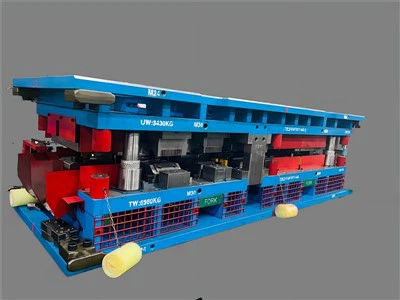
As a leading supplier of washing machine parts, we offer a wide range of high-quality products, including Tandem Die, Progressive Die Tooling, and Gas Stove Die. Our parts are designed to meet or exceed the manufacturer's specifications, ensuring a perfect fit and reliable performance.
We understand the importance of having a fully functional washing machine, and we're committed to providing our customers with the best possible products and services. Our team of experts is available to answer any questions you may have and to help you find the right parts for your washing machine. Whether you're a DIY enthusiast or a professional technician, we have the parts and expertise you need to get the job done right.


If you're experiencing any of the signs mentioned above and suspect that a heating element is causing your washing machine to die, don't hesitate to contact us. We can provide you with the replacement parts you need and offer guidance on how to install them. By choosing our washing machine parts, you can save money on costly repairs and keep your washing machine running smoothly for years to come.
Conclusion
A faulty heating element can cause a washing machine to die, resulting in inadequate water heating, longer wash cycles, strange noises, tripped circuit breakers, and error codes. If you notice any of these signs, it's important to take action before the problem worsens. By performing a simple inspection and test, you can determine if the heating element is the culprit and replace it if necessary.
As a supplier of washing machine parts, we're here to help you keep your washing machine in top condition. Our high-quality parts and expert advice can ensure that your machine continues to provide you with clean clothes for years to come. If you have any questions or need assistance with your washing machine, please don't hesitate to contact us. We look forward to helping you with your procurement needs and providing you with the best possible solutions for your washing machine problems.
References
- Manufacturer's manuals for various washing machine models
- Electrical safety guidelines for household appliances
- Industry standards for washing machine heating elements