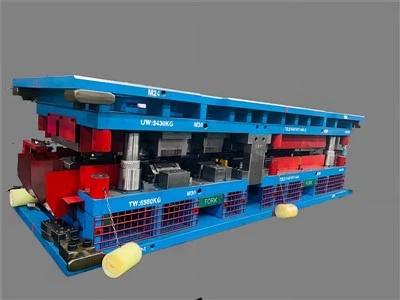
Hey there! I'm a supplier of turned parts, and today I wanna talk about the super important role of coolant in turning turned parts.
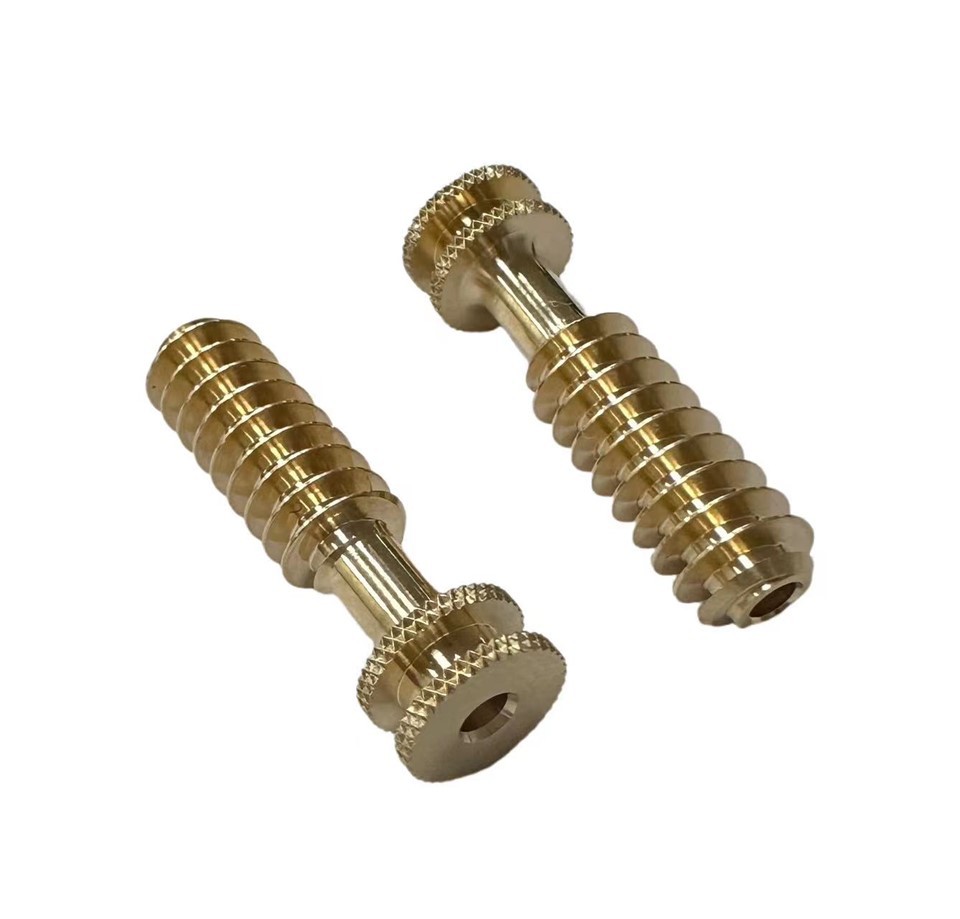
First off, let's get into what turning is. Turning is a machining process where a cutting tool, typically a non - rotating single - point cutting tool, is used to remove material from a rotating workpiece. It's a fundamental process in manufacturing all sorts of parts, from small Brass Parts to complex Self - clinching Flush Fasteners and CNC Precision Machined Parts.
Now, let's dive into the role of coolant. One of the primary functions of coolant in turning is cooling. During the turning process, a massive amount of heat is generated. The friction between the cutting tool and the workpiece, as well as the deformation of the material being cut, releases a ton of energy in the form of heat. If this heat isn't managed properly, it can cause some serious problems.
High temperatures can lead to the softening of the cutting tool. When a cutting tool gets too hot, its hardness decreases, and it starts to wear out much faster. This means that the tool will need to be replaced more frequently, which can add up to significant costs over time. Also, a worn - out tool won't cut as precisely, leading to parts that don't meet the required specifications. Coolant helps to carry away this heat, keeping the cutting tool at a more stable temperature and extending its lifespan.
In addition to cooling the tool, coolant also cools the workpiece. Excessive heat can cause the workpiece to expand. When the part expands during machining and then cools down, it can warp or distort. This is a big no - no, especially when we're talking about precision parts. By keeping the workpiece cool, coolant helps to maintain its dimensional stability, ensuring that the final part has the correct size and shape.
Another crucial role of coolant is lubrication. When the cutting tool comes into contact with the workpiece, there's a lot of friction. This friction not only generates heat but also makes it harder for the tool to cut through the material. Coolant acts as a lubricant, reducing the friction between the tool and the workpiece.
With less friction, the cutting process becomes smoother. The tool can move through the material more easily, which means less force is required to cut. This results in less wear on the tool and a better surface finish on the part. A smoother surface finish is often essential, especially for parts that need to fit together precisely or for those that will be used in applications where appearance matters.
Coolant also helps with chip removal. As the cutting tool cuts through the workpiece, chips are produced. These chips need to be removed from the cutting area quickly and efficiently. If the chips stay in the cutting area, they can interfere with the cutting process. They can get caught between the tool and the workpiece, causing the tool to break or creating scratches on the part's surface.

Coolant flushes these chips away from the cutting area. It can carry the chips out of the machine, preventing them from causing any damage. Some coolants are formulated in such a way that they can break up the chips into smaller pieces, making them even easier to remove.
There are different types of coolants available, and each has its own advantages. Water - based coolants are very popular because they're cost - effective and have good cooling properties. They can be mixed with additives to enhance their lubrication and anti - corrosion properties. Oil - based coolants, on the other hand, are great for lubrication. They provide a high level of lubrication, which is beneficial for difficult - to - machine materials.
When choosing a coolant, it's important to consider the material of the workpiece, the type of cutting operation, and the specific requirements of the part. For example, if we're machining a soft metal like aluminum, a water - based coolant might be sufficient. But if we're working with a hard and tough material like stainless steel, an oil - based coolant or a high - performance water - based coolant with special additives might be needed.
Maintaining the coolant is also crucial. Over time, coolant can become contaminated with chips, dirt, and bacteria. Contaminated coolant won't work as effectively, and it can even cause problems like corrosion on the machine and the parts. Regularly checking the coolant's concentration, pH level, and cleanliness is essential. We need to make sure that the coolant is changed at the right intervals and that the coolant system is kept clean.
In conclusion, coolant plays a vital role in the turning of turned parts. It's not just an optional extra; it's a necessary component of the machining process. Without coolant, we'd face a lot of problems, from shortened tool life to poor - quality parts. As a turned parts supplier, I've seen firsthand the difference that using the right coolant can make.
If you're in the market for high - quality turned parts, whether it's Brass Parts, Self - clinching Flush Fasteners, or CNC Precision Machined Parts, I'd love to talk to you. We use the best coolants and machining techniques to ensure that our parts meet the highest standards. Don't hesitate to reach out for a quote or to discuss your specific requirements. Let's work together to get you the perfect turned parts for your project.
References:
- "Machining Fundamentals" by an industry expert in machining technology.
- Various technical manuals from cutting tool and coolant manufacturers.