As a trusted supplier of Auto Seat Parts, I've witnessed firsthand the crucial role seat belts play in vehicle safety. Over time, seat belts can wear out due to various factors, compromising their ability to protect passengers effectively. In this blog, I'll share the signs of a worn - out seat belt, ensuring you can identify when it's time for a replacement.
1. Visual Inspection
Fraying and Abrasion
One of the most obvious signs of a worn - out seat belt is fraying or abrasion. When you look closely at the belt, if you notice that the fabric is starting to unravel, with threads coming loose, or if there are visible signs of wear on the surface, it's a red flag. Fraying often occurs at the edges of the belt or in areas where it rubs against other parts of the vehicle, such as the seat frame or the buckle. Abrasion can also be caused by sharp objects inside the car, like keys or tools that may have come into contact with the belt. A frayed or abraded seat belt is weakened, and it may not be able to withstand the forces exerted during a collision.
Discoloration
Discoloration of the seat belt can also indicate wear. If the belt has become significantly darker or lighter in color compared to its original state, it could be a sign of damage. Exposure to sunlight, heat, and chemicals can cause the color of the seat belt to fade or change. For example, if the car is parked in direct sunlight for long periods, the UV rays can break down the dyes in the fabric, leading to discoloration. Additionally, spills of substances like coffee, soda, or cleaning agents can stain the belt and cause it to look worn. Discoloration may not only affect the appearance of the seat belt but can also be a sign that the fabric's integrity has been compromised.
Cuts and Tears
Any cuts or tears in the seat belt are serious indicators of wear. Even a small cut can weaken the belt's strength and reduce its ability to hold a passenger in place during a crash. Cuts can be caused by sharp objects, such as broken glass or metal edges inside the vehicle. Tears may occur due to excessive force being applied to the belt, such as when a passenger tries to forcefully pull it out or when the belt gets caught on something. It's important to inspect the entire length of the seat belt for cuts and tears, including the areas near the buckle and the retractor.
2. Functionality Issues
Difficulty in Retraction
A properly functioning seat belt should retract smoothly into the retractor when not in use. If you notice that the seat belt is having trouble retracting, it could be a sign of wear. This could be due to a problem with the retractor mechanism itself, such as a jammed spring or a build - up of dirt and debris. Over time, the retractor may lose its ability to pull the belt back in efficiently. You may find that the belt only retracts partially or that it takes a long time to retract completely. In some cases, you may even have to manually help the belt retract. Difficulty in retraction is a serious issue as it can prevent the seat belt from being properly stored when not in use, increasing the risk of damage.


Loose or Stiff Buckle
The buckle is an essential part of the seat belt system. A loose buckle may not hold the belt securely in place, increasing the risk of the belt coming undone during a collision. You can test the tightness of the buckle by inserting the tongue and giving it a gentle tug. If the buckle feels loose or if it rattles when shaken, it may be worn. On the other hand, a stiff buckle can also be a problem. If it's difficult to insert or remove the tongue from the buckle, it could be due to wear and tear on the internal components. A stiff buckle may prevent the seat belt from being fastened properly, which is a major safety concern.
Inconsistent Locking
The seat belt should lock securely when the vehicle suddenly stops or during a collision. If you notice that the seat belt doesn't lock consistently, it's a sign of a problem. This could be due to a malfunction in the locking mechanism, which is usually located in the retractor. For example, you may find that the belt locks sometimes but not others, or it may lock too easily or not at all. Inconsistent locking can significantly reduce the effectiveness of the seat belt in protecting passengers.
3. Age - Related Wear
General Deterioration
Seat belts have a limited lifespan, even if they are not subjected to excessive wear and tear. Over time, the materials used in the seat belt, such as the fabric and the metal components, will naturally deteriorate. The fabric may become more brittle, and the metal parts may corrode. This general deterioration can weaken the seat belt's strength and performance. As a rule of thumb, it's recommended to replace seat belts every 10 years, even if they appear to be in good condition.
Manufacturer's Recommendations
It's important to follow the manufacturer's recommendations regarding seat belt replacement. Different vehicle manufacturers may have different guidelines based on the materials and design of their seat belts. Some manufacturers may recommend more frequent replacement, especially for high - performance or luxury vehicles. Checking the vehicle's owner's manual is the best way to find out the specific recommendations for your car.
Our Solutions as an Auto Seat Parts Supplier
At our company, we understand the importance of providing high - quality seat belts and related parts. We offer a wide range of seat belt components that are designed to meet or exceed industry standards. Our seat belts are made from durable materials that can withstand the rigors of daily use and provide reliable protection in case of a collision.
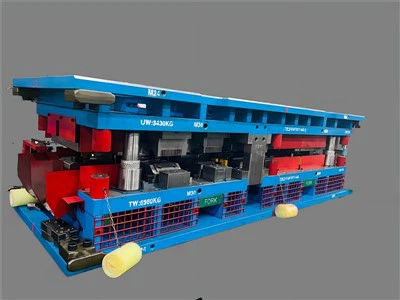
We also use advanced manufacturing techniques such as Progressive casting die and Sheet Metal Progressive Tool to ensure the precision and quality of our products. Our Sheet Metal Progressive Tool Design team works hard to create seat belt parts that fit perfectly into your vehicle's seat belt system.
If you notice any of the signs of a worn - out seat belt in your vehicle, don't hesitate to contact us. We can provide you with the right replacement parts and offer expert advice on installation. Our goal is to help you keep your vehicle safe and ensure that your seat belts are always in top - notch condition.
Conclusion
Identifying the signs of a worn - out seat belt is crucial for vehicle safety. By regularly inspecting your seat belts for visual damage, functionality issues, and age - related wear, you can ensure that they are in good working condition. As an Auto Seat Parts supplier, we are committed to providing you with the best products and services to keep your seat belts and your vehicle safe. If you have any questions or need to purchase seat belt parts, please feel free to reach out to us. We look forward to assisting you in your seat belt replacement needs.
References
- "Vehicle Seat Belt Safety Standards and Guidelines" - National Highway Traffic Safety Administration
- "Seat Belt Materials and Their Durability" - Journal of Automotive Engineering
- "How to Inspect and Maintain Your Seat Belt" - Auto Safety Magazine